

Key takeaways
- Ginjinha cups compared: edible dark and milk chocolate cups for the Óbidos serve, plus small ceramic and glass cups for the Lisbon style pour at home.
As an Amazon Associate, we earn from qualifying purchases made through links on this page. This helps support our work at no extra cost to you.
Introduction
Ginjinha, often shortened to ginja, is Portugal’s beloved sour cherry liqueur, poured in tiny servings and sipped rather than shot. How it reaches your lips depends on where you drink it. In the medieval town of Óbidos, the classic serve is a small cup moulded from dark chocolate: you sip the liqueur, then eat the cup. In Lisbon’s historic ginjinha bars, the same liqueur arrives in a small ceramic or glass cup, ordered com elas or sem elas, with a macerated cherry in the pour or without one. Both formats are part of the ritual, and both are what this guide covers.
One honest note before the picks. No seller on Amazon markets a cup under the ginjinha name, so there is no single product category to rank. Instead, this guide compares the two vessel styles Portuguese bars and festivals actually use: edible chocolate cups sized for a single small pour, and small reusable ceramic and glass cups in the same modest range. Every product below was chosen because its size, material, and intended use line up with one of those two serves, and every ASIN was verified against a real Amazon listing. Start with the chocolate cups for the full Óbidos experience, and look at the ceramic and glass sets if you pour ginjinha often.
How to Choose
Decide on the format first. Edible chocolate cups are a serving vessel and a bite of dessert in one, which makes them the most faithful recreation of the Óbidos serve. They are single use by design, so they suit parties, tastings, and gifts better than nightly pouring. Reusable ceramic and glass cups give up the edible finish but survive years of after-dinner rounds, and they are the closer match to the Lisbon bar tradition.
Match the capacity to the pour. A ginjinha serving is small, closer to a liqueur measure than to a full shot. Chocolate cups for liqueur typically hold about half a fluid ounce, which suits a neat pour with a cherry dropped in. Reusable cups in the two to three ounce range give you headroom for the cherry and its syrup without crowding the rim, and they double for other liqueurs, port, and digestifs.
Pick the chocolate style with the liqueur in mind. Dark chocolate, especially Belgian style dark chocolate with a firm snap, stands up to the liqueur’s tart, sweet intensity and keeps the pairing balanced. Milk chocolate cups are sweeter and milder, a gentler match that many people prefer when the liqueur is served well chilled. Either way, look for cups described as ready to fill or liqueur cups rather than baking shells, since wall thickness is what keeps a filled cup intact on the way to the table.
Think about storage and handling. Chocolate cups need a cool, dry cupboard away from sunlight, filled shortly before serving so the shell stays crisp. Ceramic cups are the low-effort option, usually microwave and dishwasher safe, while hand-blown glass sippers reward a gentler hand wash. Finally, count your guests: chocolate cups are sold in party-sized counts, while reusable sets usually come in fours, so frequent hosts may want two sets.
The 5 Best Ginjinha Cups
1. Astor Chocolate Liqueur Cups, 24 Dark Chocolate Ready to Fill Cups (ASIN: B08JMCCZYS)

- Specs: Dark chocolate liqueur cups; 24 cups supplied as 2 boxes of 12; ready-to-fill mini shells; Belgian chocolate making tradition; contains soy and may contain hazelnuts
These Astor cups are the closest match in this guide to the cup you are handed in Óbidos. They are moulded dark chocolate shells sold ready to fill, and the maker’s own serving direction captures the ritual: fill the cup with liqueur, sip the filling, then eat the shell. The dark chocolate format matters here, because ginjinha is intensely fruity and sweet, and a darker shell keeps the pairing from tipping into sugar on sugar. The pack count is party friendly: two boxes of twelve let you open one for a small tasting and keep the second sealed. Astor’s decades of Belgian style chocolate making show in a shell designed for liqueurs rather than adapted from a baking product. For a first attempt at the chocolate cup serve, this is the natural starting point.
Pros:
– True ready-to-fill liqueur cups, not repurposed baking shells
– Dark chocolate balances the sweetness of sour cherry liqueur
– Two separate boxes of twelve keep unopened cups fresher
Cons:
– Single use, so regular pouring gets through packs quickly
– Contains soy and may contain hazelnuts, which not every guest can eat
2. Lang’s Chocolates Dessert Cups, Milk Chocolate (ASIN: B0DCD6B8LG)

- Specs: Milk chocolate dessert cups; each cup holds about 1/2 fluid ounce and measures about 1 inch by 1 inch; gluten free; Kosher-Dairy; handcrafted in small batches; sold as a bulk case listing
Lang’s takes the same edible cup idea in a sweeter direction. These small milk chocolate cups are handcrafted and sized at roughly half a fluid ounce each, which is a neat single measure of ginjinha with room for the cherry. The maker lists them among cordial cups and toasting cups for liqueur, so the intended use matches this guide directly. Milk chocolate softens the tart edge of the liqueur, and the result tastes closer to a chocolate covered cherry, which is precisely the flavour the Óbidos serve is famous for. One caution: this listing is the maker’s bulk case option, so it suits someone planning a wedding, a festival night, or a season of dinner parties rather than a single quiet tasting. Bought in that spirit, it is an appealing way to keep the chocolate cup ritual stocked.
Pros:
– Half ounce capacity matches a traditional small pour
– Milk chocolate echoes the chocolate covered cherry character of ginjinha
– Gluten free and Kosher-Dairy, with small batch handcrafted production
Cons:
– Bulk case quantity is more than a casual buyer needs
– Milk chocolate is softer, so filled cups should be served promptly
3. ATLZBLTCI Cute Ceramic Double Espresso Shot Cups, Set of 4 (ASIN: B0FX46RRGT)

- Specs: Ceramic cups in brown; set of 4; 3 ounce capacity per cup; high temperature fired with a vertical stripe design; microwave safe and dishwasher safe; model HDKFB-1
For the Lisbon style serve, a small sturdy ceramic cup is the workhorse, and this ATLZBLTCI set fits that role well. Each cup holds three ounces, which gives a ginjinha pour room to breathe along with a cherry and a spoonful of its syrup, and the high temperature fired ceramic feels reassuringly solid in the hand. The brown glaze and vertical stripe design give the set a rustic, tavern like character that suits a traditional liqueur far better than a plain white espresso cup would. Because they are microwave and dishwasher safe, they slot into everyday use for espresso and other small drinks between ginjinha nights. They are sold as double espresso shot cups, so expect a coffee cup silhouette rather than a stemmed liqueur glass, but in size and spirit they land squarely in the small cup tradition.
Pros:
– Three ounce capacity leaves room for a cherry and syrup
– Durable high temperature fired ceramic for daily use
– Microwave and dishwasher safe for easy care
Cons:
– Espresso cup styling rather than a traditional liqueur shape
– Set of four may be small for larger gatherings
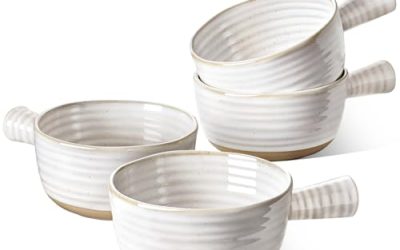
4. JAY’S WAREHOUSE Liberta Ceramic Espresso Cups, Set of 4, 3 oz (ASIN: B0CPC9XYZ5)

- Specs: Sateen glazed porcelain cups; set of 4; 3 ounce or 90 ml capacity per cup; four different designs in one set; lead free; microwave and dishwasher safe; model 2544; gift boxed
This Liberta set from JAY’S WAREHOUSE offers the reusable route with a little more ceremony. The four porcelain cups each carry a different design, so every guest at the table gets a distinguishable cup, a small detail that suits a liqueur served slowly and talked over. At three ounces the capacity is generous for ginjinha, so the pour can include the cherry without filling to the brim, and the sateen glaze gives the porcelain a soft, presentable sheen. The cups are lead free and both microwave and dishwasher safe, and the set arrives gift boxed, which makes it a thoughtful present for anyone who came home from Portugal with a bottle of ginja and nothing proper to serve it in. These are demitasse cups by trade, so the shape is familiar from coffee service, but the size and material are exactly what a small liqueur pour calls for.
Pros:
– Four different designs help guests tell their cups apart
– Sateen glazed porcelain presents beautifully at the table
– Gift boxed and lead free, with dishwasher safe care
Cons:
– Mixed designs will not suit buyers who want a matched set
– Porcelain needs more care in storage than heavier stoneware
5. Oenophilia Porto Sippers, Hand-Blown, Set of 4 (ASIN: B000N43OHY)

- Specs: Hand-blown glass sippers; set of 4; 2.75 ounce capacity; listed for port, dessert wine, and liqueurs; lead free; hand wash only; model 303210
The Porto Sipper is the connoisseur’s option, and it carries genuine Portuguese drinking heritage. This hand-blown glass vessel follows a design that dates back to seventeenth century Europe, where such pipe style sippers were known as Schnapps Pfeiffen. You sip through the short stem at the base, drawing the liqueur from the bottom of the bowl, which makes the cup a real talking point after dinner. Oenophilia lists the set for port, dessert wine, and liqueurs, and at 2.75 ounces the bowl holds a ginjinha pour and its cherry comfortably. For a liqueur as aromatic as ginja, the sipper format slows the drink down in a way that suits it, and the set of four covers a typical after-dinner group. The trade off is delicacy: hand-blown glass wants a hand wash and careful storage, so this is a set to bring out for occasions rather than leave in daily rotation.
Pros:
– Traditional sipper design with real Portuguese port heritage
– Listed specifically for liqueurs as well as port and dessert wine
– A memorable, conversation starting way to serve ginjinha
Cons:
– Hand wash only, and hand-blown glass is fragile
– The sipper style takes a moment for first time guests to learn
FAQs
What is a ginjinha cup?
A ginjinha cup is the small vessel used to serve ginjinha, the Portuguese sour cherry liqueur. In Óbidos it is traditionally an edible cup made of dark chocolate that you drink from and eat, while in Lisbon bars the liqueur is poured into small ceramic or glass cups, often with a macerated cherry in the serving.
How much ginjinha goes in one cup?
A traditional serve is small, closer to a liqueur measure than a full drink. Edible chocolate cups of about half a fluid ounce hold one neat pour, while reusable cups in the two to three ounce range hold the same pour with comfortable room for a cherry and its syrup on top.
Should I choose dark or milk chocolate cups for ginjinha?
Dark chocolate is the traditional Óbidos choice and balances the liqueur’s sweetness with a firmer, less sugary bite. Milk chocolate cups taste softer and sweeter, closer to a chocolate covered cherry. Both work, so let your guests and your own palate decide, and serve the liqueur well chilled either way.
Can I reuse edible chocolate cups?
No, an edible chocolate cup is a single serve vessel by design. Fill it shortly before serving so the shell stays crisp, sip the liqueur, and eat the cup. For regular pouring at home, keep a set of small ceramic or glass cups alongside, and save the chocolate cups for occasions.
Conclusion
Serving ginjinha well is mostly about honouring one of two traditions. For the Óbidos ritual, the Astor dark chocolate cups are the faithful pick, with the Lang’s milk chocolate cups as the sweeter, bulk friendly alternative. For the Lisbon bar style, the ATLZBLTCI ceramic cups bring rustic durability, the JAY’S WAREHOUSE Liberta set adds a giftable, guest friendly touch, and the Oenophilia Porto Sippers deliver the most characterful pour of all. Choose the format that matches how often you pour, and every bottle of ginja will have a cup worthy of it.
More from Amazon
Programs that pair well with the guide above. Offers and eligibility are set by Amazon and may change.
Collect the home and kitchen items you want in one registry that guests can shop from.
Create a wedding registrySet up recurring deliveries of everyday items on eligible products. Terms and savings are set by Amazon.
Explore Subscribe & SaveFree shipping on eligible items, Prime Video and more. Eligible new members can start with a free trial.
Start a Prime free trialAudiobooks and podcasts to listen to on the go. Eligible new members can start with a free trial.
Try Audible freeAs an Amazon Associate we earn from qualifying purchases.


Write Your Review
No reviews yet. Be the first to share your experience!