

Key takeaways
- Compare the best guinomi cups for sake, from Sado red clay and Tamba stoneware to pure tin and glass sets, with tips on size, material, and care.
As an Amazon Associate, we earn from qualifying purchases made through links on this page, at no extra cost to you.


The guinomi is the sake cup for people who actually want to drink, not just taste. Where the small ochoko holds a polite sip or two, a guinomi is deeper and more generous, usually holding a few unhurried mouthfuls at a time. The name comes from the sound of drinking in satisfying gulps, and the form follows that idea: a larger bowl, often with a small foot, a relaxed rim, and enough presence in the hand to feel like a personal cup rather than a tasting thimble. Many sake drinkers keep one favorite guinomi and reach for it every time, the way coffee drinkers keep a favorite mug.
Because guinomi are so personal, they are also where Japanese regional crafts show off. Kilns that have fired for centuries sell their own take on the form, tinsmiths cast theirs in pure metal, and glassmakers cut theirs to catch the light. The five picks below are all sold specifically as guinomi: a red clay pair from Sado Island, a hand-painted set from a small Osaka kiln, a pure tin cup from a traditional craft workshop, a stoneware cup from one of Japan’s six ancient kilns, and a five-color glass set for everyday pouring.
How to Choose Guinomi Cups
Size and shape
A typical guinomi holds roughly two to four ounces, about double a standard ochoko. That extra volume changes the rhythm of drinking: fewer refills, more aroma gathering above the surface, and a pour that stays closer to its serving temperature. If you drink mostly chilled premium sake in small sips, stay at the smaller end of the range. If you like a relaxed pour you can settle into, a deeper guinomi is the better fit.
Shape is the other half of the choice. Many guinomi have a small raised foot, which makes the cup easy to pick up with two fingers and gives it its classic profile. A flared rim feels gentle on the lip and opens up fragrance, while straighter walls feel sturdier and stack more easily. Rustic, uneven rims are part of the charm of handmade pieces, but check listing photos if you prefer a perfectly even lip.
Material
Earthenware and stoneware are the traditional guinomi materials, and each kiln’s clay gives a different feel. Lightly glazed clay has a fine grip and a warm, earthy character that suits junmai and warm sake. Porcelain is smoother and thinner, which many drinkers prefer for delicate chilled ginjo styles. Pure tin is the prestige option: it chills quickly and feels cool and heavy in the hand. Glass shows the color and clarity of the pour, though plain glass is not made for very hot liquid.
Singles, pairs, and sets
Guinomi are more often sold individually or in pairs than in large sets, because drinkers tend to choose them one at a time and build a small mixed collection. A matched pair suits couples, a set of four or five suits regular guests, and a single special cup makes a thoughtful gift. Buying handmade pieces one at a time also spreads the cost of the pricier kiln work.
Sourcing and care
Many authentic guinomi ship from Japan through Amazon’s Global Store, which means longer delivery times but access to genuine regional ware rarely found in US warehouses. Handmade clay and tin cups call for hand washing with a soft sponge, and tin should never meet a dishwasher or abrasive scrubber. Glass sets are the easy-care exception, though thin glass still deserves gentle handling.
The 5 Best Guinomi Cups
1. Mumyoi-yaki Sado Red Clay Guinomi Sake Cup, Set of 2 (ASIN: B0H63DSZSM)
- Specs: Set of 2 guinomi cups; mumyoi-yaki red clay earthenware; made on Sado Island, Niigata Prefecture; burnished iron-rich clay finish in red to bronze tones; sold through Amazon Japan Global Store.
Mumyoi-yaki is the flagship pottery of Sado Island, and its story starts underground: the red clay is dug near the island’s famous gold mines, and its high iron content fires to the deep red and bronze surface that makes these cups recognizable across a room. This set of two shows that character well, with a burnished finish that feels almost like polished stone in the hand.
The drinking experience matches the look. Dense earthenware holds the temperature of a warm pour longer than thin porcelain, and the surface gives your fingers natural grip. Expect small variations in tone between the two cups, which most buyers count as part of the appeal. This is the pick for drinkers who want a guinomi with a real sense of place behind it.
Pros:
– Distinctive red clay from a historic island kiln tradition
– Burnished surface feels smooth and substantial in the hand
– Sold as a pair, ready for two-person sake nights
– Dense earthenware suits warm and room-temperature pours
Cons:
– Ships internationally from Japan, so delivery takes longer
– Natural clay means color varies slightly between cups
– Hand washing recommended to protect the finish
2. Kosobe-yaki Hand-Painted Guinomi Sake Cup, Set of 4 (ASIN: B0H3TM13FX)
- Specs: Set of 4 guinomi cups; Kosobe-yaki ceramic; made in Takatsuki, Osaka Prefecture; hand-painted zodiac motif decoration; sold through Amazon Japan Global Store.
Kosobe-yaki comes from a small kiln village in Takatsuki, midway between Kyoto and Osaka, and it is one of the quieter names in Japanese pottery, known for refined painted ware rather than rustic wood-fired pieces. This set of four carries hand-painted zodiac motifs, giving each cup a distinct face and making the set feel collected rather than mass-produced.
A matched set of four is the practical sweet spot for home drinking: two couples, a small tasting with friends, or a rotation of cups across the week. The painted surface is smooth against the lip and shows chilled sake cleanly. If you want a guinomi set that reads as a proper gift, boxed Japanese kiln ware like this is hard to beat.
Pros:
– Set of four covers couples and small gatherings
– Hand-painted zodiac designs give every cup character
– Refined painted surface suits chilled premium sake
– Genuine small-kiln Japanese pottery with gift appeal
Cons:
– Ships internationally from Japan, so plan ahead for gifts
– Painted decoration calls for gentle hand washing
– Motifs may vary slightly from listing photos
3. Osaka Naniwa Suzuki Pure Tin Guinomi Sake Cup, Mt. Fuji (ASIN: B0C9G3SLVD)
- Specs: Single guinomi cup; 100 percent pure tin; hand-spun and lathe-finished; Osaka Naniwa Suzuki tinware, a designated national traditional craft since 1983; Mt. Fuji design with blue accent; sold by Amazon Japan.
Osaka Naniwa Suzuki has worked tin in Osaka for generations, and its craft was designated a national traditional craft in 1983. Tin is so soft and low-melting that nearly every step, from spinning the blank to shaving it on the lathe and mirror-polishing the surface, is done by hand. This guinomi carries a Mt. Fuji design with a blue accent, and it is the most luxurious object on this list.
Tin changes the drinking itself. Chill the cup in the refrigerator for a few minutes and chilled sake stays cold from first sip to last. The metal is dense and reassuring in the hand, and the polished rim feels unlike any ceramic. Tin is also famously gentle on sharp flavors, which is why it has been prized for sake ware since the Edo period. Buy it as a single personal cup for your best bottles.
Pros:
– Pure tin chills fast and keeps cold sake cold
– Handmade by a designated traditional craft workshop
– Polished rim and weight feel genuinely luxurious
– Mt. Fuji design makes it a standout gift
Cons:
– Sold as a single cup, so a set costs considerably more
– Tin is soft and can dent if dropped or knocked
– Never dishwasher safe; wash gently by hand
4. Tamba Tachikui-yaki Guinomi Sake Cup by Matsumoto Tsuyoshi (ASIN: B0GR49V9F5)
- Specs: Single guinomi cup; Tamba Tachikui-yaki stoneware; ash-glazed finish; made in Tamba-Sasayama, Hyogo Prefecture; work of potter Matsumoto Tsuyoshi; sold through Amazon Japan Global Store.
Tamba ware is one of the Six Ancient Kilns of Japan, with a firing history in the Tachikui village area stretching back centuries. Tamba guinomi are known for ash glazes that settle and run during firing, leaving each cup with natural streaks and color shifts no two pieces share. This cup by potter Matsumoto Tsuyoshi is a classic example: earthy, unforced, and clearly made by a human being.
This is the rustic counterweight to the polished tin cup above. The stoneware body has real heft, the ash glaze feels alive under your fingers, and the form suits warm sake and full-flavored junmai styles beautifully. Because the surface effects come from the kiln rather than a stencil, your cup will have its own patterning. Collectors of Japanese pottery often start with exactly this kind of piece.
Pros:
– From one of Japan’s six ancient kiln traditions
– Ash glaze gives every cup a one-of-a-kind surface
– Hefty stoneware feels grounded and satisfying to hold
– Pairs beautifully with warm and full-flavored sake
Cons:
– Single cup, so matching a pair exactly is unlikely
– Rustic finish will not suit fans of sleek tableware
– Ships internationally from Japan
5. GUINOMI Glass Sake Cup Set of 5 (ASIN: B07QSW95XZ)
- Specs: Set of 5 guinomi cups; glass construction in five colors; sold on Amazon US; glass is not heat-resistant or tempered, per the listing.
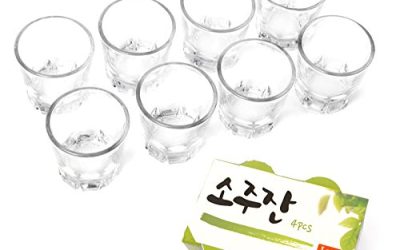
Not every guinomi needs a kiln pedigree. This set of five glass guinomi comes in five colors, so each drinker can claim a color and keep track of their cup all evening. The glass shows off the clarity and pale gold tones of chilled sake in a way opaque ceramic cannot, and cool glass suits summer drinking especially well.
The set format makes this the entertainer’s pick and the easiest entry point on the list, since it ships from a US listing rather than from Japan. The maker notes the glass is not heat-resistant or tempered, so pour warm rather than piping hot sake. For the price of one artisan cup, you get a full table’s worth of guinomi nobody will be afraid to use.
Pros:
– Five cups in five colors for easy guest tracking
– Glass shows the color and clarity of chilled sake
– Ships from a US listing for faster delivery
– Affordable way to serve a whole table
Cons:
– Listing showed no featured offers at last check, so availability varies
– Glass is not heat-resistant; avoid very hot pours
– Thinner and less substantial in the hand than clay or tin
FAQs
How is a guinomi different from an ochoko?
A guinomi is the larger of the two, typically holding about two to four ounces against the ochoko’s one to two. The ochoko suits slow sipping with frequent refills, while the guinomi gives a deeper, more relaxed pour with fewer trips back to the bottle. Many guinomi also have a small foot and a more handmade, personal character.
Can you serve warm sake in a guinomi?
Yes, and clay and stoneware guinomi are especially good for it, since thicker walls hold warmth longer than a thin ochoko. Tin works for warm sake too, though it shines with chilled pours. With glass guinomi, check the listing first: plain non-tempered glass should only take warm sake, never piping hot liquid.
How many guinomi cups should you buy?
Start with a pair if you usually drink with one other person, or a set of four to five if you host. Many enthusiasts keep a single favorite guinomi for solo drinking and add individual handmade cups over time. A mixed shelf of singles is completely traditional, so there is no need to match everything.
How should you wash handmade guinomi cups?
Hand wash with warm water, mild soap, and a soft sponge, then dry with a cloth. Tin cups should never go in the dishwasher or meet abrasive scrubbers, since the metal is soft and scratches easily. Clay and stoneware benefit from being fully dried before storage so no moisture lingers in the foot ring.
Conclusion
The right guinomi depends on how you drink. Choose the Mumyoi-yaki pair for burnished red clay character and warm pours for two. Pick the Kosobe-yaki set of four when you want painted kiln ware that covers guests and gifts. The Osaka Naniwa tin cup is the connoisseur’s single, cold to the lip and steeped in craft history, while the Tamba stoneware cup brings ancient-kiln rusticity to the table. And if you simply want a table full of colorful cups for chilled sake this weekend, the five-piece glass set does the job with the least fuss. Whichever you choose, a good guinomi turns an ordinary bottle into a small ritual worth repeating.
More from Amazon
Programs that pair well with the guide above. Offers and eligibility are set by Amazon and may change.
Collect the home and kitchen items you want in one registry that guests can shop from.
Create a wedding registrySet up recurring deliveries of everyday items on eligible products. Terms and savings are set by Amazon.
Explore Subscribe & SaveFree shipping on eligible items, Prime Video and more. Eligible new members can start with a free trial.
Start a Prime free trialAudiobooks and podcasts to listen to on the go. Eligible new members can start with a free trial.
Try Audible freeAs an Amazon Associate we earn from qualifying purchases.





Write Your Review
No reviews yet. Be the first to share your experience!