

Our Top Picks

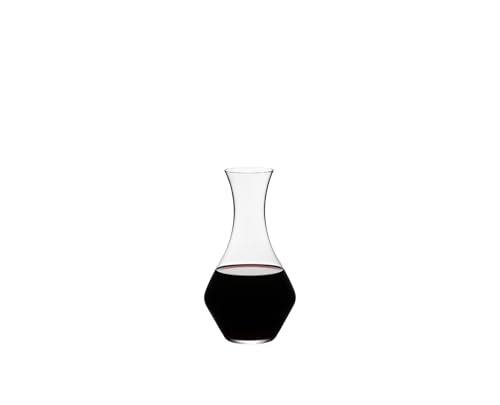
A good decanter does two jobs at once. It gives a young, tightly wound red wine the air contact it needs to soften its tannins and open up its aroma, and it lets an older bottle leave its sediment behind in the bottle instead of in the glass. For whiskey and other spirits, a decanter is less about chemistry and more about presentation and storage: a handsome vessel on the bar, a clean pour, and a stopper that keeps dust out between servings.
The catch is that decanters come in very different shapes, and the shape changes how the vessel behaves. A wide, flat base spreads wine into a thin layer for fast aeration. A swan or U-shaped body aerates mainly as the wine is poured in and out. A classic carafe with a stopper suits spirits that will sit for weeks. The five picks below cover each of those roles, in hand-blown and machine-made lead-free crystal.
As an Amazon Associate, we earn from qualifying purchases.
Quick answer
For most people, the Le Chateau Wine Decanter is the safest all-round pick, with a wide base and built-in aerator. The Riedel Cabernet Decanter suits traditionalists who want dishwasher-safe Austrian crystal. The YouYah Iceberg set adds a filter lid, drying stand, and cleaning beads. The YOXSUNY snail decanter brings a stopper and sculptural looks, while the Bella Vino is a roomy wide-bottom classic.
The best decanters in detail
Le Chateau Wine Decanter
The Le Chateau is the decanter that tends to anchor roundups of this category, and the design explains why. Its broad, low base gives a full bottle a wide surface to breathe across, while the elongated neck funnels wine over a built-in aerator spout as it is poured in, so aeration starts before the wine even settles. The slanted top is easy to aim a bottle at and helps the last drops leave the decanter instead of running down the outside.
It is hand-blown from lead-free crystal and sized for a standard bottle, which makes it a natural fit for cabernet, syrah, and other structured reds that drink better after half an hour of air. The glass is thin and light, so it should be handled with both hands when full and washed by hand.
Specs:
– Material: Hand-blown lead-free crystal glass
– Capacity: 750 ml, sized for one standard bottle
– Shape: Wide base with slanted top and elongated neck
– Extras: Built-in aerator spout in the neck
– Care: Hand wash recommended
Best for: Everyday red wine drinkers who want one versatile decanter for aerating and serving.
Riedel Cabernet Decanter
Riedel’s Cabernet decanter, article number 1440/13, is the machine-made workhorse of the Austrian maker’s range. The angular body holds a standard bottle with headroom to swirl, and the shape is designed to give young, firm reds a generous amount of air while still pouring cleanly from its flared lip. Because it is machine-made rather than mouth-blown, the walls are consistent and the piece is noticeably less delicate than hand-blown crystal.
That practicality extends to cleanup: Riedel rates this decanter as dishwasher safe, which is rare in this category and a genuine advantage for anyone who decants weekly rather than on special occasions. It is a plain, functional design without an aerator insert or stopper, aimed squarely at red wine service rather than spirits storage.
Specs:
– Material: Machine-made crystal glass
– Capacity: About 37 oz total, built around a 750 ml bottle
– Height: About 9 inches
– Model: 1440/13
– Care: Dishwasher safe per the maker
Best for: Cabernet and Bordeaux drinkers who want durable, low-fuss crystal from an established maker.
YouYah Iceberg Wine Decanter Set
The YouYah Iceberg set is built around convenience as much as shape. The hand-blown decanter has a distinctive punt in the base, shaped like an iceberg, which gives the wine extra surface contact and gives your fingers a secure grip when pouring. A stainless steel lid with a built-in aerator and filter sits on top, so wine is strained and aerated as it enters, catching cork fragments and coarse sediment before they reach the glass.
Capacity is the other headline: at 1400 ml, it can take a magnum or two standard bottles for a dinner party. The set also includes a drying stand and stainless steel cleaning beads, which solve the most common decanter complaints, since narrow-necked vessels are otherwise hard to dry and scrub.
Specs:
– Material: Hand-blown lead-free crystal glass
– Capacity: 1400 ml
– Shape: Wide body with iceberg-style punt base
– Extras: Aerator filter lid, drying stand, cleaning beads
– Care: Hand wash; beads and stand included for upkeep
Best for: Hosts who decant for groups and anyone who wants the cleaning kit included in the box.
YOXSUNY Wine Decanter
The YOXSUNY takes the sculptural route. Its snail shape curls the body into a spiral, so wine cascades along the glass as it is poured in and again as it is poured out, picking up air at both ends of the process. It is as much a table centerpiece as a tool, and it tends to start conversations that a plain carafe does not.
Unlike the open designs above, this one comes with a cork stopper, which makes it a reasonable short-term home for whiskey or an opened bottle that will be finished over a few days. A cleaning brush is included, which matters because the curled interior cannot be reached with a sponge. The trade-off for the shape is capacity and stability: pour slowly, and keep it away from the table edge.
Specs:
– Material: Hand-blown lead-free crystal glass
– Shape: Snail spiral design
– Extras: Cork stopper and cleaning brush included
– Use: Wine aeration and short-term spirits service
– Care: Hand wash with the included brush
Best for: Gift buyers and home bars that want a decorative decanter with a stopper for whiskey.
Bella Vino Wine Decanter
The Bella Vino is a classic wide-bottom carafe in the traditional mold: a broad, flat base that spreads a bottle into a shallow pool for maximum air contact, a tall neck, and an angled spout for a controlled pour. There is no aerator insert and no stopper, just a simple, well-proportioned vessel that does the standard decanting job without fuss.
The body is generously sized at 1600 ml, so a full bottle sits low in the base with plenty of exposed surface, and there is room to decant a magnum for a larger table. It is hand-blown from lead-free crystal and light for its size, which makes swirling easy but means it deserves the same careful handling as any thin crystal. A soft cleaning cloth is included for polishing the exterior.
Specs:
– Material: Hand-blown lead-free crystal glass
– Capacity: 1600 ml
– Shape: Classic wide-bottom carafe with angled spout
– Extras: Soft cleaning cloth included
– Care: Hand wash recommended
Best for: Traditionalists who want maximum surface aeration for full bottles and magnums.
How to choose the right decanter
Start with the shape. Wide-base decanters spread wine thin and aerate it while it sits, which suits young, tannic reds opened at the last minute. Swan, duck, and U-shaped decanters keep the wine in a narrower pool and do most of their work during the pour, as the wine runs along the curved glass; they look dramatic but are slower to clean and dry. For whiskey, shape barely matters for flavor, so choose on looks and on whether a stopper is included.
Match capacity to the bottle. A standard bottle is 750 ml, and the ideal decanter holds that volume well below its widest point, leaving the wine a broad surface and you room to swirl. Oversized vessels in the 1400 to 1800 ml range come into their own with magnums and double pours, but a single bottle spread across a very large base can over-aerate delicate, older wines, which are often better in a smaller carafe and poured soon after decanting.
Know the material difference. Lead-free crystal offers the clarity and ring of traditional crystal without lead, and most quality decanters now use it. Hand-blown pieces are thinner, lighter, and each slightly unique, but they are fragile and always hand wash. Machine-made crystal, like the Riedel above, is thicker, more consistent, and occasionally dishwasher safe.
Plan for cleaning before you buy. Narrow necks and curled shapes cannot be scrubbed by hand. Stainless steel cleaning beads, swirled with a little warm water, scour the inside without scratching, and a drying stand holds the vessel upside down so it dries without water spots. If a decanter does not include them, budget for both accessories, and rinse the vessel the same night it is used, before red wine stains set.
Check the stopper if spirits are the goal. Wine decanters are open because wine is meant to breathe and be finished the same day. Whiskey decanters need a snug glass or cork stopper to limit evaporation and keep dust out during weeks of storage. A stopper is a poor seal compared with the original bottle cap, though, so rare or expensive spirits are still best stored in their own bottles.
Who should skip a decanter
Skip the decanter if most of the wine you drink is light, young, and inexpensive: many everyday whites, rosés, and soft reds gain little from aeration and can be poured straight from the bottle. Anyone short on storage space may also pass, since wide-base and sculptural shapes are bulky and fragile. If the real goal is long-term spirits storage, a decanter is the wrong tool altogether; the original bottle with its tight seal protects whiskey better. And if hand washing delicate glass sounds like a chore that will not happen, a machine-made, dishwasher-safe model, or no decanter at all, is the honest choice.
FAQ
How long should red wine sit in a decanter?
Young, tannic reds such as cabernet sauvignon and syrah usually open up within 30 minutes to two hours. Older, fragile wines need only a short rest, mainly to separate them from their sediment, and should be poured soon after decanting so their aroma does not fade.
Can a decanter be used for white wine?
Yes, although most whites need only a brief aeration. A short stay in a smaller decanter can lift the aroma of a rich, oaky white, and a carafe also works well as a serving vessel for chilled wine at the table.
Does decanting whiskey change its flavor?
Very little. Whiskey does not develop in glass the way wine does, and a decanter’s role for spirits is presentation and portioning. Because no stopper seals perfectly, whiskey left in a decanter for many months can slowly lose aroma and strength to evaporation.
How do you clean stains from inside a decanter?
Rinse promptly with warm water, then add stainless steel cleaning beads with a little water and swirl gently so the beads scour the walls. Avoid soap residue, which can taint the next pour, and dry the vessel upside down on a stand to prevent spots.
Final verdict
Decanting is a small ritual with a real payoff for the right bottles, and the right vessel depends on what you pour most. The Le Chateau is the balanced default for red wine, the Riedel Cabernet is the durable, dishwasher-safe classic, and the YouYah Iceberg set removes the cleaning headaches that put people off decanting. The YOXSUNY snail and the Bella Vino cover the decorative and traditional ends of the table. Choose by shape and capacity first.
More from Amazon
Programs that pair well with the guide above. Offers and eligibility are set by Amazon and may change.
Collect the home and kitchen items you want in one registry that guests can shop from.
Create a wedding registrySet up recurring deliveries of everyday items on eligible products. Terms and savings are set by Amazon.
Explore Subscribe & SaveFree shipping on eligible items, Prime Video and more. Eligible new members can start with a free trial.
Start a Prime free trialAudiobooks and podcasts to listen to on the go. Eligible new members can start with a free trial.
Try Audible freeAs an Amazon Associate we earn from qualifying purchases.




Write Your Review
No reviews yet. Be the first to share your experience!