

Key takeaways
- Smoky: Choose Ritual when you want smoke and spice to survive in a mixed drink. Spiritless offers a gentler smoky-oak effect for sipping.
- Oaky: Spiritless is the most obvious choice for toasted barrel character. Gnista gives oak with more herbal bitterness.
- Spicy: Ritual has the biggest pepper and baking-spice impact. Use ice or dilution to make it more approachable.
- Sweet: Monday is the roundest and most vanilla-forward option. It suits drinkers who normally choose a sweeter bourbon.
- Dry and herbal: Gnista is the strongest fit when you prefer bitterness and complexity over caramel.
The best non alcoholic whiskey for sipping is Spiritless Kentucky 74 if you want the closest bourbon-style experience, while Ritual Whiskey Alternative is the better choice for bold cocktails and Monday Whiskey suits drinkers who prefer a softer, sweeter pour.
These bottles are not identical substitutes for whiskey: they contain no meaningful alcohol, and their flavor usually comes from tea, spices, botanicals, oak extracts, smoke, caramel, and other natural flavorings rather than whiskey distillation and barrel aging. The right pick depends on whether you value smoky oak, baking spice, sweetness, cocktail strength, or a short ingredient list.
Our top picks

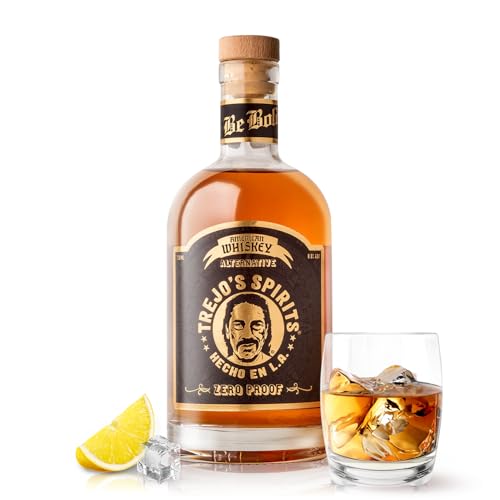
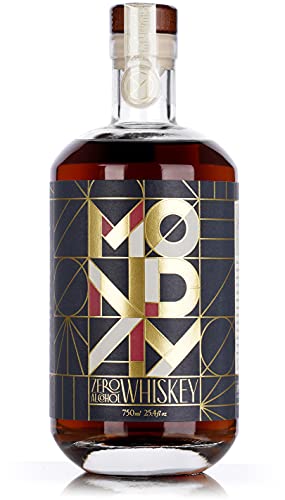

As an Amazon Associate we earn from qualifying purchases at no extra cost to you. Ratings are shown as listed on Amazon.
Best non-alcoholic whiskey alternatives at a glance
| Product | Flavor profile | Common bottle size | Alcohol | Sugar guidance | Best use |
|---|---|---|---|---|---|
| Spiritless Kentucky 74 | Oaky, peppery, lightly smoky | 750 mL | 0.0% ABV | Usually dry-tasting; check current label | Sipping over ice or in an Old Fashioned |
| Ritual Whiskey Alternative | Bold spice, vanilla, smoke, noticeable heat | 750 mL | 0.0% ABV | Typically low-sugar compared with whiskey-style mixers; check label | High-impact mixed drinks |
| Monday Whiskey | Sweet oak, caramel, vanilla, gentle spice | 750 mL | 0.0% ABV | Moderately sweet impression; verify the bottle’s nutrition panel | Easy sipping and whiskey highballs |
| Gnista Barreled Oak | Dry oak, herbal bitterness, fruit, spice | 500 mL | 0.0% ABV | Generally dry rather than syrupy; check current label | Complex, aperitif-style sipping |
Bottle sizes and formulas can vary by market, so treat the table as a buying guide rather than a substitute for the label. In particular, compare total sugars per serving, not just whether a product tastes sweet. Some alcohol-free spirits use fruit concentrates, syrups, or glycerin to add body; others taste sweet from vanilla, caramel, or spice without containing much sugar.
Our picks by drinking situation
Best overall for a bourbon-style pour: Spiritless Kentucky 74
Spiritless Kentucky 74 is the most natural starting point for someone replacing a neat bourbon or an Old Fashioned. Its profile leans into toasted oak, pepper, vanilla, and a restrained smoky note. It has enough bitterness and spice to avoid tasting like sweet tea, but it is not as aggressively hot as some cocktail-focused alternatives.
Serve 60 mL over a large ice cube with an orange peel. A few drops of water can soften the spice, although adding too much dilution may make the drink taste thin. It also works with a small amount of non-alcoholic bitters, provided the bitters themselves are alcohol-free if that matters to you.
Best for cocktails: Ritual Whiskey Alternative
Ritual is a strong choice when the drink contains citrus, ginger beer, cola, or several other ingredients. Its concentrated spice and smoky character are designed to remain noticeable after dilution. That makes it more convincing in a Manhattan-style drink, whiskey sour, or highball than a delicate, low-intensity alternative.
The trade-off is that Ritual can taste intense when served neat. If you find it medicinal or overly peppery, use 45 mL with 90 to 120 mL of a mixer rather than drinking it at full strength. It is particularly effective with lemon, ginger, and aromatic bitters.
Best for a sweeter, smoother sip: Monday Whiskey
Monday Whiskey is aimed at drinkers who like vanilla, caramel, and mellow oak more than char and pepper. Its softer profile makes it approachable for people new to alcohol-free spirits and useful in simple drinks such as whiskey and cola or a maple highball.
It is less suited to a very dry, spirit-forward Manhattan-style cocktail because its sweetness can become more apparent when paired with sweet vermouth. For a better balance, use dry vermouth, lemon, or a bitter mixer, and avoid adding syrup unless the recipe specifically needs it.
Best for a dry, sophisticated pour: Gnista Barreled Oak
Gnista Barreled Oak is worth considering if you do not want a whiskey alternative that imitates bourbon closely. It brings oak, herbal bitterness, dried fruit, and spice in a more aperitif-like style. The 500 mL bottle is smaller than the standard 750 mL format, but the flavor is concentrated and works well in small pours.
Try 45 to 60 mL over ice with a twist of grapefruit or orange. It is also a good partner for tonic, soda water, or a splash of an unsweetened tea. Choose it for complexity rather than for a familiar corn-and-char bourbon impression.
How the flavor profiles compare
- Smoky: Choose Ritual when you want smoke and spice to survive in a mixed drink. Spiritless offers a gentler smoky-oak effect for sipping.
- Oaky: Spiritless is the most obvious choice for toasted barrel character. Gnista gives oak with more herbal bitterness.
- Spicy: Ritual has the biggest pepper and baking-spice impact. Use ice or dilution to make it more approachable.
- Sweet: Monday is the roundest and most vanilla-forward option. It suits drinkers who normally choose a sweeter bourbon.
- Dry and herbal: Gnista is the strongest fit when you prefer bitterness and complexity over caramel.
Decision matrix: which bottle fits your habits?
| Your situation | Best fit | Why | What to avoid |
|---|---|---|---|
| New to alcohol-free spirits | Monday Whiskey | Soft oak and vanilla are easy to understand | Very smoky or bitter styles |
| Experienced whiskey drinker | Spiritless or Gnista | More dryness, oak, and structure | Highly sweetened mixers |
| Mostly making cocktails | Ritual | Bold flavor remains present after dilution | Delicate alternatives that disappear in soda |
| Mostly sipping neat or on ice | Spiritless | Balanced enough to drink without multiple ingredients | Overly concentrated cocktail formulas |
| Watching sugar intake | Gnista or a dry-tasting option | Less dessert-like flavor | Assuming “0.0%” also means sugar-free |
| Infrequent drinker | 500–750 mL bottle with refrigeration space | Enough for roughly 8–16 pours without overbuying | Buying multiple bottles before comparing one |
Ingredients and sugar: what to check before buying
Most non-alcoholic whiskey alternatives use some combination of water, tea or tea extracts, botanical extracts, natural flavors, spices, oak flavor, acids, sweeteners, and preservatives. The ingredient list explains why two products with the same 0.0% ABV can taste completely different.
Look for these label details:
- Added sugar: Check grams per serving and serving size. A 30 mL serving and a 60 mL serving cannot be compared directly.
- Sweeteners: Cane sugar, agave, fruit concentrate, stevia, and erythritol produce different aftertastes and textures.
- Tea or tannins: These can supply dryness and structure that otherwise comes from alcohol and barrel aging.
- Smoke flavor: Smoke can become dominant when served neat but integrate well with ginger, citrus, or cola.
- Alcohol-free bitters: Some conventional bitters contain alcohol, even when used in tiny amounts, so check the product if complete avoidance is important.
Serving suggestions that make the biggest difference
For sipping
Start with 45 mL over one large cube rather than a glass full of small ice. Large ice melts more slowly and gives concentrated products time to open without immediately watering them down. Taste after two minutes, then add a teaspoon of chilled water if the spice is too sharp.
For an alcohol-free Old Fashioned
Combine 60 mL of Spiritless or Ritual with 5 mL of an alcohol-free simple syrup and two dashes of alcohol-free aromatic bitters. Stir with ice for 15 to 20 seconds and strain over fresh ice. Add an orange peel. If the base already tastes sweet, omit the syrup and use a few drops of saline solution instead.
For a highball
Pour 45 mL of Monday or Spiritless over ice and add 120 mL of chilled soda water or ginger ale. Use soda for a dry drink and ginger ale for sweetness and spice. A lemon or orange wedge helps lift the oak and prevents the drink from tasting flat.
Cost and ownership realities
Alcohol-free whiskey alternatives commonly sell in the general range of $25 to $45 per bottle, depending on size and market. A 750 mL bottle contains twenty-five 30 mL tasting pours, or about twelve 60 mL sipping pours. At a hypothetical $35 bottle price, that equals $1.40 per 30 mL pour or $2.80 per 60 mL pour before mixers.
Once opened, store the bottle according to its label; refrigeration is often sensible, especially when the product contains fruit, tea, or other perishable ingredients. Use a clean pour spout or wipe the neck after each use. Sticky residue attracts dust and can make the cap difficult to remove. Do not assume an opened bottle will taste unchanged for months: oxidation can mute citrus and botanicals before the product becomes visibly spoiled.
Bottom line
Choose Spiritless Kentucky 74 for the closest balanced bourbon-style sip, Ritual Whiskey Alternative for smoky, spicy cocktails, Monday Whiskey for a smoother and sweeter introduction, and Gnista Barreled Oak for a dry, herbal, oak-led alternative. Compare the nutrition and ingredient panels before purchasing, because sweetness, serving size, and storage requirements can matter as much as the flavor description.




Write Your Review
No reviews yet. Be the first to share your experience!