

Key takeaways
- Grenache: A frequent foundation for Provence and southern French rosé, with red-berry fruit, moderate body, and refreshing acidity. A strong choice for salads, grilled shrimp, and roast chicken.
- Cinsault: Often produces pale, floral, light-bodied wines. Choose it for aperitif service, seafood, or a warm afternoon.
- Mourvèdre: Fuller and more savory, with enough structure for lamb, sausage, grilled tuna, and other hearty dishes. Bandol is its classic rosé region.
- Pinot Noir: Usually offers delicate red-fruit aromas and lively acidity. It pairs especially well with salmon, roast poultry, and mushroom dishes.
- Tempranillo: The basis of many Spanish rosados, which can be darker, more robust, and more food-friendly than pale French rosé. Try one with tapas, paella, or pork.
- Zinfandel: Common in sweet White Zinfandel, with strawberry and watermelon flavors. It suits casual sipping and spicy food better than delicate seafood.
The best rosé wines depend on how sweet you want the glass, what you are serving, how many guests you have, and whether your budget is closer to $10 or $40: for a dry all-purpose bottle, start with Provence; for a fruitier crowd-pleaser, choose a California rosé or White Zinfandel; and for a splurge, look at a premium Côtes de Provence bottling.
Our top picks


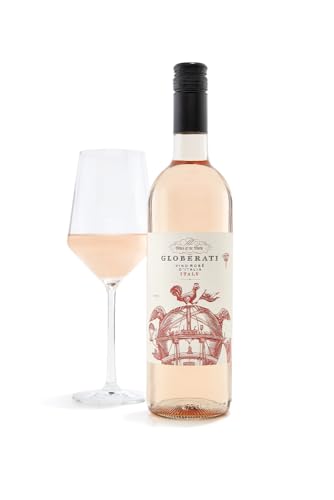

As an Amazon Associate we earn from qualifying purchases at no extra cost to you. Ratings are shown as listed on Amazon.
Quick picks for the most common occasions
| Situation | Recommended style | Good examples | Typical price range |
|---|---|---|---|
| Weeknight dinner | Dry, bright, medium-light body | La Vieille Ferme Rosé; M de Minuty | $9–$25 |
| Poolside or picnic drinking | Dry, crisp, low-tannin rosé | Provence rosé; Spanish rosado | $10–$22 |
| Guests with varied tastes | Off-dry or fruit-forward | White Zinfandel; semi-sweet California rosé | $7–$15 |
| Grilled fish and vegetables | Mineral, citrusy, moderately dry | Whispering Angel; Bandol rosé | $20–$45 |
| Celebration | Rosé sparkling wine | Laurent-Perrier Cuvée Rosé; Schramsberg Mirabelle Brut Rosé | $20–$120+ |
Choose by sweetness first
Dry rosé: the safest choice for food
Dry rosé has little residual sugar and usually tastes crisp rather than candy-like. Look for terms such as “brut” on sparkling bottles, or regions including Provence, Bandol, Navarra, and Tavel. These wines commonly show strawberry, watermelon, citrus, herbs, and a lightly savory finish.
For a reliable general-purpose bottle, Whispering Angel offers a polished, dry Côtes de Provence style, while M de Minuty is typically lighter and more delicate. For a more structured option, seek a Bandol rosé made primarily from Mourvèdre; it can stand up to grilled meats and richer dishes better than very pale, light-bodied rosé.
Off-dry rosé: softer and more approachable
Off-dry wines retain noticeable sweetness but should still have enough acidity to avoid tasting heavy. They work well when you are serving spicy food, salty snacks, or guests who do not usually drink dry wine. Check the back label for “semi-sweet,” “medium sweet,” or a residual-sugar figure when one is provided.
Sweet rosé: choose it deliberately
White Zinfandel and other sweet California rosés are inexpensive, fruit-forward choices for casual entertaining. They are not interchangeable with dry Provence rosé: expect more obvious berry and melon flavors and a softer finish. Serve them well chilled, approximately 45–50°F, so the sweetness stays refreshing.
Best rosé wines by grape
- Grenache: A frequent foundation for Provence and southern French rosé, with red-berry fruit, moderate body, and refreshing acidity. A strong choice for salads, grilled shrimp, and roast chicken.
- Cinsault: Often produces pale, floral, light-bodied wines. Choose it for aperitif service, seafood, or a warm afternoon.
- Mourvèdre: Fuller and more savory, with enough structure for lamb, sausage, grilled tuna, and other hearty dishes. Bandol is its classic rosé region.
- Pinot Noir: Usually offers delicate red-fruit aromas and lively acidity. It pairs especially well with salmon, roast poultry, and mushroom dishes.
- Tempranillo: The basis of many Spanish rosados, which can be darker, more robust, and more food-friendly than pale French rosé. Try one with tapas, paella, or pork.
- Zinfandel: Common in sweet White Zinfandel, with strawberry and watermelon flavors. It suits casual sipping and spicy food better than delicate seafood.
Best regions for different drinking styles
Provence, France: dry and versatile
Provence remains the reference point for pale, dry rosé. Côtes de Provence bottles are generally light to medium-bodied, while premium wines such as Château d’Esclans Rock Angel offer more texture and concentration. A typical bottle costs about $15–$40, with prestige cuvées going higher.
Tavel, France: dry but more substantial
Tavel rosé is dry, generally deeper in color and fuller in flavor than the lightest Provence styles. It is a good answer when red wine seems too heavy but a delicate rosé would disappear beside food. Pair it with grilled vegetables, charcuterie, roast chicken, or salmon.
Spain: value and food compatibility
Spanish rosado from Navarra, Rioja, or neighboring regions often provides excellent value in the $10–$20 range. Tempranillo and Garnacha-based examples can handle garlic, paprika, tomato, and grilled meats more comfortably than very subtle rosé.
California: broad choice from dry to sweet
California produces everything from dry Pinot Noir rosé to sweet White Zinfandel. This is the easiest region to search when your group has mixed preferences: read the sweetness description carefully rather than choosing by color alone.
Match the bottle to the food
| Food | Look for | Avoid |
|---|---|---|
| Salmon, tuna, shrimp | Dry Pinot Noir, Provence, or mineral-driven rosé | Very sweet wine |
| Pizza and tomato dishes | Medium-bodied Spanish rosado or Tavel | Extremely delicate rosé |
| Thai, Mexican, or Indian food | Off-dry or fruit-forward rosé | High-alcohol, heavily oaked styles |
| Cheese and charcuterie | Dry, acidic rosé with moderate body | Flat, low-acid sweet wine |
| Fruit desserts | Sweet rosé or rosé sparkling wine | Bone-dry rosé, which can taste harsh beside dessert |
Choose the right bottle size and budget
A standard 750 ml bottle yields about five 5-ounce pours. That makes the serving cost easy to estimate: a $15 bottle costs about $3 per glass before tax, while a $30 bottle costs about $6 per glass. For four people having two glasses each, buy two standard bottles; for six people having two glasses each, three bottles gives 15 pours and leaves a small margin.
- 187 ml single-serve: Roughly one large glass. Useful for a solo serving, but often costs more per ounce and may be harder to find.
- 375 ml half-bottle: About two and a half standard pours. A practical compromise for one or two drinkers.
- 750 ml standard bottle: Best value and the right default for dinner or a small gathering.
- 1.5 liter magnum: About ten 5-ounce pours. Worth considering for a larger party if the wine will be finished the same day; once opened, the larger format does not stay fresh indefinitely.
For value, spend $10–$18 on a dry Spanish rosado, southern French rosé, or approachable California bottle. At $18–$35, you can expect more precise fruit, texture, or regional character, including bottles such as Whispering Angel and higher-tier Provence wines. Above $35, you are usually paying for estate reputation, lower yields, prestige packaging, or a more distinctive style—not automatically a wine everyone will prefer.
Buying and serving details that affect quality
Check the vintage when possible. Most still rosé is made for fresh, early drinking, so a recent release is usually preferable unless the producer specifically recommends aging. Look for a bottle that has been stored away from heat and bright light. A warm bottle can lose freshness before you open it.
Chill still rosé to about 45–55°F. Too cold, and aroma and texture disappear; too warm, and alcohol and sweetness become more noticeable. Use a wine stopper and refrigerate leftovers. A still rosé is usually at its best within two to three days after opening, while sparkling rosé loses its bubbles faster even with a proper sparkling-wine stopper.
Decision guide: which rosé should you buy?
| Your priority | Best direction | Why |
|---|---|---|
| Lowest risk for a dinner party | Dry Provence or Spanish rosado | Refreshing, food-friendly, and not aggressively sweet |
| Maximum value under $15 | Garnacha or Tempranillo rosado | Usually offers flavor and acidity without a premium regional price |
| Guests who prefer sweet drinks | White Zinfandel or off-dry California rosé | Fruitier, softer, and easier for sweet-wine drinkers |
| Rosé with grilled meat | Tavel or Mourvèdre-led Bandol | More body and savory structure |
| A special toast | Brut rosé Champagne or sparkling rosé | Effervescence adds occasion and works with salty appetizers |
Bottom line
If you want one bottle that works from appetizers through the main course, choose a dry Provence rosé or a fresh Spanish rosado. Choose White Zinfandel or another off-dry style when sweetness is part of the brief, Tavel or Bandol when the meal needs more structure, and rosé sparkling wine when the bottle itself should feel celebratory. The most useful label clues are sweetness, grape, region, vintage, bottle size, and price—not the paleness of the wine alone.




Write Your Review
No reviews yet. Be the first to share your experience!