

Key takeaways
- On a budget: choose a 16–25 fl oz classic red wine vinegar at 5–6% acidity. This is the sensible default for households that make dressing, marinades, and pan sauces regularly.
- For a first serious bottle: choose a naturally fermented vinegar with a glass bottle, a clearly stated acidity, and no added sugar or artificial flavor. It will show more range without forcing you into a premium price.
- For simple salads: choose a bright, relatively thin vinegar. Its flavor should remain lively after mixing with olive oil, mustard, salt, and pepper.
- For cooking several times a week: buy a large everyday bottle and reserve a smaller aged bottle for finishing. This two-bottle approach is usually better value than using an expensive vinegar in a saucepan.
- For a compact pantry: choose one balanced 16 fl oz bottle rather than a large jug. Red wine vinegar keeps well, but a smaller bottle takes less shelf space and is easier to pour without drips.
- For gifting or table service: a dark-glass bottle with a controlled pourer looks attractive, but inspect the stopper. Narrow openings can clog when sediment or crystals form.
The best red wine vinegar for most kitchens is a naturally fermented vinegar with 6% acidity, a short ingredient list, and enough bottle volume to use freely in vinaigrettes; choose an aged, grape-forward bottle instead when you want the vinegar to finish a dish rather than simply sharpen it.
Red wine vinegar is not a single style. A bright, inexpensive vinegar made from red wine is excellent for everyday salad dressing and marinades, while a slower-aged vinegar can bring softer acidity, dried-fruit notes, and more length to roasted vegetables, beans, and pan sauces. The right purchase depends less on the label’s country of origin than on acidity, fermentation, grape character, aging, and how often you cook with it.
Our top picks
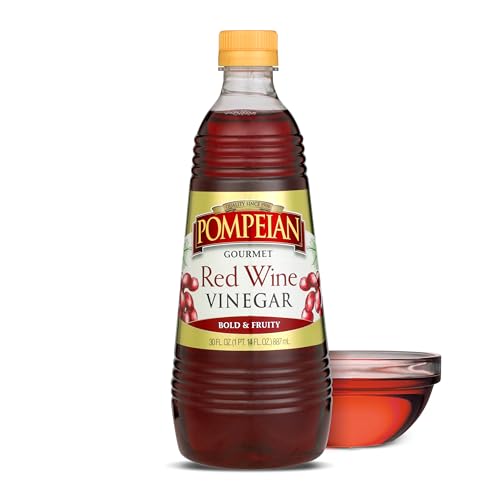
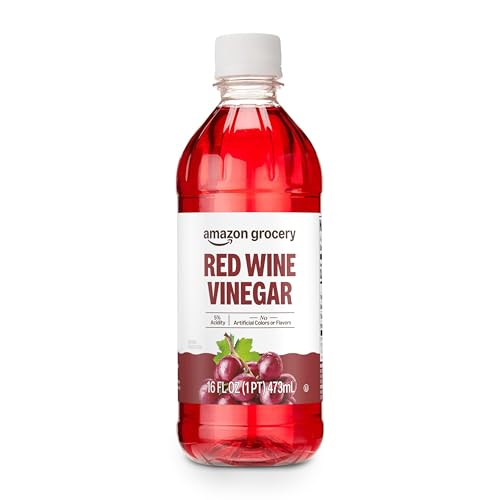

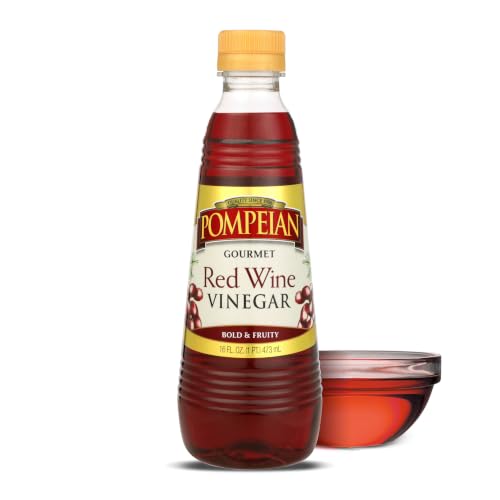
As an Amazon Associate we earn from qualifying purchases at no extra cost to you. Ratings are shown as listed on Amazon.
Best red wine vinegars by use
| Best for | What to buy | Typical size | Useful specification | Why it fits |
|---|---|---|---|---|
| Everyday vinaigrettes | Classic naturally fermented red wine vinegar | 16–25 fl oz | 5–6% acidity | Clean, sharp flavor and low cost per use |
| Roasted vegetables and beans | Reserve or oak-aged red wine vinegar | 8–12 fl oz | 5–6% acidity; visibly darker color | More rounded flavor with less raw alcoholic edge |
| French-style salads | Grape-forward vinegar from a named wine region or grape | 8–16 fl oz | Usually 6% acidity | Fruit and wine notes remain noticeable in a simple dressing |
| Frequent cooking | Large-format classic vinegar | 25–34 fl oz | 5–6% acidity; glass or food-grade plastic | Better value for deglazing, pickling-style sauces, and marinades |
| Finishing a dish | Small-batch or extended-aged vinegar | 3.4–8.5 fl oz | Often thicker, darker, and more concentrated | Use by the teaspoon where complexity matters more than volume |
What separates a good bottle from an ordinary one?
Acidity: sharpness is a feature, not a defect
Most culinary red wine vinegars contain about 5% or 6% acidity. A 6% vinegar tastes more assertive and is especially useful when dressing bitter greens, cutting through fatty sausage, or balancing sweet roasted vegetables. A 5% vinegar can be gentler in a delicate salad or sauce.
Do not assume that higher acidity means better quality. It tells you how forcefully the vinegar will acidify a dish, not whether it has attractive flavor. For ordinary cooking, 5–6% is the practical range. If the bottle does not state acidity, check the label or manufacturer’s specification rather than guessing.
Grape variety and the wine behind the vinegar
Many everyday bottles identify only “red wine vinegar.” That is perfectly adequate for a dressing, but a named wine or grape can provide more character. Vinegars made from robust red wines often have plum, berry, or tannic notes; lighter wines can taste more floral and restrained.
A grape variety is useful information only when the producer explains that it is actually used in the wine base. It should not be confused with grape must, sweetened balsamic-style vinegar, or a flavored vinegar. For a classic red wine vinegar, the ingredient list should primarily identify red wine and vinegar, with water and permitted sulfites where applicable.
Fermentation and aging
Look for “wine vinegar” made through alcoholic and acetic fermentation rather than a product built mainly from diluted vinegar concentrate and flavoring. Traditional surface fermentation can take longer and may produce more layered aromas; faster industrial production can still yield a clean, useful vinegar at a lower price.
Aging in oak or another wood vessel may soften the initial bite and add vanilla, toast, spice, or dried-fruit impressions. Aging does not automatically make a vinegar better for every task. A bright young vinegar is often superior in a large bowl of lettuce, where clarity and acidity matter more than complexity. Aged vinegar earns its higher price when used sparingly as a finishing ingredient.
Head-to-head: everyday versus aged red wine vinegar
| Criterion | Everyday classic style | Aged or reserve style |
|---|---|---|
| Flavor | Bright, direct, winey, sharply acidic | Smoother, deeper, sometimes woody or fruity |
| Best applications | Vinaigrettes, marinades, braises, sauces | Finishing, warm lentils, roasted roots, pan sauces |
| Typical bottle | 16–34 fl oz; often a glass or plastic bottle | 3.4–12 fl oz; usually a glass bottle |
| Value | Low cost per tablespoon | Higher cost, but a little goes further |
| Potential drawback | Can taste harsh when used alone | Wood or sweetness may distract from a simple salad |
Strong choices by situation
- On a budget: choose a 16–25 fl oz classic red wine vinegar at 5–6% acidity. This is the sensible default for households that make dressing, marinades, and pan sauces regularly.
- For a first serious bottle: choose a naturally fermented vinegar with a glass bottle, a clearly stated acidity, and no added sugar or artificial flavor. It will show more range without forcing you into a premium price.
- For simple salads: choose a bright, relatively thin vinegar. Its flavor should remain lively after mixing with olive oil, mustard, salt, and pepper.
- For cooking several times a week: buy a large everyday bottle and reserve a smaller aged bottle for finishing. This two-bottle approach is usually better value than using an expensive vinegar in a saucepan.
- For a compact pantry: choose one balanced 16 fl oz bottle rather than a large jug. Red wine vinegar keeps well, but a smaller bottle takes less shelf space and is easier to pour without drips.
- For gifting or table service: a dark-glass bottle with a controlled pourer looks attractive, but inspect the stopper. Narrow openings can clog when sediment or crystals form.
Ingredient quality and bottle design
Read the ingredient panel before being persuaded by terms such as “reserve,” “traditional,” or “artisan.” The most useful signs are wine vinegar as the primary ingredient, a stated acidity, and no unnecessary sweeteners. Sulfites may appear because they were present in the wine; their presence alone does not indicate poor quality.
Color is not a reliable quality test. Some red wine vinegars are naturally ruby or amber, while others are filtered to a clear red. A cloudy appearance can indicate an unfiltered product or harmless sediment, but it is not proof of superior flavor.
Glass is inert and protects the flavor well, particularly for a bottle kept for months. Food-grade plastic is lighter and practical for large cooking bottles, but it is less attractive on the table. A narrow neck reduces spills; a cap that closes securely matters more than a decorative pourer. Avoid bottles that drip down the shoulder, since dried vinegar eventually makes the cap sticky and difficult to open.
A simple cost-per-use calculation
Suppose a 16 fl oz bottle costs $8 and one tablespoon is 0.5 fl oz. It contains approximately 32 tablespoons, so the vinegar costs about $0.25 per tablespoon. A 6 fl oz aged bottle costing $14 contains approximately 12 tablespoons, or about $1.17 per tablespoon.
That price difference is reasonable when the aged vinegar is used one teaspoon at a time over lentils or roasted carrots. It is poor value if it is poured by the quarter-cup into marinades. Keep the inexpensive bottle for volume and the premium bottle for finishing.
How to use red wine vinegar without making food harsh
- Start with less than you think you need. Add 1 tablespoon vinegar to 3 tablespoons oil for a basic dressing, then adjust.
- Add salt before judging the acidity. Salt can make the dressing taste more complete, reducing the temptation to add too much vinegar.
- Include an emulsifier when appropriate. Dijon mustard, tahini, or a small amount of honey helps the oil and vinegar stay blended.
- Let the dressing rest for five minutes. This gives shallot, garlic, herbs, and salt time to contribute their flavor.
- Use heat carefully. Add vinegar to a pan after the wine or stock has reduced, or use it to deglaze briefly. Prolonged boiling drives off its freshest aromas.
Storage, durability, and common mistakes
Keep red wine vinegar tightly capped in a cool, dark cupboard. Refrigeration is generally unnecessary and can make pouring less convenient. Over time, harmless sediment or a gelatinous “mother” may develop. Strain it if the texture bothers you; discard the vinegar if it develops an unmistakably rotten smell, mold, or an unusual slimy contamination unrelated to normal sediment.
The first part of the bottle most likely to wear out is the closure, not the vinegar. Sticky caps, cracked plastic pourers, and chipped glass around the neck create more practical problems than age. Wipe the rim after pouring, keep the bottle upright, and replace a pourer that no longer seals. Do not store vinegar beside a hot stove, where heat accelerates aroma loss and can damage plastic components.
The most common buying mistake is choosing a strongly aged vinegar for every job. For a household that wants one dependable bottle, select a 5–6% classic red wine vinegar with a clean ingredient list and a manageable 16–25 fl oz size. Add a smaller aged bottle only when you specifically want a softer, more concentrated finishing flavor.



Write Your Review
No reviews yet. Be the first to share your experience!