

Our Short List of 3
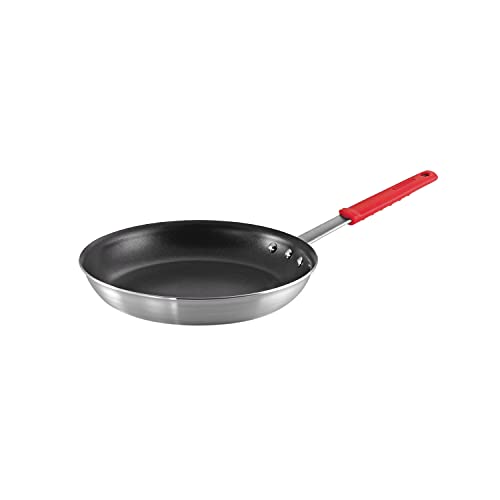
- Specs: 12-inch diameter; heavy-gauge aluminum body; reinforced nonstick interior; cast stainless handle with removable red silicone sleeve; oven safe to 500 degrees F; dishwasher safe; model 80114/536DS

- Specs: 12-inch diameter; stainless steel with pure aluminum encapsulated base; tempered glass cover included; induction compatible; dishwasher safe; model 722-30G

- Specs: 12-inch diameter; hard anodized aluminum body; Thermolon Minerals Pro ceramic nonstick coating, PFAS-free; Magneto induction base; stainless steel handle; oven and broiler safe to 600 degrees F; dishwasher safe; model CC002679-001
All 3 Picks at a Glance
| Product | Specs | Action |
|---|---|---|
| 2. Tramontina Professional Nonstick Fry Pan, 12 Inch (ASIN: B009HBKQR0) |
| Check price on Amazon |
| 3. Cuisinart Chef’s Classic Stainless Skillet with Glass Cover, 12 Inch (ASIN: B0078P9D8U) |
| Check price on Amazon |
| 4. GreenPan Valencia Pro Ceramic Nonstick Fry Pan, 12 Inch (ASIN: B07YT3X21D) |
| Check price on Amazon |
Key takeaways
- Compare the best frying pans for everyday cooking, from cast iron and carbon steel to nonstick and ceramic, with sizes, materials and care tips.
As an Amazon Associate, we earn from qualifying purchases made through links on this page. This helps support our work at no extra cost to you.
A good frying pan is the hardest-working tool in most kitchens. It fries eggs at breakfast, sears chicken at dinner, crisps potatoes, toasts sandwiches, and finishes sauces, often several times a day. Because one pan does so many jobs, the material it is made from matters more than almost any other buying decision in the cookware aisle. Cast iron holds heat like a bank vault but weighs a lot. Nonstick releases eggs effortlessly but wears out over time. Stainless steel browns beautifully and lasts for decades, yet it asks for a little technique. Carbon steel splits the difference, and ceramic nonstick offers a slick surface without traditional coatings.
This guide compares five frying pans that cover the main material families, all in the versatile 12-inch size that suits family cooking. Each one is a proven, widely available model from a known maker, and each suits a different kind of cook. Whether you want a pan you can hand down to your grandchildren, a forgiving nonstick for weekday eggs, or a responsive carbon steel skillet that behaves like the ones in professional kitchens, there is an option here that fits your stove and your habits.
How to Choose a Frying Pan
Start with the material. Cast iron sears superbly and becomes more nonstick with use, but it is heavy and needs basic seasoning care. Traditional nonstick on aluminum is light, affordable, and unmatched for eggs and fish, though the coating has a limited lifespan of a few years. Stainless steel with an aluminum or copper core heats evenly, tolerates metal utensils, and builds excellent fond for pan sauces, but food sticks until you learn to preheat properly. Carbon steel is lighter than cast iron, heats and cools faster, and develops a natural release surface with seasoning. Ceramic nonstick gives easy release without PFAS-based coatings, though its slickness fades faster than traditional nonstick.
Pick the right size. A 12-inch pan handles four chicken thighs, a family batch of pancakes, or a large stir-fry without crowding. Smaller 10-inch pans suit one or two people, while 8-inch pans are egg specialists. Check the flat cooking surface diameter too, since sloped sides mean the usable base is smaller than the rim measurement.
Check stovetop compatibility. Induction burners need a magnetic base, which cast iron, carbon steel, and many clad stainless pans have naturally. Some nonstick pans add a steel induction plate. Also confirm oven limits, since a pan that tolerates high oven heat can start a dish on the stove and finish it under the broiler.
Think about weight and handles. A 12-inch cast iron skillet can weigh over seven pounds before food goes in, so look for a helper handle opposite the main grip. Long stainless handles stay cooler, silicone sleeves add security, and riveted handles generally outlast screwed ones.
Match care to your routine. Nonstick and ceramic pans prefer hand washing and gentle utensils. Stainless goes in the dishwasher happily. Cast iron and carbon steel want a quick dry and a thin film of oil after washing, a small ritual that rewards you with better performance every year.
The 5 Best Frying Pans
1. Lodge Seasoned Cast Iron Skillet, 12 Inch (ASIN: B00006JSUB)
- Specs: 12-inch diameter, 2 inches deep; pre-seasoned cast iron; teardrop main handle with assist handle; safe on stove, oven, grill, and campfire; made in the USA
The Lodge 12-inch skillet is the benchmark for cast iron value. It arrives pre-seasoned with vegetable oil baked into the iron, so it cooks well from day one and only improves as your own seasoning builds. The thick casting holds heat stubbornly, which means steaks develop a deep, even crust and cornbread bakes with crisp edges. It moves from burner to oven to grill without complaint, and there is no coating to scratch, chip, or wear out, so with basic care it genuinely lasts generations.
The trade-offs are weight and upkeep. At roughly eight pounds empty, it is a two-handed lift when full, and it should be dried promptly and oiled lightly to prevent rust. Acidic sauces simmered for a long time can strip young seasoning, so save the all-day tomato braise for an enameled pan during the first months.
Pros:
– Exceptional heat retention for hard sears
– Pre-seasoned and ready to cook immediately
– Works on every heat source, including induction and open flame
– No coating to damage, and it improves with use
Cons:
– Heavy, especially when loaded with food
– Needs prompt drying and light oiling to prevent rust
– Handle gets very hot during cooking
2. Tramontina Professional Nonstick Fry Pan, 12 Inch (ASIN: B009HBKQR0)
- Specs: 12-inch diameter; heavy-gauge aluminum body; reinforced nonstick interior; cast stainless handle with removable red silicone sleeve; oven safe to 500 degrees F; dishwasher safe; model 80114/536DS
Built for restaurant kitchens, the Tramontina Professional is the nonstick pan that line cooks reach for, and it brings that durability home. The heavy-gauge aluminum spreads heat evenly without hot spots, and the reinforced nonstick surface releases eggs, fish fillets, and cheese-laced frittatas with barely a nudge. The stainless handle is riveted for strength, and its silicone sleeve keeps your grip secure and cooler.
Because the pan is oven safe to a generous temperature for a nonstick model, it handles stove-to-oven dishes well. It is not induction compatible, and like every traditional nonstick coating, the surface will eventually wear, so wood or silicone utensils and moderate heat will stretch its life considerably.
Pros:
– Excellent food release for eggs and delicate fish
– Heavy-gauge aluminum heats evenly and resists warping
– Oven safe to 500 degrees F, high for a nonstick pan
– Comfortable riveted handle with a removable silicone grip
Cons:
– Not compatible with induction cooktops
– Coating has a finite lifespan even with careful use
– Metal utensils will shorten the life of the surface
3. Cuisinart Chef’s Classic Stainless Skillet with Glass Cover, 12 Inch (ASIN: B0078P9D8U)
- Specs: 12-inch diameter; stainless steel with pure aluminum encapsulated base; tempered glass cover included; induction compatible; dishwasher safe; model 722-30G
The Cuisinart Chef’s Classic skillet is the stainless workhorse of this group. Its aluminum encapsulated base heats quickly and evenly, while the uncoated stainless cooking surface is the right tool for hard searing, deglazing, and building the browned fond that makes pan sauces taste rich. The included tempered glass lid is a genuine bonus, letting you watch rice finish, cheese melt, or greens wilt without lifting the cover and losing steam.
Stainless rewards technique: preheat the pan, add oil, and let proteins release naturally once a crust forms. It tolerates metal utensils, goes in the dishwasher, and shrugs off high heat that would ruin coated pans. If your cooking leans toward searing and sauces rather than fried eggs, this is the pan that will still be going strong in twenty years.
Pros:
– Superb browning and fond for pan sauces
– Aluminum encapsulated base for even heating
– Glass lid included for steaming and simmering
– Induction compatible and dishwasher safe
Cons:
– Eggs and delicate foods stick without proper preheating
– Stainless can discolor at high heat, though it scrubs clean
– Heavier than aluminum nonstick pans
4. GreenPan Valencia Pro Ceramic Nonstick Fry Pan, 12 Inch (ASIN: B07YT3X21D)
- Specs: 12-inch diameter; hard anodized aluminum body; Thermolon Minerals Pro ceramic nonstick coating, PFAS-free; Magneto induction base; stainless steel handle; oven and broiler safe to 600 degrees F; dishwasher safe; model CC002679-001
The Valencia Pro is the pick for cooks who want easy release without a traditional nonstick coating. Its diamond-infused ceramic surface is free of PFAS, PFOA, lead, and cadmium, and it tolerates metal utensils and oven heat up to 600 degrees, numbers most coated pans cannot match. The hard anodized body resists scratches, and the Magneto base keeps it efficient on induction as well as gas and electric burners.
Eggs slide, cheese crisps lift away, and cleanup usually takes one pass with a sponge. The honest caveat with all ceramic coatings is longevity: the slickness gradually softens over a few years of daily use, faster if you cook constantly over high heat or use cooking sprays, which leave residue that dulls the surface.
Pros:
– Ceramic coating made without PFAS or PFOA
– Oven and broiler safe to 600 degrees F
– Metal utensil safe and induction ready
– Hard anodized body resists scratches and warping
Cons:
– Ceramic slickness fades gradually with heavy use
– Cooking sprays can build up and reduce release
– Best kept at low to medium heat for longevity
5. Made In Seasoned Carbon Steel Frying Pan, 12 Inch (ASIN: B0BH6MRY8K)
- Specs: 12-inch diameter with a 9.25-inch cooking surface; blue carbon steel, pre-seasoned; stainless steel handle; induction compatible; oven safe to very high temperatures; crafted in Sweden; model COOK-12-FRYCN-S
Carbon steel is the pan professional cooks swear by, and the Made In 12-inch shows why. It sears with cast iron authority but weighs far less, and it heats and cools quickly, so you can pull heat back the moment garlic approaches golden. This version arrives pre-seasoned, skipping the fussy first rounds of oven seasoning, and the surface becomes more naturally nonstick with every fatty, high-heat cook. The sloped sides make tossing vegetables and flipping crepes easy.
Like cast iron, it wants a quick dry and a whisper of oil after washing, and long acidic simmers are best avoided while the seasoning is young. In return you get a pan that handles screaming-hot sears, open flame, and decades of daily service without a coating ever giving up.
Pros:
– Cast iron searing power at a much lighter weight
– Pre-seasoned, so it performs well right away
– Fast, responsive heating for precise control
– Extremely durable with no coating to fail
Cons:
– Needs drying and light oiling to prevent rust
– Seasoning can be stripped by long acidic cooking early on
– Cooking surface is smaller than the rim diameter suggests
FAQs
What size frying pan is best for everyday cooking?
A 12-inch pan is the most versatile everyday size. It fits four chicken thighs or pork chops without crowding, handles family batches of pancakes and stir-fries, and still works for a couple of eggs when needed. If you cook mostly for one or two people, a 10-inch pan heats faster and stores more easily, and many households keep one of each.
Which frying pan material lasts the longest?
Cast iron, carbon steel, and uncoated stainless steel last the longest because there is no surface layer to wear away. A cast iron or carbon steel skillet can serve for decades with simple seasoning care, and stainless steel pans routinely last just as long. Coated pans, both traditional nonstick and ceramic, perform beautifully but should be viewed as multi-year tools rather than lifetime purchases.
Can frying pans go from the stovetop into the oven?
Most can, within their temperature limits. Cast iron, carbon steel, and stainless steel tolerate high oven heat and broilers easily. Coated pans have lower ceilings that vary by model, so check the rating for your specific pan and remember that silicone handle sleeves and glass lids often have lower limits than the pan body itself.
How do you keep food from sticking in a stainless steel pan?
Preheat the empty pan over medium heat until a flick of water beads and dances on the surface, then add oil and let it shimmer before the food goes in. Protein will grip at first and then release on its own once a crust forms, usually after a few undisturbed minutes. Crowding the pan drops the temperature and causes steaming, so cook in batches when you want a proper sear.
Conclusion
The best frying pan for everyday cooking depends on how you actually cook. Choose the Lodge cast iron skillet if you want maximum searing power and a pan that outlives trends. Pick the Tramontina Professional if easy-release nonstick performance for eggs and fish tops your list. Go with the Cuisinart Chef’s Classic for stainless durability, sauce-making fond, and the handy glass lid. The GreenPan Valencia Pro suits cooks who prefer a ceramic, PFAS-free surface with high oven tolerance, and the Made In carbon steel pan rewards anyone who wants professional responsiveness in a lighter, season-it-yourself skillet. Match the material to your habits, take basic care of it, and a single good pan will quietly handle most of your cooking for years.
More from Amazon
Programs that pair well with the guide above. Offers and eligibility are set by Amazon and may change.
Collect the home and kitchen items you want in one registry that guests can shop from.
Create a wedding registrySet up recurring deliveries of everyday items on eligible products. Terms and savings are set by Amazon.
Explore Subscribe & SaveFree shipping on eligible items, Prime Video and more. Eligible new members can start with a free trial.
Start a Prime free trialAudiobooks and podcasts to listen to on the go. Eligible new members can start with a free trial.
Try Audible freeAs an Amazon Associate we earn from qualifying purchases.
Write Your Review
No reviews yet. Be the first to share your experience!