

Our Short List of 3

- Seasoned cast iron; 14-inch diameter; pre-seasoned with natural vegetable oil; dual handles; works on stovetop, in the oven, on the grill, and over campfires; made in the USA.

- Cold-rolled steel; 14-inch diameter; perforated crisper surface for airflow; durable nonstick coating made without PFAS; oven safe to 450 degrees Fahrenheit; dishwasher safe, hand washing recommended.
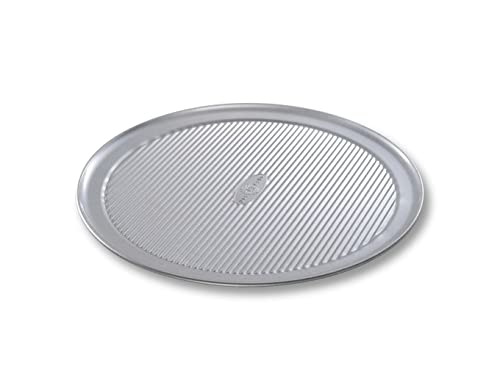
- Aluminized steel; 12-inch diameter; Americoat silicone nonstick coating, free of PTFE and PFOA; fluted surface for air circulation and strength; oven safe to 450 degrees Fahrenheit; made in the USA.
All 4 Picks at a Glance
| Product | Specs | Action |
|---|---|---|
| 2. Lodge BOLD 14 Inch Seasoned Cast Iron Pizza Pan |
| Check price on Amazon |
| 3. Wilton Perfect Results Non-Stick Pizza Crisper Pan, 14-Inch |
| Check price on Amazon |
| 4. USA Pan Bakeware Aluminized Steel Pizza Pan, 12-Inch |
| Check price on Amazon |
 5. GoodCook AirPerfect Nonstick 16-Inch Pizza Pan |
| Check price on Amazon |
Key takeaways
- Discover the best pizza pans for crispy crusts and easy home baking, from seasoned cast iron to perforated crispers and nonstick steel pans.
Pizza night at home should end with a crust that crackles when you fold the slice, cheese that bubbles to the edge, and a bottom that stays firm instead of sagging. The difference between that pizza and a pale, floppy one usually comes down to the pan underneath the dough. The right pizza pan moves heat into the crust quickly, lets steam escape so the base stays crisp, and releases the finished pie without a fight.
In this guide we compare five of the best pizza pans for home bakers, covering seasoned cast iron, perforated crispers, insulated air pans, and classic nonstick steel. Each pick suits a different style of pizza and a different kind of cook, from weeknight frozen pizzas to fully homemade dough. We also walk through the key buying factors — material, size, perforations, and coatings — so you can match a pan to your oven and your favorite recipes with confidence.
As an Amazon Associate, we earn from qualifying purchases made through links on this page, at no extra cost to you.
How to Choose the Best Pizza Pan
Material Matters Most
Material decides how fast a pan heats and how evenly it browns. Cast iron is the heavyweight champion of heat retention: once hot, it holds temperature like a pizza stone and produces a deeply browned, sturdy crust, though it needs preheating and weighs more than any other option. Aluminized steel and carbon steel heat quickly and evenly, resist warping, and pair well with nonstick coatings for easy release. Plain aluminum is lightweight and responsive, conducting heat fast for thin, crisp crusts, but it can bend if it is thin. If you bake thick, doughy pies, look for heavier gauges; if you love thin and snappy crusts, a lighter perforated pan often wins.
Solid vs. Perforated Surfaces
Perforations — the pattern of small holes across the pan — let hot air reach the underside of the crust and allow moisture to escape, which is the single easiest route to a crisp bottom. Perforated crispers shine with fresh, wet dough and with reheating leftover slices. Solid pans protect delicate or very thin dough from dripping through, give a more even, gently browned base, and double as general baking trays for cookies, roasted vegetables, and flatbreads. Some bakers keep one of each and switch depending on the recipe.
Size and Oven Fit
Most home pizza pans fall between 12 and 16 inches. A 12-inch pan suits personal pizzas, toaster-oven-sized batches, and couples, while 14-inch pans are the versatile middle ground for family pies. A 16-inch pan feeds a crowd but demands a wide oven cavity and generous storage space. Before ordering, measure your oven’s interior width and depth, and remember that handles and rims add to the footprint. Also think about how many slices you actually serve: buying the size you will use weekly beats owning a giant pan that lives in the back of a cupboard.
Coatings and Care
Nonstick coatings make cleanup easy and help cheesy edges release cleanly, but most are rated to about 450 degrees Fahrenheit and prefer hand washing and non-metal utensils. Uncoated and seasoned surfaces — cast iron especially — tolerate higher heat and metal tools, and they improve with use, but they ask for a little more care: thorough drying, an occasional light coat of oil, and no long soaks. If you run your oven at its maximum for Neapolitan-style pies, choose a pan whose heat rating matches your habits.
Rim, Weight, and Handles
A low rim or rimless edge lets you slide a finished pizza onto a cutting board with a peel or wide spatula, while a slightly raised lip contains saucy, topping-heavy pies. Weight is a trade-off: heavier pans resist warping and bake more evenly, but they are harder to maneuver one-handed with oven mitts. Dual handles, common on cast iron, make a real difference when the pan is loaded and hot. Finally, check whether the pan nests or stacks with your other bakeware, because pizza pans are wide and can eat cabinet space quickly.
The 5 Best Pizza Pans
1. Cuisinart Chef’s Classic Nonstick Bakeware 14-Inch Pizza Pan
Specs
- Heavy-gauge aluminized steel; 14-inch diameter; perforated bottom for crisping; Whitford Xylan nonstick interior and exterior; thick rolled edges to resist warping; dishwasher safe.
The Cuisinart Chef’s Classic is the all-rounder we recommend to most home bakers. Its perforated surface lets heat and air circulate under the crust, so fresh dough bakes up crisp rather than steamed, while the heavy-gauge aluminized steel body spreads heat evenly from center to edge. The nonstick finish inside and out means baked-on cheese wipes away easily, and the rolled edges keep the pan flat through years of weekly pizza nights.
This pan handles everything from frozen pizzas to homemade pies with generous toppings, and the 14-inch size feeds a family without overwhelming a standard oven. If you want one dependable pan that balances crisping power, durability, and easy cleanup, this is the place to start.
Pros:
– Perforated bottom produces genuinely crispy crusts
– Heavy-gauge steel resists warping
– Nonstick inside and out for fast cleanup
– Dishwasher safe
Cons:
– Nonstick coating limits maximum oven temperature
– No handles for gripping
2. Lodge BOLD 14 Inch Seasoned Cast Iron Pizza Pan
- Seasoned cast iron; 14-inch diameter; pre-seasoned with natural vegetable oil; dual handles; works on stovetop, in the oven, on the grill, and over campfires; made in the USA.
For the crispiest, most pizzeria-like crust achievable in a home oven, cast iron is hard to beat, and the Lodge pizza pan is the classic of the category. Preheat it while the oven comes up to temperature and the heavy iron sears the underside of the dough on contact, giving you a firm, deeply golden base with real chew. The seasoning builds up over time, so the pan becomes more naturally nonstick the more you use it.
Beyond pizza, this pan moonlights as a griddle for pancakes, fajitas, burgers, cornbread, and cookies, and it moves from stovetop to oven to grill without complaint. It is heavy and needs basic cast iron care — dry it well and oil it lightly — but in return it should outlast every other pan in your kitchen.
Pros:
– Superb heat retention for a seared, crisp crust
– Extremely durable; no coating to wear out
– Versatile: oven, stovetop, grill, and campfire use
– Seasoning improves release over time
Cons:
– Heavy to lift when loaded
– Requires seasoning care and thorough drying
3. Wilton Perfect Results Non-Stick Pizza Crisper Pan, 14-Inch
- Cold-rolled steel; 14-inch diameter; perforated crisper surface for airflow; durable nonstick coating made without PFAS; oven safe to 450 degrees Fahrenheit; dishwasher safe, hand washing recommended.
Wilton’s Perfect Results crisper is built around one job: maximum airflow under the crust. The perforated surface exposes the dough to direct oven heat, driving off moisture so thin crusts come out snappy and frozen pizzas avoid the soggy middle that plagues solid pans. The warp-resistant steel body keeps the pan flat, and the nonstick coating lets slices slide off cleanly.
This is a smart, simple pick for households that bake a lot of frozen and thin-crust pizzas and want reliable crisping without fuss. Cleanup is quick, storage is easy thanks to the slim profile, and the pan also works nicely for reheating leftover slices back to life.
Pros:
– Perforations deliver extra-crispy thin crusts
– Warp-resistant steel construction
– Easy nonstick release and cleanup
– Slim profile stores easily
Cons:
– Oven limit of 450 degrees Fahrenheit
– Very wet dough can drip through the holes
4. USA Pan Bakeware Aluminized Steel Pizza Pan, 12-Inch
- Aluminized steel; 12-inch diameter; Americoat silicone nonstick coating, free of PTFE and PFOA; fluted surface for air circulation and strength; oven safe to 450 degrees Fahrenheit; made in the USA.
USA Pan builds bakeware for commercial kitchens, and this 12-inch pizza pan brings that heavy-gauge construction home. The fluted, corrugated surface is more than a styling choice: it increases the pan’s strength, helps air circulate beneath the crust, and gives the Americoat silicone coating extra grip on the steel so it lasts. Pizzas release cleanly with little or no oil, and the pan resists the warping that thinner pans suffer.
The 12-inch size is ideal for personal pizzas, smaller households, and anyone whose oven or storage space is tight, and it is equally handy for reheating a few slices or baking a small batch of flatbread. If you value build quality and a coating designed to go the distance, this pan is a standout.
Pros:
– Commercial-grade heavy-gauge steel
– Fluted surface adds strength and airflow
– Long-lasting silicone nonstick coating
– Made in the USA
Cons:
– 12-inch size is small for families
– Hand washing recommended to protect the coating
5. GoodCook AirPerfect Nonstick 16-Inch Pizza Pan
- Carbon steel; 15.75 to 16-inch diameter; insulated double-layer AirPerfect design with perforated top; nonstick coating; printed cutting guides for even slices; oven safe.
When pizza night means feeding a crowd, the GoodCook AirPerfect brings the size and a clever insulated design. Two layers of carbon steel trap a cushion of air beneath the perforated top surface, which slows heat at the base just enough to prevent scorched bottoms while the holes still crisp the crust — a combination that works especially well for frozen pizzas and thick, topping-loaded pies that need longer in the oven.
The generous 16-inch surface fits large family pizzas, and the cutting guides printed on the pan help you portion even slices without guesswork. Despite its size, the nonstick surface keeps cleanup simple, and the pan doubles as a big tray for nachos, garlic bread, and party flatbreads.
Pros:
– Large 16-inch size for family and party pizzas
– Insulated design prevents burnt bottoms
– Perforated top still crisps the crust
– Cutting guides for even slices
Cons:
– Needs a wide oven and ample storage space
– Heavier than single-layer pans
Frequently Asked Questions
What size pizza pan should I buy for a family?
A 14-inch pan is the sweet spot for most families: it makes a pie that serves three to four people and fits comfortably in standard ovens. If you regularly feed five or more, or host pizza parties, step up to a 16-inch pan like the GoodCook AirPerfect — just measure your oven first to confirm it fits with room for air to circulate.
Are perforated pizza pans really better for crispy crusts?
For most home ovens, yes. The holes let steam escape from under the dough and allow hot air to reach the base directly, which produces a firmer, crisper bottom. Solid pans still work well, especially for very thin or delicate dough that might sag into the holes, and preheating a solid cast iron pan can match or beat the crispness of a perforated one.
Can I use a pizza pan on the grill or stovetop?
Only pans designed for it. Seasoned cast iron, like the Lodge pizza pan, is safe on stovetops, grills, and even campfires. Nonstick steel and aluminum pans are generally oven-only: direct flame and stovetop burners can overheat and damage their coatings. Always check the manufacturer’s guidance for your specific pan before using it over open heat.
How do I stop pizza from sticking to the pan?
Start with a dry, lightly floured or cornmeal-dusted surface, and avoid piling cold, wet toppings onto raw dough, which creates steam. Nonstick pans usually need no oil at all, while uncoated aluminum benefits from a light brush of oil or a sheet of parchment. For cast iron, a properly preheated pan and a maintained seasoning layer provide reliable release.
Conclusion
The best pizza pan is the one that matches how you actually bake. For an all-purpose choice that crisps well and cleans up in minutes, the Cuisinart Chef’s Classic 14-inch pan is our top recommendation. If crust quality is your obsession, the Lodge cast iron pan rewards a preheat with pizzeria-level results, while the Wilton crisper is the airflow specialist for thin and frozen pies. Smaller households will appreciate the commercial build of the 12-inch USA Pan, and big families should look at the insulated 16-inch GoodCook AirPerfect.
Whichever you choose, pair it with a properly preheated oven and let the pan do the heavy lifting. With the right pan under your dough, crispy crusts and easy, relaxed pizza nights at home become the rule rather than the exception.
More from Amazon
Programs that pair well with the guide above. Offers and eligibility are set by Amazon and may change.
Collect the home and kitchen items you want in one registry that guests can shop from.
Create a wedding registrySet up recurring deliveries of everyday items on eligible products. Terms and savings are set by Amazon.
Explore Subscribe & SaveFree shipping on eligible items, Prime Video and more. Eligible new members can start with a free trial.
Start a Prime free trialAudiobooks and podcasts to listen to on the go. Eligible new members can start with a free trial.
Try Audible freeAs an Amazon Associate we earn from qualifying purchases.

Write Your Review
No reviews yet. Be the first to share your experience!