

Key takeaways
- For the closest IPA experience: Glutenberg IPA or Holidaily Fat Randy’s IPA. Both provide more hop aroma and bitterness than most sorghum-based light ales.
- For a dinner-friendly lager: Glutenberg Blonde or a certified gluten-free lager-style beer. Expect a crisp, light-bodied finish rather than the deep cracker-like malt of a standard pilsner.
- For dark-beer drinkers: Green’s Dubbel Dark Ale or Glutenberg Stout. These use roasted and caramel-like flavors to create a fuller impression without barley.
- For Belgian-style beer: Green’s Dubbel Dark Ale, Endeavour Dubbel IPA, or a similar certified gluten-free Belgian ale. Fruit, spice, and higher alcohol can compensate for a thinner malt base.
- For a conventional beer drinker who accepts gluten-reduced beer: Daura Damm or Omission Lager, Pale Ale, or IPA. These usually have the familiar grainy malt profile that some gluten-free recipes cannot reproduce.
- For a mixed gathering: Buy both a certified gluten-free option and a gluten-reduced option, and keep cans or glasses clearly separated if cross-contact is a concern.
The best gluten free beers that taste like real beer are Glutenberg IPA for hop character, Holidaily Fat Randy’s IPA for a fuller American-style pint, Green’s Dubbel Dark Ale for malt depth, and Daura Damm or Omission when you specifically want a conventional barley-beer profile and can tolerate a gluten-reduced product.
The important buying distinction is not just taste: beers brewed without gluten-containing grains are different from beers brewed with barley and processed to reduce gluten. If you need to avoid gluten for medical reasons, choose a product labeled and independently certified gluten-free, check the current package, and ask a qualified healthcare professional about products made from barley.
Our top picks


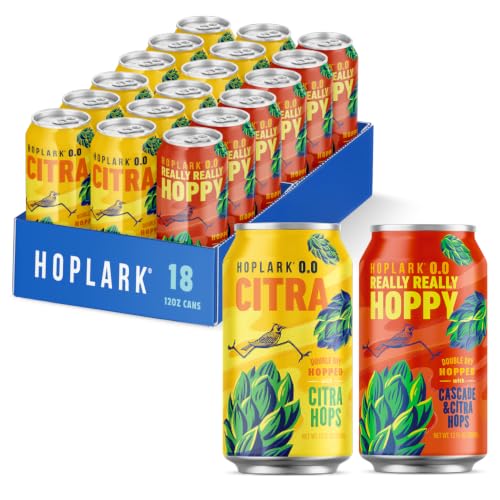
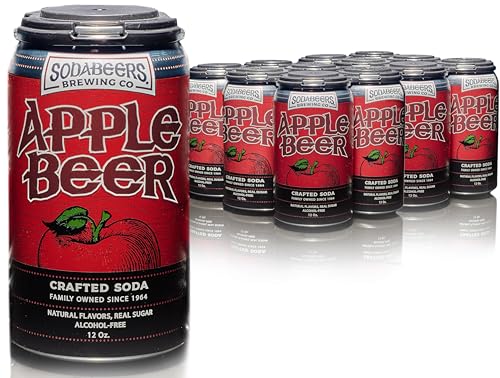
As an Amazon Associate we earn from qualifying purchases at no extra cost to you. Ratings are shown as listed on Amazon.
Gluten-free versus gluten-reduced beer
Certified gluten-free beer is made without wheat, barley, or rye and commonly uses sorghum, millet, rice, buckwheat, corn, or gluten-free oats. A recognized certification generally means the finished product meets a very low gluten threshold, often below 20 parts per million, although certification standards and labeling rules can differ.
Gluten-reduced beer starts with barley, then uses enzymes or another process intended to break down gluten proteins. It can taste more like familiar lager or ale because barley provides the traditional malt foundation. However, testing can be more complicated because gluten fragments may not be measured consistently by every method. Treat gluten-reduced beer as a separate category rather than an interchangeable substitute for certified gluten-free beer.
Best picks by drinking situation
- For the closest IPA experience: Glutenberg IPA or Holidaily Fat Randy’s IPA. Both provide more hop aroma and bitterness than most sorghum-based light ales.
- For a dinner-friendly lager: Glutenberg Blonde or a certified gluten-free lager-style beer. Expect a crisp, light-bodied finish rather than the deep cracker-like malt of a standard pilsner.
- For dark-beer drinkers: Green’s Dubbel Dark Ale or Glutenberg Stout. These use roasted and caramel-like flavors to create a fuller impression without barley.
- For Belgian-style beer: Green’s Dubbel Dark Ale, Endeavour Dubbel IPA, or a similar certified gluten-free Belgian ale. Fruit, spice, and higher alcohol can compensate for a thinner malt base.
- For a conventional beer drinker who accepts gluten-reduced beer: Daura Damm or Omission Lager, Pale Ale, or IPA. These usually have the familiar grainy malt profile that some gluten-free recipes cannot reproduce.
- For a mixed gathering: Buy both a certified gluten-free option and a gluten-reduced option, and keep cans or glasses clearly separated if cross-contact is a concern.
Head-to-head comparison
The figures below are typical published specifications or style targets; recipes, package sizes, and availability can change. Always confirm the current can or bottle, especially for certification and alcohol content.
| Beer or type | Category | Style and malt character | Bitterness | Carbonation | Typical ABV | Best occasion |
|---|---|---|---|---|---|---|
| Glutenberg Blonde | Certified gluten-free | Light cracker, citrus, clean finish | Low, about 15–20 IBU | Medium-high | About 4.5% | Casual lunch or warm-weather drinking |
| Glutenberg IPA | Certified gluten-free | Citrus and resinous hops over a lean malt base | Medium-high, about 40–50 IBU | Medium | About 6.0% | IPA drinkers and spicy food |
| Holidaily Fat Randy’s IPA | Certified gluten-free | Grainy, lightly sweet malt with American hop flavor | Medium-high | Medium | About 6.2% | Barbecue, burgers, and hop-focused drinking |
| Green’s Dubbel Dark Ale | Certified gluten-free | Dark fruit, caramel, raisin, toasted sugar | Low-medium | Medium | About 7.0% | Slow sipping and hearty food |
| Certified gluten-free stout | Certified gluten-free | Coffee, cocoa, roast, sometimes a dry finish | Medium | Medium-low | About 5–6% | Chocolate desserts or cool evenings |
| Daura Damm | Gluten-reduced | Barley malt, light toast, crisp lager finish | Low-medium, about 10–20 IBU | High | About 5.4% | People seeking a familiar lager profile |
| Omission Pale Ale or IPA | Gluten-reduced | Traditional barley malt with citrus and floral hops | Medium to high | Medium | About 5.8–6.7% | American ale drinkers who prefer barley beer |
What makes these beers taste more like “real beer”?
Malt character
Barley contributes bread crust, biscuit, toast, caramel, and a rounded sweetness that many drinkers identify as classic beer flavor. Gluten-free brewers often build complexity by combining grains rather than relying on one substitute. Sorghum can add a dry, earthy note; buckwheat contributes toast and nuttiness; millet can be delicate and grainy; rice and corn lighten the body. Darker roasting, caramelized sugars, and Belgian yeast can make a gluten-free ale feel more substantial.
Bitterness and hop aroma
Hops are naturally gluten-free, so hop-forward styles are often the safest way to find an assertive flavor. IPA bitterness can hide some of the leaner grain character, while citrus, tropical, pine, and floral aromas create a satisfying nose. If you dislike bitterness, choose a blonde ale, lager-style beer, or Belgian white instead of assuming every gluten-free beer will taste thin.
Body and carbonation
Many gluten-free beers finish lighter than barley beers. Higher carbonation can make that seem refreshing, but excessive fizz may emphasize sharpness. Pour the beer into a clean glass rather than drinking it very cold from the can: a temperature around 40–46°F for lagers and 45–55°F for ales allows malt, fruit, and spice notes to show. Dark ales and strong Belgian-style beers generally benefit from the warmer end of those ranges.
A simple decision matrix
| Your priority | Choose first | Why | Trade-off |
|---|---|---|---|
| Strict gluten avoidance | Certified gluten-free beer | Made without gluten-containing grains and subject to a certification or gluten-free labeling standard | Some styles have a lighter body |
| Closest barley-beer flavor | Gluten-reduced lager or pale ale | Barley supplies familiar malt, toast, and body | Not the same category as certified gluten-free |
| Strongest flavor per serving | IPA, stout, or dubbel | Hops, roast, fruit, and higher alcohol add intensity | More bitterness or alcohol |
| Easy food pairing | Blonde ale or lager-style beer | Moderate flavor and crisp carbonation suit salads, seafood, and lighter dishes | Less malt complexity |
| One bottle for slow sipping | Dark Belgian-style ale | Fruit, caramel, spice, and 6–8% ABV provide depth | Not as refreshing or sessionable |
How to buy without wasting a four-pack
- Decide the safety category first. If certified gluten-free is required, eliminate gluten-reduced beers before comparing taste.
- Match style to your usual beer. A lager drinker should begin with a blonde or lager-style beer; an IPA drinker should start with a hop-forward ale; a stout drinker should try a dark ale rather than a light lager.
- Check ABV and serving size. A 12-ounce beer at 7% ABV contains considerably more alcohol than a 12-ounce beer at 4.5%. Higher ABV can improve flavor, but it changes how and when the beer fits.
- Buy the smallest available package first. A single 355 mL can or bottle is a better trial than committing to a 4- or 6-pack. If a four-pack costs $14–$18, the trial cost is roughly $3.50–$4.50 per serving before tax; compare that with the cost of discarding a full pack you dislike.
- Serve it properly. Use a clean glass, avoid freezing temperatures, and drink hop-forward beer while it is fresh. Heat and long storage flatten hop aroma faster than they damage a dark, malt-focused ale.
Ownership realities: freshness, storage, and cross-contact
Gluten-free beer can be more delicate because some recipes have less protein and body to support long storage. Look for a fresh date when available, store cans cool and away from sunlight, and refrigerate after opening. A half-finished carbonated beer will lose its best texture quickly, so pour only what you plan to drink.
At home, a clean glass matters. Residue from a regular beer can introduce flavor and, where relevant, gluten cross-contact. Wash glassware thoroughly, rinse serving taps and picnic faucets carefully, and do not use a shared growler or draft line without proper cleaning. These are practical handling precautions, not a guarantee about a product’s medical suitability.
Final recommendation
For the most convincing certified gluten-free starting point, choose Glutenberg IPA if you like hops, Holidaily Fat Randy’s IPA if you want a fuller American ale, or Green’s Dubbel Dark Ale if malt, fruit, and spice matter most. Choose Daura Damm or Omission only when a gluten-reduced barley beer fits your personal requirements. The best gluten free beers that taste like real beer are ultimately the ones that match both your preferred style and the level of gluten avoidance you need.





Write Your Review
No reviews yet. Be the first to share your experience!