

Key takeaways
- Two seated guests: 2 x 24 inches = 48 inches of serving width.
- Sink module: approximately 24 inches.
- Landing space beside the sink: at least 18 inches.
- Total practical minimum: about 72 inches for a comfortable two-person permanent bar.
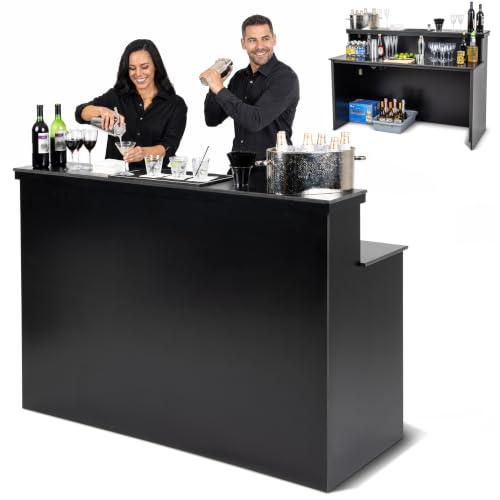
The best outdoor bar stations for patios are modular stainless-steel units with at least a 42-inch worktop, weather-protected storage, a built-in ice or beverage area, and utilities planned before installation; compact carts are better for renters, occasional entertaining, and patios without plumbing.
Your choice mainly comes down to four questions: how much counter space you need, whether the station stays outdoors year-round, whether you want a plumbed sink, and how much installation work your patio can support. A permanent setup should be selected like a small outdoor kitchen rather than like a piece of patio furniture.
Our top picks



As an Amazon Associate we earn from qualifying purchases at no extra cost to you. Ratings are shown as listed on Amazon.
Best outdoor bar stations by patio situation
| Patio situation | Best station type | Useful size | Typical budget range | Main compromise |
|---|---|---|---|---|
| Small patio or occasional drinks | Rolling bar cart with covered storage | 30–42 in. wide x 20–26 in. deep | $250–$900 | Limited prep space and no permanent sink |
| Frequent entertaining, no plumbing | Modular dry bar with ice chest or beverage cooler | 48–72 in. wide x 24–30 in. deep | $900–$3,000 | Ice and water must be replenished manually |
| Large patio with an existing water line | Permanent stainless-steel bar with sink | 60–96 in. wide x 24– thirty-six in. deep | $2,000–$6,000 | Plumbing, drainage, and winterization add complexity |
| Full outdoor kitchen and bar | Custom or modular island with bar counter | 84–144 in. wide x 30– forty-eight in. deep | $5,000–$15,000+ | Permanent footprint and higher installation cost |
Our picks by use case
Best for a permanent, low-maintenance setup: modular 304 stainless-steel bar island
A modular island built from 304 stainless steel is the strongest all-around choice for homeowners who entertain regularly. Look for a 24- to 30-inch-deep working counter, adjustable feet, enclosed cabinets, and a removable or serviceable sink basin. Brands such as NewAge Products, Coyote Outdoor Living, Blaze Outdoor Products, and Bull Outdoor Products sell outdoor-kitchen components that can be combined into bar and prep configurations.
The advantage of this format is serviceability. A damaged cabinet door, faucet, refrigerator, or drawer can usually be replaced independently instead of forcing you to discard the entire station. A 60-inch layout can accommodate a sink, a 20- to 24-inch ice chest or beverage center, and roughly 20 inches of landing space for bottles and glassware. Wider 72- to 96-inch layouts are more comfortable when two people work at the bar.
Best for a patio without plumbing: dry bar with an insulated ice compartment
A dry station avoids the most expensive part of a permanent installation: water supply and drainage. The practical version has a stainless or powder-coated steel frame, an insulated ice bin, a bottle opener, towel storage, and a large lower cabinet for backup beverages. Some outdoor bar modules include a removable cutting board or cover that converts the ice compartment into prep space.
This arrangement works well if drinks are served a few times a month. It is less convenient for long parties because a 20- to 30-quart ice compartment can lose usable capacity quickly when opened repeatedly. Plan on keeping a second cooler nearby for reserve ice and chilled bottles rather than filling the bar cabinet beyond its intended load.
Best for renters and small patios: a covered rolling bar cart
A cart is the sensible answer when the station must be moved into a garage or under cover. Choose locking casters at least 3 inches in diameter, a 30-inch or wider work surface, and a lower shelf rated for heavy bottles. A cart with a removable ice tub is more flexible than one with a permanently fixed basin.
The trade-off is stability. Tall bottles, glassware, and a loaded ice tub create a high center of gravity, so a narrow cart can tip on uneven pavers. Measure doorways and storage paths before buying: a 42-inch-wide cart may fit the patio but fail at a 36-inch gate or stair landing.
Best for built-in refrigeration: a stainless bar module with a front-vented beverage center
If cold drinks are the priority, choose a beverage refrigerator designed for outdoor use rather than placing an indoor appliance under a counter. Outdoor-rated models from brands such as Perlick, U-Line, and Lynx are made for more demanding temperature and moisture conditions, but they still need shade and ventilation.
Front ventilation is essential in a built-in cabinet. A rear-vented refrigerator trapped in a tight enclosure can run continuously, consume more electricity, and suffer premature compressor wear. Allow the clearances specified by the appliance manufacturer, provide a weatherproof electrical receptacle, and do not rely on an extension cord as a permanent solution.
Counter dimensions that make a bar usable
Counter depth is often more important than total width. A 20-inch-deep top can hold a few glasses and bottles but leaves little room for cutting citrus or mixing drinks. For a permanent bar, 24 to 30 inches is a better target. If guests will sit at the counter, allow roughly 24 inches of width per person and at least 10 to 12 inches of knee clearance beneath the overhang.
Standard working-counter height is about 36 inches. A raised drink counter is commonly 40 to 42 inches, but it can be uncomfortable for food preparation. If the station combines a prep surface and a guest-facing ledge, keep the prep area near 36 inches and raise only the outer serving section.
Use this quick fit calculation before ordering:
- Two seated guests: 2 x 24 inches = 48 inches of serving width.
- Sink module: approximately 24 inches.
- Landing space beside the sink: at least 18 inches.
- Total practical minimum: about 72 inches for a comfortable two-person permanent bar.
A 60-inch station can work, but it usually requires sharing the sink landing space or using a smaller bar sink.
Storage, sink, and prep features compared
| Feature | What to look for | What it solves | Common drawback |
|---|---|---|---|
| Drawers | Full-extension, soft-close, corrosion-resistant slides | Fast access to tools, napkins, and bottle openers | Slides and gaps collect grit if not cleaned |
| Enclosed cabinets | Adjustable shelves and magnetic or positive latches | Protects glassware and supplies from sun and insects | Can trap moisture without ventilation |
| Bar sink | 10–15 inch basin, drain fitting, weather-rated faucet | Handwashing, rinsing tools, and draining melted ice | Requires water supply and legal drainage |
| Ice bin | Insulated 20–30 quart basin with drain plug | Cold storage without electricity | Ice melts and must be replenished |
| Prep surface | 304 stainless, sealed stone, or porcelain surface | Provides room for citrus, garnishes, and mixing | Some dark surfaces show dust and water spots |
Utility requirements for a permanent installation
A sink is not simply a hole cut into the counter. A plumbed station needs a cold-water supply, a drain route, shutoff access, and protection from freezing where relevant. Some patios can use an approved drain connection; others need a permitted indirect drain or a gray-water arrangement. Local plumbing rules vary, so confirm the arrangement before buying a sink module.
For refrigeration or lighting, plan a weather-resistant, ground-fault-protected outdoor circuit. A dedicated circuit may be appropriate for a beverage refrigerator, ice maker, or multiple appliances. Keep receptacles accessible for service and place them where standing water cannot collect. Gas appliances require additional clearances, approved connectors, and local-code compliance; they should not be improvised inside a bar cabinet.
For a fully permanent station, the installation sequence should be:
- Mark the footprint and confirm door, walkway, and seating clearances.
- Locate water, drain, electrical, and gas routes before setting cabinets.
- Level the base and leave access panels reachable.
- Install the counter with the specified overhang and seal exposed joints.
- Connect utilities, test for leaks, and verify appliance ventilation.
- Secure modules against movement, especially on sloped or windy patios.
Weather protection and durability
304 stainless steel is preferable in most outdoor environments because it resists corrosion better than ordinary indoor-grade steel. In coastal locations, 316 stainless steel offers better resistance to salt exposure, although it costs more. Powder-coated aluminum is lighter and does not rust, but scratches can expose the underlying metal and should be repaired promptly.
The first parts to wear are commonly cabinet hinges, drawer slides, caster bearings, silicone seals, faucet cartridges, and refrigerator door gaskets. Sun also degrades plastic handles and inexpensive vinyl covers. A cover helps, but it should be breathable and used only after the station is dry; trapping condensation under an impermeable cover can accelerate corrosion.
Clean stainless steel with mild soap and a soft cloth, wiping in the direction of the grain. Avoid chlorine bleach, steel wool, and abrasive powders. Empty ice bins after use, dry cabinet interiors, lubricate suitable hinges according to the manufacturer’s instructions, and inspect fasteners twice a year. In freezing climates, shut off and drain exposed water lines before the first hard freeze.
What to buy if you are unsure
Choose a 60- to 72-inch modular stainless-steel dry bar if you entertain often but lack plumbing. Choose a 72-inch or larger plumbed island if the patio already has accessible water, drainage, and power. Choose a rolling cart if the station must be stored indoors. For the longest service life, spend less on decorative extras and more on 304 or 316 stainless construction, replaceable hardware, adjustable feet, proper appliance ventilation, and accessible utility connections.
The best outdoor bar stations are not necessarily the largest or most elaborate. The right one leaves enough landing space to work, protects supplies from weather, matches the patio’s available utilities, and can be maintained without dismantling the entire installation.




Write Your Review
No reviews yet. Be the first to share your experience!