

Key takeaways
- Capacity: flutes commonly hold roughly 5 to 8 ounces; tulips can hold more. A pour should fill about half to two-thirds of the bowl, so a larger tulip does not mean a larger drink.
- Height: tall flutes may not fit in a standard dishwasher top rack or under cabinet shelves. Measure before buying.
- Stem length: a longer stem keeps the hand from warming the wine but is easier to knock over.
- Sets: sets of two, four, six and twelve are common. For parties, a set of twelve of a durable flute makes sense, while pairs of premium tulips suit regular home use.
- Storage: hang by the bowl or store upright to avoid chipping the rim.
For most people drinking Champagne and other sparkling wine, a tulip-shaped glass such as the Riedel Performance Champagne is the best all-round choice, a Schott Zwiesel Tritan flute is the best durable flute for parties and dishwashers, and a coupe suits cocktails and vintage styling more than bubbles. This guide compares the three shapes and the models reviewers name in 2026, with notes on durability, size and what to avoid.
Our top picks


As an Amazon Associate we earn from qualifying purchases at no extra cost to you.
At a Glance: Champagne Glass Options
| Glass | Shape | Best for | Reviewer notes | Limits |
|---|---|---|---|---|
| Riedel Performance Champagne | Tulip | Serious sparkling wine drinkers | Described by one roundup as winning nearly every professional comparison | Premium tier; thin glass needs care |
| Riedel Vinum Champagne | Flute | Flute fans wanting better aromas | Called the best-tested flute in that roundup | Not as durable as Tritan |
| Riedel Superleggero | Hand-made | Luxury gifts | Forbes picks it for best luxury | High cost, very fragile |
| Schott Zwiesel Tritan Crystal Flute | Flute | Parties, dishwashers, gifts | Forbes names it best flute | Forbes notes it is not the best for aromas |
| Schott Zwiesel Tritan Saucer | Coupe | Cocktails and retro serving | Forbes names it best coupe | Bubbles dissipate quickly |
| Schott Zwiesel Pure Flute | Flute | Everyday homes | Reported as best flute for most homes | Less delicate than luxury lines |
| Viski Raye Angled Crystal | Tulip-style | Lower-cost tulip | Recommended as a cheaper tulip | Less refined rim |
| Riedel Veritas Coupe | Coupe | Aged vintage Champagne | Mentioned by Wines Curated for vintage bottles | Not for fizzy young wines |
Flute, Tulip or Coupe: What Actually Differs
The flute
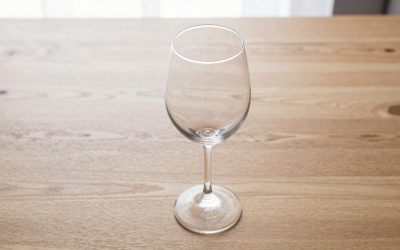
The classic flute is tall and narrow. A small opening keeps bubbles visible for longer as they climb the length of the glass, which makes it attractive at weddings and toasts. The limitation is that a narrow bowl gives the nose little room, so aromas are muted. Reviewers including Forbes mention this specifically when praising the Schott Zwiesel flute for durability but noting it is not best for aromas.
The tulip
The tulip has a wider bowl that narrows toward the rim. Wines Curated describes it as the best shape for sparkling wines because it captures aromas better than a flute and keeps bubbles going longer than a coupe. Sommeliers commonly use tulip-shaped or small white wine glasses for Champagne tastings. If you drink good vintage or grower Champagne, the tulip is the shape most reviewers favor.
The coupe
The coupe is a wide, shallow saucer. It is historic and photogenic and works well for cocktails such as the French 75 or a Champagne cocktail. The wide surface lets carbonation escape fast, so a coupe is a style choice, not a performance one. Wines Curated lists a Riedel coupe, the Veritas, for aged or vintage Champagnes, where gentle bubbles are an advantage.
Material and Durability
Crystal glasses can be very thin, which gives a fine rim and a lighter feel. Tritan crystal, used by Schott Zwiesel, adds titanium or zirconium oxide to make the glass more resistant to chips and scratches. A sommelier quoted by Forbes praised it for durability. If you host often, choose Tritan or a similar machine-made line. If you entertain rarely and hand wash, luxury hand-made lines are an option.
Etched or laser-marked bases, sometimes called nucleation points, are found on many Champagne glasses. The maker states that they create a continuous stream of fine bubbles. Whether the effect is noticeable varies by wine, but it is a feature worth knowing about when comparing similar glasses.
Sizing and Fit Notes
- Capacity: flutes commonly hold roughly 5 to 8 ounces; tulips can hold more. A pour should fill about half to two-thirds of the bowl, so a larger tulip does not mean a larger drink.
- Height: tall flutes may not fit in a standard dishwasher top rack or under cabinet shelves. Measure before buying.
- Stem length: a longer stem keeps the hand from warming the wine but is easier to knock over.
- Sets: sets of two, four, six and twelve are common. For parties, a set of twelve of a durable flute makes sense, while pairs of premium tulips suit regular home use.
- Storage: hang by the bowl or store upright to avoid chipping the rim.
Care Tips
Rinse glasses in warm water with a very small amount of unscented detergent. Strong scents or residue can affect the bubble stream and the aromas. Dry with a clean lint-free cloth. Some sommeliers prefer to avoid rinse aids that can leave a film. If a glass is labeled dishwasher safe by the maker, load it so it cannot touch other items. Thin tulip glasses are safer washed by hand. Never use a glass that has chipped or cracked rims.
Budget Tiers
| Tier | What to expect | Examples |
|---|---|---|
| Budget | Basic flutes, thicker glass, large quantities | Libbey and IKEA flutes noted for cheap flutes |
| Mid-range | Good shape, sturdy materials, dishwasher friendly | Schott Zwiesel Pure and Tritan flutes, Viski Raye |
| Premium | Thin rims, refined shape, better aromatics | Riedel Performance, Riedel Vinum Champagne |
| Luxury | Hand-made, gift quality | Riedel Superleggero |
Pick X If… Decision Table
| Pick | If you |
|---|---|
| Riedel Performance tulip | want the best aroma and bubble balance for good bottles |
| Schott Zwiesel Tritan flute | host often and want durable stems |
| Schott Zwiesel Pure flute | need an everyday mid-price flute for a household |
| Schott Zwiesel Tritan coupe | serve cocktails or want a retro look |
| Viski Raye tulip-style | want a tulip shape at a lower cost |
| Riedel Veritas coupe | drink old vintage Champagne |
| Riedel Superleggero | shop for a luxury gift |
Alternatives to Consider
- A small white wine glass: a well-shaped white wine glass works for Champagne, and some sommeliers prefer it. If you already own a set, try it before buying new ones.
- Universal wine glass: a Zalto Universal or similar thin glass can handle sparkling wine, though a dedicated tulip holds bubbles better.
- Stemless sparkling tumblers: good for picnics and outdoor use, but they warm the wine quickly.
- Acrylic or Tritan plastic flutes: useful for pool areas and events where glass is not allowed.
Matching the Glass to the Occasion
Weddings and large parties favor a durable flute in bulk, because replacement is easy and the tall shape looks right in photographs. A Schott Zwiesel Tritan or Pure flute fits that job, and the material tolerates the rough handling of caterers. Quiet dinners and tastings with a good bottle favor a tulip, where the wider bowl lets a grower Champagne show its fruit, brioche and mineral notes. Brunch and cocktail evenings suit a coupe, particularly when the drink is a mimosa, a French 75 or a Champagne cocktail built over a sugar cube.
Gift buyers should think about how the recipient entertains. A pair of Riedel Performance tulips is a thoughtful gift for someone who already enjoys good sparkling wine. A boxed set of four Tritan flutes suits a new home. A luxury hand-made pair such as Riedel Superleggero is a keepsake for an anniversary, but the recipient should be told it is delicate and best washed by hand.
Common Mistakes to Avoid
- Chilling glasses in the freezer: a frosted glass can kill the bubble stream and dull aroma. A dry room-temperature or lightly cooled glass is usually preferred by tasters.
- Using detergent-scented glasses: residue changes foam. Rinse well.
- Buying by looks alone: a very narrow flute can look elegant but hide the wine’s aroma.
- Ignoring storage space: tall stems need tall shelves.
- Over-pouring: leave space for the bubbles and the nose.
How Many Glasses and Which Quantity
For a small household, a set of four tulips or flutes covers a dinner for two couples. Hosts who toast with a crowd should count guests and add a margin for breakage, then decide whether to rent, buy durable stems or use shatter-resistant plastic for outdoor areas. Remember that sparkling wine bottles pour roughly six glasses each when filled to the recommended level, so the guest list also guides how many bottles to chill. Buying a single design in a larger set keeps the table consistent and makes replacing a broken glass simple later on.
Frequently Asked Questions
Are champagne flutes outdated?
Many sommeliers now prefer tulip-shaped or white wine glasses because they release more aroma. Flutes remain popular because they are elegant and keep bubbles visible. For casual toasting they are perfectly acceptable.
Are coupes bad for Champagne?
Coupes let bubbles and aroma escape quickly, so reviewers generally treat them as a style choice. They are great for cocktails and for aged wines with gentle fizz. For everyday sparkling wine, a tulip or flute holds the carbonation longer.
What glass is best for prosecco?
Prosecco is lighter and more aromatic than most Champagne, so a tulip or small white wine glass shows off its fruit. A flute works too. The Viski Raye angled glasses were recommended as an affordable tulip-style option.
Can champagne glasses go in the dishwasher?
Many Tritan lines are marketed as dishwasher safe, but always follow the care card from the maker. Thin hand-made crystal is better washed by hand. Avoid crowded racks and harsh detergents to prevent chips and cloudiness.
How much should I pour?
Fill to roughly half or two thirds, leaving room for the bubbles and aromas to gather. Pour a little first to let the foam settle, then top up. Overfilling a flute increases spills and warms the wine in the glass.
Do bubbles last longer in certain glasses?
Narrower openings reduce the surface area for carbon dioxide to escape, which is why a flute can look fizzier for longer. Clean glass also matters, since residue or lint can cause bubbles to burst fast. Cold wine in a clean glass is the best way to preserve bubbles.





Write Your Review
No reviews yet. Be the first to share your experience!