

Key takeaways
- Pour size: A tulip glass is designed for a pour that fills the widest part of the bowl, not the whole glass. Filling it leaves no room for aroma to gather.
- Ice size: Tulip and double-walled glasses suit no ice or a few small stones. Rocks glasses suit cubes and spheres.
- Dishwasher: The Glencairn and the Riedel Neat glass are listed as dishwasher safe by their sellers. Even so, delicate crystal can chip or cloud over time in hot cycles, so top-rack, low-heat settings or hand washing protect thin rims.
- Detergent residue: Strong fragrances or rinse aids can leave a film that interferes with aroma. Rinse well and air dry.
- Storage: Store glasses upright and not stacked inside each other, particularly thin crystal.
For neat sipping, the Glencairn tulip glass is the usual first choice, the Libbey Bourbon Trail tasting glass suits beginners who want a wider bowl, the Norlan suits buyers who care about design and a double wall, and a heavy rocks glass from Libbey or Riedel is the better tool for ice and cocktails. The right glass depends on how you drink, not on a single ranking, so this guide sorts the main options by use, budget tier and care needs.
Our top picks



As an Amazon Associate we earn from qualifying purchases at no extra cost to you.
Whiskey Glasses at a Glance
| Glass | Best for | Stated specs | Main limit |
|---|---|---|---|
| Glencairn Glass | Neat tasting, single malt, bourbon | The maker lists 200 ml capacity, 115 x 66 mm, lead-free crystal, dishwasher safe | Narrow mouth, poor fit for large ice; hand warms the bowl |
| Libbey Kentucky Bourbon Trail tasting glass | Newcomers to neat pours, gifting | 8 oz, tulip-shaped bowl, made in the USA, lead-free glass | Less aroma focus than a narrow nosing glass |
| Norlan Whisky Glass | Design-minded sippers, small pours | Double-walled borosilicate, about 5.9 fl oz (175 ml), suggested pour 0.7 to 1.4 fl oz | Thick rim; not for large ice |
| Riedel Drink Specific Neat glass | Neat pours in a refined tumbler | 6 fl oz (17.5 cl), lead-free crystal, dishwasher safe | Premium tier for a simple shape |
| Riedel Drink Specific Double Rocks | Large cubes, old fashioneds | Listed around 12.5 oz, lead-free crystal | Wide mouth lets aroma escape |
| Libbey Heavy Base Rocks (916CD, 917CD) | Everyday ice and cocktails, bar use | 8 oz and 11 oz versions, heavy base | Basic glass, little aroma control |
| Libbey Bourbon Cocktail glass | Spheres and cocktails | 13.5 oz, listed to hold 2.5 inch spheres or 2 inch cubes | Too large for a small neat pour |
How to Choose a Whiskey Glass
Start with the drink. Whiskey glasses fall into three families: tulip or nosing glasses, rocks tumblers (also called old fashioned or double old fashioned glasses), and tall highballs. A sommelier guide at WineTasting.com describes the tulip as a narrow rim above a wider bowl that concentrates aromatics, the rocks glass as a short, heavy-based tumbler with a wider rim that accommodates big ice, and the highball as the tall glass for long drinks. Most buyers need one tulip-style glass and one rocks glass, and that pairing covers nearly every situation.
Three questions narrow the field quickly. Do you drink whiskey neat, with ice, or in cocktails? Do you hand wash or use a dishwasher? Do you want a set of four to six for guests, or a pair for yourself? The answers matter more than any brand ranking.
Best for Neat Sipping: Glencairn
The Glencairn has been made in Scotland since 1981 and is marketed by its maker as the first official whisky glass. The maker lists a 200 ml capacity, a size of 115 x 66 mm, a weight of about 130 g and lead-free crystal construction. Its description says the tapering mouth focuses the aroma toward the nose, and it is listed as dishwasher safe. The short, solid base replaces a stem, which makes the glass stable and hard to tip.
Independent reviewers largely agree on its role. The Whisky School calls it the best all-rounder and the industry standard among nosing glasses, while noting that holding the bowl warms the whisky slightly. The same warmth is a reason some professionals prefer a stemmed copita. For most home drinkers that effect is minor, since a typical pour is finished before it matters.
The trade-off is ice. The narrow rim leaves little room for a large cube, so if you often add ice, pair a Glencairn with a rocks glass instead of forcing it to do both jobs. Because these glasses are inexpensive per piece, buying a set of four to six is a budget-tier decision rather than a premium one.
Best Wider-Bowl Alternative: Libbey Kentucky Bourbon Trail
Libbey sells an 8 oz tasting glass that it presents as the official tasting glass of the Kentucky Bourbon Trail. It has a tulip-shaped bowl, is made in the USA from lead-free glass, and the maker lists it as dishwasher safe in its set listings. Reviewers who compare it with the Glencairn say the wider bowl makes nosing feel more intuitive for people new to neat whiskey, while the narrower Glencairn still tends to win for careful single malt evaluation.
It sits in the budget to mid-range tier, makes an easy gift, and works for bourbon, rye and American single malt. If you are unsure which style you like, this is a forgiving place to start.
Best for Design: Norlan Whisky Glass
The Norlan is a double-walled borosilicate glass. The Whisky School describes the inner wall as shaped like a scientific nosing glass and the outer wall as shaped like a tumbler, with small internal fins meant to agitate the liquid. Norlan lists a capacity of about 5.9 fl oz (175 ml) and a suggested pour of 0.7 to 1.4 fl oz, with a height around 3.7 inches. Some older third-party pages give 6.9 fl oz, so the maker figure is the safer reference.
The double wall keeps the outside of the glass from picking up condensation and keeps the pour looking like it floats. The drawbacks reported by reviewers are the thick rim, which some find distracting when sipping, and the small pour size. It sits at the premium tier and is usually bought in pairs. Hand washing is the careful choice for any double-walled glass unless the maker’s care sheet says otherwise, so follow the instructions that come with the set.
Best for Ice and Cocktails: Riedel and Libbey Rocks
A rocks glass earns its place when ice or mixing is involved. Riedel’s Drink Specific range is made of lead-free crystal, with the Double Rocks listed at roughly 12.5 oz and the Neat glass at 6 fl oz (17.5 cl). Reviewers who favor cocktails often point to Riedel or Waterford rocks glasses for their fit with oversized ice and their refined rim feel.
For durability and value, the Libbey Heavy Base Rocks line is a long-standing bar workhorse. The 916CD holds 8 oz and stands about 3.25 inches tall, and the 917CD holds 11 oz at about 3.5 inches. Soda-lime glass like this is tougher and cheaper than crystal, which suits parties and frequent use, though it offers less clarity and a thicker rim.
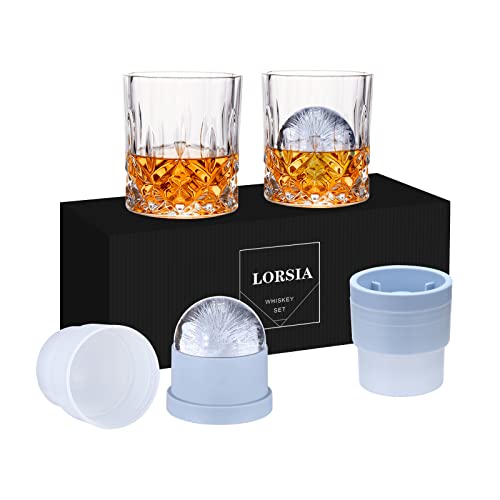
If large spheres are your habit, Libbey’s Bourbon Cocktail glass is listed at 13.5 oz and described as holding 2.5 inch spheres or 2 inch cubes. Measure your ice mold before buying, because many silicone molds produce 2 inch cubes that fit rocks glasses but not tulip glasses.
Crystal vs. Glass: What It Means for You
Crystal glasses generally offer more clarity and a thinner, more refined rim, and they cost more. Standard glass is tougher and cheaper. Several of the products above are described as lead-free crystal, which is the label to look for if you plan to keep whiskey in a glass for more than a short pour. Never store spirits in vintage leaded crystal decanters or glasses for long periods, and if you own older pieces of unknown origin, use them for display rather than drinking.
Fit, Size and Care Notes
- Pour size: A tulip glass is designed for a pour that fills the widest part of the bowl, not the whole glass. Filling it leaves no room for aroma to gather.
- Ice size: Tulip and double-walled glasses suit no ice or a few small stones. Rocks glasses suit cubes and spheres.
- Dishwasher: The Glencairn and the Riedel Neat glass are listed as dishwasher safe by their sellers. Even so, delicate crystal can chip or cloud over time in hot cycles, so top-rack, low-heat settings or hand washing protect thin rims.
- Detergent residue: Strong fragrances or rinse aids can leave a film that interferes with aroma. Rinse well and air dry.
- Storage: Store glasses upright and not stacked inside each other, particularly thin crystal.
Pick X If… Decision Table
| Pick this | If you… |
|---|---|
| Glencairn | drink single malt or bourbon neat and want the standard reference glass in a budget-friendly set |
| Libbey Bourbon Trail tasting glass | are new to neat whiskey, like a wider bowl, or are buying a gift |
| Norlan | want a double-walled, design-forward glass for small, slow pours |
| Riedel Drink Specific Neat or Double Rocks | prefer thin crystal and want a refined tumbler for neat or iced pours |
| Libbey Heavy Base Rocks | want a sturdy, low-cost everyday glass for ice and cocktails |
| Libbey Bourbon Cocktail glass | use large spheres or cubes and make old fashioneds often |
Alternatives Worth Considering
- Copita (stemmed nosing glass): Preferred by many professional blenders, according to The Whisky School, because the stem keeps hands off the bowl. It is more fragile and less casual.
- NEAT glass: Designed with a flared rim intended to let harsh ethanol vapors escape. Reviewers describe it as effective for high-proof whiskey but awkward to drink from and expensive.
- Waterford Lismore double old fashioned: A classic cut-crystal rocks glass in the premium tier, for buyers who want a heritage look and ice-friendly capacity.
Frequently Asked Questions
Does the shape of a whiskey glass really change the taste?
The glass does not change the whiskey, but shape changes what reaches your nose. The Whisky School notes that most of what people call flavor comes from smell, and a bowl that narrows at the top concentrates aroma. Many drinkers find a tulip glass clearer for neat pours, while a rocks glass is simply more practical with ice.
Can I use a Glencairn glass with ice?
You can add a few small cubes, but the narrow rim makes large cubes and spheres a poor fit. For regular ice drinking, a rocks glass is easier to fill, stir and sip from. Many owners keep both styles.
What is the difference between a rocks glass and an old fashioned glass?
They are usually the same shape: a short, wide tumbler with a heavy base. Sizes vary, with smaller versions around 8 oz and double versions near 12 oz or more. The larger double size handles big ice and muddled cocktails more comfortably.
Are whiskey glasses dishwasher safe?
It depends on the maker. The Glencairn and the Riedel Drink Specific Neat glass are listed as dishwasher safe by their sellers, and Libbey lists dishwasher safety for many of its sets. Double-walled glasses and thin crystal are gentler on a hand wash, so follow the care sheet that comes with your set.
Is lead-free crystal worth paying more for?
Lead-free crystal gives better clarity and a finer rim than standard glass, and it avoids the concerns tied to old leaded crystal. It costs more and can be more fragile. If your glasses see rough daily use, a sturdy soda-lime glass is a sensible trade.
How many glasses should I buy?
Buy for how often you host. A pair covers personal use and a gift for one other person. Sets of four to six suit regular guests, and since most of these glasses are sold in multiples, a set also gives a spare when one breaks. If you drink both neat and on ice, split the purchase between tulip and rocks styles instead of buying a single large set of one type.





Write Your Review
No reviews yet. Be the first to share your experience!