

Key takeaways
- Release: a tray that flexes with a deep, tapered cavity releases best. A reviewer who compared several trays reported the W&P Everyday tray as the smoothest, while the Tovolo Perfect Cube was harder to remove despite making more cubes.
- Filling: a tray with a fill line or a spout cuts spills. Sphere molds with a plug opening, like Tovolo’s, fill easily.
- Lids: a lid keeps frost, odors and fingers away from the ice. It also lets you stack trays. W&P Peak and Tovolo Perfect Cube both include lids according to the outlets referenced.
- Dishwasher: top-rack safe silicone is easy to sanitize. Plastic can warp with heat.
For standard cubes with the smoothest release, a W&P Everyday-style silicone tray is the most-cited choice; for slow-melting large cubes in cocktails, the W&P Peak Ice Works steel-framed tray or a Tovolo sphere mold suits better; and if you simply want a lidded stackable tray that stores neatly, Tovolo’s trays are a frequent recommendation. This guide explains the main tray types, the trade-offs between silicone and plastic, and how to fit them in a real freezer.
Our top picks
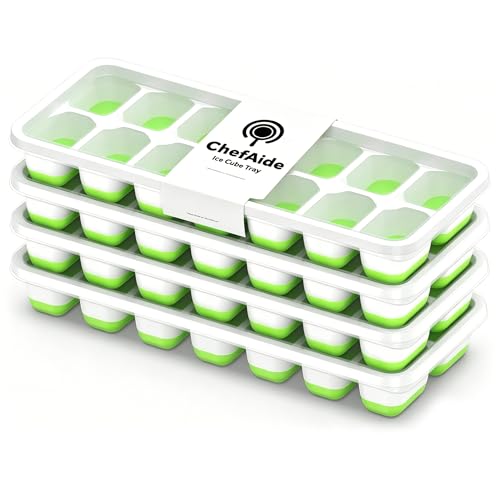

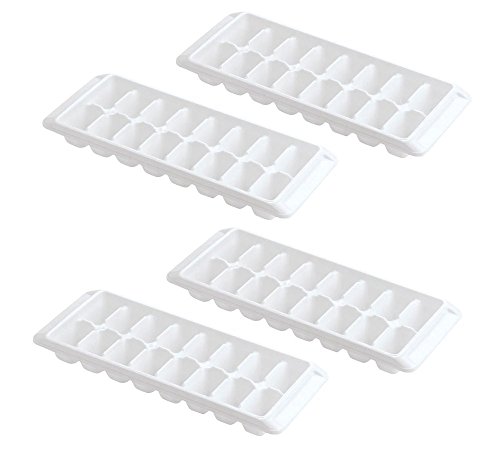

As an Amazon Associate we earn from qualifying purchases at no extra cost to you.
At a Glance: Ice Tray Options
| Tray | Cube type | Best for | Reviewer notes | Limits |
|---|---|---|---|---|
| W&P Everyday Ice Cube Tray | Standard silicone cubes | Everyday water and drinks | One reviewer says it had the smoothest release of those tried | Fewer cubes per tray than some rivals |
| W&P Peak Ice Works | 12 large cubes of about 1.25 inches per a roundup | Cocktails, whiskey, slow melt | Steel-reinforced frame, lid, stackable and dishwasher-safe per reviewer | Takes more freezer space; premium tier |
| Tovolo Perfect Cube | Standard cubes with lid | Storage and stacking | Makes more cubes than the W&P Everyday tray, per a comparison | Cubes are harder to remove, per that comparison |
| Tovolo Sphere Ice Molds | Round ice balls | Whiskey and showpiece cocktails | Called best for spheres because they fill easily and store without spills | Fewer pieces per freeze |
| Tovolo silicone trays (pair) | Standard silicone | Budget multi-pack | BestReviews names it best of the best | Flexible tray can slosh when carried full |
| Souper Cubes | Food portions | Freezing stock and sauces | No ice-tray review found; sold mostly as portion trays | Not a drinks ice product by design |
Material: Silicone, Plastic or Metal
Silicone
Silicone trays flex, so cubes pop out with a push. They are quiet, do not crack in the freezer, and many models are dishwasher-safe. The drawbacks: a floppy tray can spill on the walk from sink to freezer, and silicone can absorb odors from strongly flavored foods in the same freezer. A lid or a rigid frame helps. Choose food-grade silicone, and expect that the maker lists a temperature range in the instructions.
Hard plastic
Rigid plastic trays are cheap and easy to fill and carry. They tend to crack with time, and cubes can stick, requiring a twist or a run under water. Plastic is fine for a rental or spare tray. Look for BPA-free labeling if that matters to you, which is a statement from the maker.
Stainless steel
Metal trays have a long life and conduct cold well, but they can freeze to the shelf and need a lever to release cubes. They are less common now but remain popular with people who avoid plastics.
Cube Size and Shape
Small cubes chill drinks quickly but melt quickly too. Large cubes and spheres have less surface area per volume, so they melt more slowly and dilute a drink less, which is why cocktail bartenders use them. Reviewers reference cubes of around 1.25 inches for the Peak Ice Works tray, while standard trays produce smaller cubes. If you drink water from tall tumblers, a standard cube or a long ice stick for bottles may be best. For whiskey, a two-inch cube or sphere is common.
Clear ice is another interest for cocktail fans. It forms when water freezes directionally and impurities are pushed out. Most basic trays make cloudy ice; clear ice usually needs a directional freezing mold or boiled and filtered water, and results vary.
Release, Filling and Lids
- Release: a tray that flexes with a deep, tapered cavity releases best. A reviewer who compared several trays reported the W&P Everyday tray as the smoothest, while the Tovolo Perfect Cube was harder to remove despite making more cubes.
- Filling: a tray with a fill line or a spout cuts spills. Sphere molds with a plug opening, like Tovolo’s, fill easily.
- Lids: a lid keeps frost, odors and fingers away from the ice. It also lets you stack trays. W&P Peak and Tovolo Perfect Cube both include lids according to the outlets referenced.
- Dishwasher: top-rack safe silicone is easy to sanitize. Plastic can warp with heat.
Fit in the Freezer
Measure the shelf before you buy. A tall tray with a lid needs vertical clearance, and a wide tray with a frame needs a flat, level surface. Ice-maker drawers and slim door-mounted freezers often have shallow shelves. Stacking trays save space, but you must stack them only after the cubes are frozen or the lid is secured. Place the tray where it will not tip if the freezer door is opened quickly.
Freezer Hygiene and Safety
- Use clean, fresh water, and wash trays with warm soapy water every so often.
- Keep trays covered so ice does not pick up smells. Ice absorbs odors from fish, onions and garlic.
- Do not use trays that are cracked, as fragments can break into ice.
- If you freeze food like broth in a portion tray such as Souper Cubes, use that tray for food only and follow the maker’s directions to avoid cross-flavor in drink ice.
- Do not put silicone trays directly on a heating surface or in an oven unless the maker states they are rated for it.
Budget Tiers
| Tier | What you get | Examples |
|---|---|---|
| Budget | Basic plastic or flexible silicone, multiple packs | Tovolo silicone trays, plain plastic trays |
| Mid-range | Better release, lids, stackable designs | W&P Everyday, Tovolo Perfect Cube, Tovolo spheres |
| Premium | Reinforced frames, large cocktail cubes | W&P Peak Ice Works, GGOW large-format trays |
Pick X If… Decision Table
| Pick | If you |
|---|---|
| W&P Everyday tray | want easy release and everyday cubes |
| W&P Peak Ice Works | want stable large cubes for cocktails and whiskey |
| Tovolo Perfect Cube | need a lidded tray and more cubes per batch |
| Tovolo spheres | serve spirits and want a visual effect |
| Tovolo silicone two-pack | want the lowest effective entry cost |
| Souper Cubes | freeze soup or sauce portions instead of drink ice |
Alternatives to Consider
- A countertop nugget or clear ice maker: better for large volumes, but a plug-in appliance requires counter space and regular cleaning.
- Refrigerator built-in ice maker: convenient, but it makes smaller cubes and needs periodic filter changes.
- Directional clear-ice molds: insulated molds that freeze from the top down for clear cocktail cubes. Results depend on freezer temperature.
- Bottle-shaped ice sticks: for water bottles and tall glasses.
Matching the Tray to How You Drink
A household that mostly drinks water and iced tea needs volume and speed, so two or three standard silicone trays with lids make sense. Small cubes fill a pitcher fast and fit a bottle neck. Someone who enjoys whiskey, negronis or old fashioneds is better served by a large-format tray, since a big cube chills with less dilution. People who like to entertain may keep one tray of each type, using small cubes for shaken drinks, where the ice breaks down anyway, and large cubes or spheres for stirred or spirit-forward drinks.
Families with young children may prefer a tray that does not shatter and that does not leave small hard pieces in the freezer. Silicone is a common answer. Smoothie makers sometimes freeze fruit puree or coffee in standard trays, which is a good use for a second, dedicated tray so flavors stay separate.
Common Mistakes to Avoid
- Overfilling: water expands as it freezes, so fill slightly below the rim, particularly in a floppy tray that will be carried.
- Leaving trays uncovered next to strong food: flavors transfer to ice quickly.
- Using a sharp knife to pry cubes loose: this can cut silicone and leave debris in the ice.
- Stacking an unfrozen tray under a heavy one: contents can spill or deform the cavities.
- Keeping very old trays: discolored or sticky silicone and cracked plastic are signs to replace.
How Many Trays Do You Need?
A single standard tray makes only a handful of cubes, which empties quickly. Most households end up using at least two so that one can freeze while the other is in use. Entertainers might keep four or more, or use a freezer bag to store the cubes and refill the tray right away. A lidded, stackable design is useful here because the trays fit in a small footprint and protect the ice. Reviewers who compare trays often mention how many cubes each model produces, so compare yield per batch against your freezer space.
Frequently Asked Questions
Are silicone ice trays safe?
Food-grade silicone is widely used in cookware and the maker states its temperature range and safe use. Buy from reputable brands, avoid trays with a strong chemical smell, and replace any that tear or discolor.
Why does my ice taste like the freezer?
Ice absorbs strong smells. Use a lid, keep strongly scented food sealed, and replace an old freezer deodorizer. Washing the tray and using filtered water also helps.
How do I get cubes out without breaking them?
Let the tray sit for a few seconds at room temperature, then twist or flex a silicone tray. Run cool water over the bottom of a rigid plastic tray briefly. Avoid hot water or metal tools that can crack the tray.
Do large ice cubes really melt slower?
Yes, because a large cube has less surface area compared with its volume. That slows dilution in spirits. The effect is bigger when the drink is chilled first.
How long should I leave water in the tray?
Standard cubes usually freeze in a few hours. Large cubes and spheres often take longer, commonly overnight. Freezer temperature and the water’s starting temperature change the time.
Can I use ice trays for baby food or broth?
Many people do, but use a separate tray labeled for food and follow the maker’s instructions. Portion trays with lids are designed for that. For infant feeding, follow guidance from a pediatrician.









Write Your Review
No reviews yet. Be the first to share your experience!