

Key takeaways
- Check the rim first: tiny chips usually appear at the lip before the body shows wear. Run a clean finger around the edge before buying.
- Inspect the base: an unglazed foot should be smooth enough not to scratch lacquer trays or polished wood.
- Ask about washing: hand-finished metallic decoration and porous surfaces may require hand washing. Do not assume every ceramic set is dishwasher-safe.
- Avoid sudden temperature changes: pouring boiling-hot liquid into a cold cup can stress ceramic and some glass. Warm a ceramic cup with water first if serving hot sake.
- Dry thoroughly: turn cups upside down only after excess water has drained. Trapped moisture under a foot ring can create odors or mark a shelf.
- Store glass with separation: stacking thin glass can cause rim-to-rim impact. Use a shelf divider or store each cup upright.
Best Sake Cup Sets for Japanese Dining
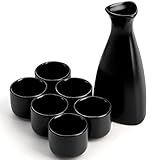
The best sake cup set for Japanese dining is usually a two- or four-cup ceramic set with 60–90 ml cups, a comfortable lip, and a matching carafe or serving flask; choose glass for chilled sake, small ochoko cups for tasting, and larger guinomi cups when texture and aroma matter more than precise pours.
A good set should do more than look Japanese on a dining table. Cup shape affects aroma and sip size, capacity determines how often you refill, and material changes the temperature and tactile character of the sake. The right choice depends on whether you mostly serve hot or chilled sake, drink alone or with guests, and want an everyday set or a piece of tableware with a handcrafted feel.
Our top picks


As an Amazon Associate we earn from qualifying purchases at no extra cost to you. Ratings are shown as listed on Amazon.
Quick comparison: which sake cup set fits your table?
| Set type | Typical cup capacity | Typical cup weight | Best serving temperature | Key advantage | Usual market range |
|---|---|---|---|---|---|
| Small ceramic ochoko set | 30–60 ml | 70–130 g | Chilled, room temperature, or warm | Classic proportions and controlled pours | $25–$70 |
| Medium ceramic guinomi set | 70–120 ml | 120–220 g | Chilled or room temperature | Richer tactile feel and wider aroma opening | $40–$140 |
| Thin glass set | 60–100 ml | 50–120 g | Well chilled | Shows clarity and suits modern tableware | $20–$90 |
| Thermal or double-wall glass set | 70–100 ml | 80–160 g | Chilled | Slower warming with a cool outer surface | $35–$110 |
| Ceramic carafe with four cups | 60–90 ml per cup | Carafe: 250–400 g | Room temperature or warm | Efficient serving for a small group | $45–$160 |
Capacities are useful reference points rather than fill targets. Sake cups are generally filled to about two-thirds or three-quarters of their nominal volume, leaving room to lift the cup without spilling and allowing aromas to gather above the liquid.
How cup shape changes the drinking experience
Ochoko: the versatile small cup
Ochoko cups are short, relatively narrow sake cups traditionally associated with small pours. Their compact shape works well at a shared meal because the sake can be consumed before it warms substantially. A 40–60 ml ochoko is also easy to coordinate with small plates, grilled dishes, and bowls without taking over the place setting.
Choose a gently flared rim if you want sake to reach the front of the palate with less effort. A straighter, narrower rim gives a more concentrated sip and often feels more formal. Very straight-sided cups can be less comfortable if the lip is thick or sharply finished, so inspect the rim as carefully as the decoration.
Guinomi: wider, more tactile, and better for sipping
Guinomi cups are usually wider and deeper than ochoko cups. Their larger opening helps aromatic sake express itself, while the extra capacity supports slower sipping. They are particularly suitable for junmai, aged, or fuller-bodied styles served at room temperature.
The trade-off is temperature control. A broad 100 ml cup exposes more liquid to the air, so chilled sake can warm faster. It can also encourage generous pours that make a meal feel less measured. For one person, a 70–90 ml guinomi is often a more practical compromise than a very large cup.
Flat or shallow cups
Shallow cups make a small pour look generous and provide a broad aroma surface. They are attractive for tasting several sakes side by side, but they offer less protection from spills and can warm quickly. They suit deliberate tasting better than crowded everyday dining.
Ceramic versus glass: the head-to-head choice
Ceramic
Ceramic is the safest all-purpose choice for Japanese dining. It blocks light, feels substantial in the hand, and softens the visual contrast between sake and dishes. Stoneware retains warmth better than thin glass, making it useful for gently warmed sake. Porcelain is typically lighter and more refined, but it may feel cooler and less substantial.
Glazes also change the experience. A smooth glaze is easy to clean and comfortable against the lips. Unglazed or textured areas provide grip and a handmade feel, though they can retain traces of sake if the surface is very porous. Speckled, matte, and irregular glazes coordinate naturally with wooden trays, lacquerware, and earthenware plates.
Glass
Glass is the stronger choice for chilled sake and contemporary table settings. It reveals color and clarity, feels light in the hand, and pairs neatly with clear glass plates or minimalist porcelain. Thin glass gives the cleanest lip contact, but it is more vulnerable to chips at the rim.
Double-wall glass reduces the warming effect of your hand and prevents condensation from making the outside slippery. It does not make sake immune to temperature change: the open top still allows heat exchange. Its main benefit is handling comfort and slower warming during a leisurely meal.
| Decision factor | Better choice | Why |
|---|---|---|
| Mostly warm sake | Medium-weight ceramic | Retains heat and feels comfortable with a warm pour |
| Mostly chilled sake | Thin or double-wall glass | Maintains a cool impression and displays the sake |
| Frequent dishwasher use | Thick, fully glazed ceramic or dishwasher-rated glass | More forgiving of repeated washing |
| Small dining table | 60–80 ml stackable cups | Reduces clutter and limits oversized pours |
| Formal gift or special meals | Hand-finished ceramic set | Offers stronger tactile and visual character |
Decision matrix by drinking situation
| Your situation | Recommended set | Ideal specification | Reasonable budget |
|---|---|---|---|
| New to sake and want one dependable set | Four small ceramic cups with carafe | 60–90 ml cups, 250–300 ml carafe | $45–$90 |
| Mostly drink chilled sake alone | Two glass cups | 70–90 ml capacity, thin or double-wall body | $25–$80 |
| Host dinners for four or more | Four or six medium ceramic cups | 80–100 ml cups, 300–400 ml carafe | $60–$160 |
| Have limited cabinet space | Stackable ochoko set | 30–60 ml cups, nested or compact storage | $25–$70 |
| Care about handmade texture | Individual guinomi-style ceramic cups | 70–120 ml, stable foot, smooth drinking rim | $70–$200 |
Capacity: a small calculation that prevents the wrong purchase
Suppose four diners will each have two pours. At a practical 75 ml fill, the group needs:
4 diners × 2 pours × 75 ml = 600 ml
A 300 ml carafe therefore needs to be refilled once, while a 500 ml carafe leaves the host short by about 100 ml. If the set is intended for a single person having three small pours, two 60 ml cups are sufficient; a four-cup set may add cost and storage without adding useful capacity.
For a shared meal, cup count matters more than maximum cup size. Four 60–80 ml cups encourage a steady rhythm and allow different guests to compare pours. Two 120 ml cups may look generous but can make a single bottle of sake disappear quickly.
Coordination with Japanese tableware
Match visual weight rather than trying to make every piece identical. Dark or heavily textured ceramic cups work well with natural wood, black lacquer, and earthy stoneware. White porcelain and clear glass complement pale plates, blue-and-white patterns, and modern stainless-steel serving pieces.
Keep the cup proportionate to the rest of the setting. A large guinomi can overwhelm a small rice bowl, while a tiny ochoko may look lost beside a large platter. Sets with a restrained glaze and one accent color are easier to combine with changing dishes than highly patterned cups.
Ownership details that affect value
- Check the rim first: tiny chips usually appear at the lip before the body shows wear. Run a clean finger around the edge before buying.
- Inspect the base: an unglazed foot should be smooth enough not to scratch lacquer trays or polished wood.
- Ask about washing: hand-finished metallic decoration and porous surfaces may require hand washing. Do not assume every ceramic set is dishwasher-safe.
- Avoid sudden temperature changes: pouring boiling-hot liquid into a cold cup can stress ceramic and some glass. Warm a ceramic cup with water first if serving hot sake.
- Dry thoroughly: turn cups upside down only after excess water has drained. Trapped moisture under a foot ring can create odors or mark a shelf.
- Store glass with separation: stacking thin glass can cause rim-to-rim impact. Use a shelf divider or store each cup upright.
Decoration may fade or scratch before the cup itself becomes unusable, especially with metallic accents or abrasive cleaners. A plain glazed set often delivers better long-term value for daily use, while an irregular handmade set is worth choosing for its character rather than expecting every cup to match perfectly.
Final recommendation
For most households, choose a four-piece ceramic ochoko set with 60–90 ml cups and a 250–350 ml carafe. It handles warm, room-temperature, and chilled sake, coordinates with traditional Japanese tableware, and keeps portions manageable. Choose thin or double-wall glass instead when chilled sake is your priority, and step up to wider guinomi cups when aroma, tactile weight, and slow sipping matter more than compact storage or heat retention.





Write Your Review
No reviews yet. Be the first to share your experience!