

Key takeaways
- Stable bases: A wide, flat carafe base reduces tipping when the table is crowded.
- Controlled spouts: A defined pouring lip helps prevent drips, especially with fuller carafes.
- Comfortable weight: A carafe weighing roughly 12–24 ounces empty is substantial without becoming tiring to lift repeatedly.
- Rim thickness: Very thin cup rims feel elegant but chip more easily and may be uncomfortable in a busy setting.
- Glaze quality: Smooth, fully covered interiors resist staining and make residue easier to rinse away.
- Tray clearance: If the set includes a tray, check that the cups sit securely rather than sliding when the tray is carried.
The best sake serving set for entertaining is a 1.5- to 2.0-liter set with two or more carafes, 10- to 12-ounce total cup capacity, a stable tray, and dishwasher-safe construction; smaller ceramic sets suit intimate dinners, while glass or large-capacity sets work better for parties.
The right choice depends less on decoration than on how many people you serve, whether guests will drink one sake or several, and how much washing you want after dinner. A traditional set may include one tokkuri carafe and two ochoko cups. That format looks refined but requires frequent refills. Entertaining sets with multiple carafes and larger cups are more practical for a group.
Our top picks


As an Amazon Associate we earn from qualifying purchases at no extra cost to you. Ratings are shown as listed on Amazon.
Best sake serving sets by entertaining situation
| Situation | Recommended set | Useful capacity | Why it works | Main compromise |
|---|---|---|---|---|
| Two to four guests | One ceramic carafe and four matching cups | Carafe: 10–14 fl oz; cups: 2–3 fl oz each | Compact, attractive, and easy to place beside a dinner setting | Requires refilling during a longer meal |
| Four to six guests | Two matching carafes and six cups | Total carafe volume: 20–28 fl oz | Allows two sakes or keeps one carafe chilled while the other is served | More pieces to wash and store |
| Six to ten guests | Large glass carafes or a 10-piece set | Total carafe volume: 32–48 fl oz; cups: 3–4 fl oz | Fewer interruptions and easier volume monitoring | Glass shows fingerprints and may be less forgiving if knocked over |
| Mixed-temperature tasting | Two small carafes with distinct designs or labels | Each carafe: 8–12 fl oz | Keeps chilled and warmed sake separate and prevents flavor confusion | Small carafes empty quickly |
| Outdoor or frequent use | Thick-walled glass or durable stoneware set | Carafe: 12–20 fl oz; cups: 2–3 fl oz | Better resistance to ordinary handling and replacement is simpler | Usually heavier than fine porcelain |
How much sake does a serving set need?
A conventional sake pour is often around 1.5 to 2 fluid ounces, although guests may pour more generously into a larger cup. For six people having three pours each, the calculation is:
6 guests × 3 pours × 2 fl oz = 36 fl oz.
That means one 12-ounce carafe is undersized for the occasion, even if the set technically serves six. Choose at least 36 ounces of combined carafe capacity, or keep a second bottle available for refilling. For a relaxed dinner rather than a tasting, allow approximately 6 to 8 fluid ounces per guest.
Carafe volume is not the same as usable serving volume. Leaving roughly 10 percent of a carafe empty reduces splashing and makes pouring easier. A 16-ounce carafe therefore provides about 14.5 ounces of comfortable service, not a full 16 ounces.
Head-to-head: ceramic, glass, and lacquered serving sets
Ceramic and stoneware
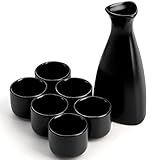
Ceramic is the traditional-looking choice and often the best all-purpose option for a dining table. Its opacity hides sediment or color differences, while a heavier base feels secure during pouring. Stoneware is generally more resistant to everyday knocks than thin porcelain, but it can chip at the rim or spout. Inspect the pouring lip and cup edges first: these are the areas most likely to suffer damage.
Choose ceramic when appearance, warmth, and table stability matter more than seeing the sake. Look for a lead-free food-contact glaze, a smooth interior, and clear care instructions. Avoid assuming that a glazed ceramic set is oven-, microwave-, or dishwasher-safe; those properties vary by product.
Glass
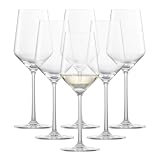
Glass makes it easy to distinguish clear, cloudy, pale, or amber sake and to monitor how much remains. It also suits modern tableware and tasting parties. Thick borosilicate or soda-lime glass can be durable enough for regular use, but delicate spouts and narrow necks remain vulnerable to impacts.
Glass is usually the better choice for serving several varieties because guests can see which carafe contains which sake. The drawback is cleanup: fingerprints, water spots, and lipstick marks are more visible, and narrow carafes may require a long-handled brush.
Lacquered wood and decorative finishes
Lacquered wood or wood-accented sets provide a formal appearance and can make a compact service look distinctive. They need more careful ownership, however. Decorative trays may not tolerate soaking, and exposed wood should not be left wet. Use these sets when presentation is central and you are willing to hand-wash and dry each piece promptly.
Matching designs versus mixed sets
Matching carafes and cups create a coherent table and make it easier for guests to identify the correct cup. This is especially useful when the set includes a tray or when you are serving a formal meal. Matching pieces also simplify replacement because you can look for the same pattern and dimensions.
Mixed designs can be more functional for a tasting. Use one color, shape, or label for each sake, particularly when serving chilled and warmed selections at the same time. The safest mixed arrangement keeps the capacities similar; guests should not have to guess whether a tiny cup is intended for a different serving size.
For a large group, prioritize consistent cup capacity over perfect visual matching. Eight identical 3-ounce cups are more useful than four decorative cups that require constant sharing.
Durability details that matter after the first dinner
- Stable bases: A wide, flat carafe base reduces tipping when the table is crowded.
- Controlled spouts: A defined pouring lip helps prevent drips, especially with fuller carafes.
- Comfortable weight: A carafe weighing roughly 12–24 ounces empty is substantial without becoming tiring to lift repeatedly.
- Rim thickness: Very thin cup rims feel elegant but chip more easily and may be uncomfortable in a busy setting.
- Glaze quality: Smooth, fully covered interiors resist staining and make residue easier to rinse away.
- Tray clearance: If the set includes a tray, check that the cups sit securely rather than sliding when the tray is carried.
The first parts that commonly show wear are cup rims, carafe spouts, painted decoration, and tray surfaces. Felt or silicone pads under a tray can reduce scratching, but do not place a hot carafe on a material unless the manufacturer permits it.
Cleanup: the overlooked buying criterion
For the easiest cleanup, select wide-mouth carafes and cups without deep interior ridges. A narrow-neck vessel may look traditional but can trap sake residue near the shoulder. Rinse pieces soon after serving, wash with mild dish soap, and dry upside down only where air can circulate. Do not seal a damp carafe for storage; stale moisture can create an unpleasant odor.
Dishwasher-safe pieces are convenient for large gatherings, but check whether the design, metallic trim, painted pattern, and tray are included in that rating. Place cups securely in the upper rack and keep carafes away from contact with heavy cookware. Hand-washing is safer for gold or silver decoration, unsealed wood, and fragile glass.
Never use abrasive powder or a metal brush on a glazed surface. For a persistent odor, soak compatible glass or ceramic pieces in warm water with a small amount of baking soda, then rinse thoroughly. Avoid putting a rapidly chilled or heated glass carafe through a sudden temperature change, which can cause thermal shock.
Buying recommendations by budget and storage space
| Budget and space | Best configuration | Typical market range | Best for |
|---|---|---|---|
| Lower budget, limited cabinet space | One 10–14-ounce stoneware carafe and four stackable cups | About $25–$60 | Occasional dinners for two to four people |
| Mid-range, regular entertaining | Two 12–16-ounce ceramic or glass carafes and six cups | About $60–$140 | Four to six guests and side-by-side varieties |
| Higher budget, frequent hosting | Two or three substantial carafes, eight to ten cups, and a durable tray | About $140–$300 or more | Large groups, tastings, and formal table settings |
Before buying a large set, measure the shelf height and tray footprint. A service tray measuring approximately 12 by 8 inches can occupy more cabinet space than the individual pieces suggest. If storage is tight, choose stackable cups and carafes with similar diameters rather than tall, narrow shapes that cannot nest safely.
What to choose
Choose a compact ceramic set if you usually host two to four people and value traditional presentation. Choose two medium carafes with six matching cups for the most flexible setup: it handles a normal dinner, supports two sake varieties, and avoids constant refilling. For six or more guests, prioritize at least 32 ounces of combined carafe capacity, durable materials, and cups of consistent size. If cleanup is your deciding factor, wide-mouth glass or dishwasher-safe stoneware will usually serve you better than a delicate decorative set.





Write Your Review
No reviews yet. Be the first to share your experience!