

Our Short List of 3
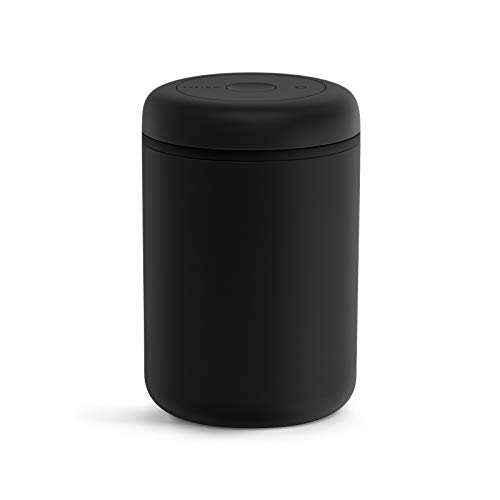
- 1.2 liter capacity holding up to 16 oz of whole bean coffee; stainless steel body with matte black finish; twist-to-vacuum lid with integrated pump, vacuum lock indicator, and button release.

- 1.85 liter capacity holding a full 1 lb of coffee; patented push-button vacuum seal lid; food-safe plastic body in black.
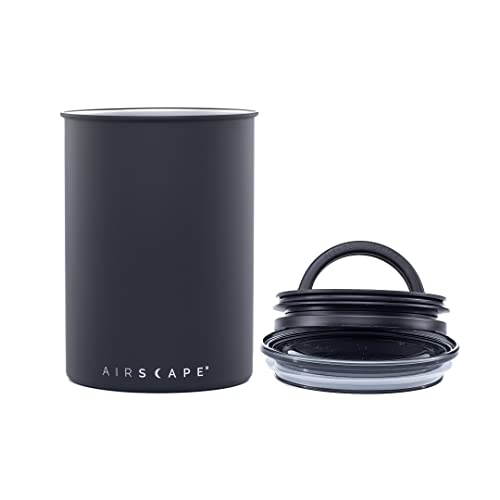
- Stainless steel body; patented inner plunger lid with two-way valve; 64 fl oz medium size holding roughly 1 lb of whole beans; matte black finish.
All 5 Picks at a Glance
| Product | Specs | Action |
|---|---|---|
| 1. Fellow Atmos Vacuum Canister (1.2 L, Matte Black) |
| Check price on Amazon |
| 2. Tightpac Coffeevac 1LB Vacuum Container (Black) |
| Check price on Amazon |
| 3. Planetary Design Airscape Stainless Steel Coffee Canister (Medium, Matte Black) |
| Check price on Amazon |
 4. Friis Stainless Steel Coffee Vault (16-Ounce, Black) |
| Check price on Amazon |
 5. Veken Coffee Canister (16 oz, Gray) |
| Check price on Amazon |
Our Top Picks
As an Amazon Associate, I earn from qualifying purchases made through links in this article, at no extra cost to you.
Introduction
Coffee starts losing its character the moment the bag is opened. Oxygen is the main culprit: it dulls aromatics, flattens sweetness, and turns a lively roast stale within a couple of weeks. Light, heat, and moisture speed up the decline, and freshly roasted beans complicate things further by releasing carbon dioxide that needs somewhere to go. A standard airtight jar slows the damage, but it seals in the very air you want to keep away from the beans, so every opening lets a fresh supply of oxygen rush in to sit on top of your coffee.
Vacuum canisters attack the problem directly by removing air instead of merely trapping it. Some use a twisting lid to draw out oxygen and hold a genuine vacuum. Others use a plunger that physically pushes air out as the bean level drops, and the best valve designs let carbon dioxide escape while blocking oxygen from returning. Each approach suits a different routine, from the slow weekend drinker protecting an expensive bag to the household that works through a pound a week.
This guide compares five proven canisters: two true vacuum designs, one plunger canister, and two valve canisters that many coffee drinkers choose as practical vacuum alternatives. Every pick is sized for real bags of coffee and honest about what its sealing method can and cannot do.
How to Choose
Start with the sealing method, because it decides how much oxygen your beans live with. A true vacuum canister, such as a twist-to-vacuum or pump design, removes most of the air and gives the longest protection, which matters most if a bag lasts you three weeks or more. A plunger canister removes air mechanically each time you close it, so protection stays consistent even as the contents shrink. A valve canister is airtight rather than vacuum, but its one-way valve solves the degassing problem elegantly and works well for coffee finished within a couple of weeks.
Capacity comes next. A standard retail bag is 12 ounces, and many specialty bags are a full pound, so look for a canister that holds at least that much whole bean coffee without forcing you to leave the overflow in the bag. Remember that whole beans take up more room than ground coffee, and a canister filled to the brim seals and performs better than one mostly empty, so match the size to your buying habits rather than buying the largest option.
Material affects both freshness and upkeep. Stainless steel and tinted or opaque bodies block light completely and resist absorbing old coffee oils. Glass looks attractive and lets you see the bean level, but it should be kept in a cupboard away from sunlight. Plastic bodies are light and durable, though they can hold onto strong odors over time.
Finally, think about daily handling. You will open this canister every morning, so the lid action matters: twisting pumps, push buttons, and plungers all become second nature, but valves that need scheduled replacement add a small ongoing chore. Date trackers and included scoops are small features that make a canister pleasant to live with.
The 5 Best Vacuum Canisters for Coffee
1. Fellow Atmos Vacuum Canister (1.2 L, Matte Black)
- 1.2 liter capacity holding up to 16 oz of whole bean coffee; stainless steel body with matte black finish; twist-to-vacuum lid with integrated pump, vacuum lock indicator, and button release.
The Atmos is the benchmark for true vacuum coffee storage. Its pump hides inside the lid: set the lid on the canister, twist it back and forth, and air is drawn out until a small indicator dot on the lid shows a green ring, confirming the vacuum has taken hold. Opening it is just as simple, with a button on the lid that lets air back in so the top lifts off without a struggle. There are no batteries, no cords, and no separate pump to store or lose.
Because the vacuum actively removes oxygen rather than limiting it, beans keep their brightness noticeably longer than in a plain airtight jar, which makes the Atmos a smart home for slower drinkers and for a second, special bag opened only on weekends. The steel body shuts out light entirely. Like every vacuum seal, this one relaxes very slowly over time, so a quick re-twist every few days keeps it at full strength.
Pros:
– Genuine vacuum storage with a clear visual seal indicator
– Pump built into the lid, with nothing extra to store
– Button release makes opening effortless
Cons:
– Vacuum benefits from an occasional re-twist
– Ground coffee can clog the valve if overfilled
2. Tightpac Coffeevac 1LB Vacuum Container (Black)
- 1.85 liter capacity holding a full 1 lb of coffee; patented push-button vacuum seal lid; food-safe plastic body in black.
The Coffeevac has earned a loyal following by making vacuum sealing almost thoughtlessly simple. Fill the container, hold the button on the lid, and press the top down: air is expelled and a partial vacuum seal forms. Press the button again and the lid lifts free. There is nothing to twist, pump, charge, or replace, and the motion takes about two seconds once it becomes familiar.
The black body blocks light, and the generous one-pound capacity swallows a full bag of beans with headroom to spare. The seal also traps odors inside, which makes the Coffeevac a flexible container for tea and other dry goods. The plastic build keeps it light and immune to dents if it slides off the counter. Its vacuum is partial rather than the deep vacuum of the Atmos, and plastic can slowly pick up strong smells, but as an everyday workhorse it balances capacity, simplicity, and freshness very well.
Pros:
– Push-button vacuum seal anyone can master instantly
– Full one-pound capacity fits an entire bag
– Lightweight body that will not dent or chip
Cons:
– Partial vacuum rather than a full vacuum seal
– Plastic can retain odors over time
3. Planetary Design Airscape Stainless Steel Coffee Canister (Medium, Matte Black)
- Stainless steel body; patented inner plunger lid with two-way valve; 64 fl oz medium size holding roughly 1 lb of whole beans; matte black finish.
The Airscape removes air by displacement rather than suction. Its inner lid is a plunger that you press down until it rests directly on the coffee, forcing excess air out through a two-way valve as it descends. When you take beans out, you simply push the plunger down to the new level, so the coffee is always stored with the minimum possible air around it rather than an ever-growing pocket of oxygen.
That consistency is the design’s real strength, because a half-empty vacuum canister still holds air, while the Airscape’s protection is the same on the last day as the first. The two-way valve also gives very fresh beans room to release carbon dioxide without inviting oxygen in. The stainless steel body blocks light completely and does not hold onto stale oils or odors the way some plastics can. For people who buy fresh beans weekly and want the final cup to taste close to the first, this is a compelling system.
Pros:
– Plunger removes air instead of sealing it in
– Protection stays consistent as the bean level falls
– Opaque stainless steel blocks light and resists odors
Cons:
– Lid parts are best washed by hand
– Plunger needs a firm, even press to seat properly
4. Friis Stainless Steel Coffee Vault (16-Ounce, Black)
- Stainless steel canister with BPA-free polymer lid; 16-ounce capacity; patented one-way freshness valve in the lid, replaced about every two months.
The Friis Coffee Vault is one of the longest-running designs in coffee storage, built around the four enemies of freshness: air, moisture, light, and the carbon dioxide that beans give off. The steel body shuts out light, the lid seals against air and moisture, and a one-way freshness valve in the lid lets carbon dioxide vent outward without letting anything travel back in. It is an airtight valve canister rather than a vacuum model, and it is included here because it solves the degassing half of the freshness problem better than many vacuum designs do.
The valve is a consumable, and Friis recommends swapping it roughly every two months, with replacements sold in packs. In return for that small upkeep, the vault is especially kind to very fresh beans that are still actively degassing, which can push against and weaken a vacuum seal. The 16-ounce size matches a standard bag of coffee neatly, and the canister feels sturdy without being heavy.
Pros:
– One-way valve vents carbon dioxide while blocking air
– Sized neatly for a standard bag of coffee
– Durable, proven stainless steel construction
Cons:
– Freshness valves need regular replacement
– No window or date tracker on the lid
5. Veken Coffee Canister (16 oz, Gray)
- Stainless steel body in gray; 16-ounce capacity; one-way CO2 valve with silicone seal; rotating date tracker in the lid; stainless steel scoop included.
Veken’s canister is designed around how households actually use coffee storage: fill it, scoop from it every morning, and try to remember when the beans went in. The lid carries a rotating date tracker, so when you pour in a fresh bag you dial in the date and stop guessing a week later. A one-way valve lets carbon dioxide escape while a silicone seal keeps air and moisture out, giving it the same valve-based freshness approach as the Friis in a more convenience-focused package.
The included stainless steel scoop keeps measuring consistent. The gray steel body blocks light and hides fingerprints far better than polished finishes. Like the Friis, this is an airtight valve design rather than a true vacuum, so it removes less oxygen than the Atmos or the Airscape. For coffee finished within a couple of weeks, though, the valve, seal, and date tracking cover the essentials, and the tracker alone prevents the most common freshness mistake of all, simply losing track of time.
Pros:
– Date tracker on the lid removes the guesswork
– Carbon dioxide valve plus silicone seal for freshness
– Scoop included in the box
Cons:
– Airtight rather than vacuum, so less suited to long storage
– Date dial only helps if you remember to set it
Frequently Asked Questions
How long do beans stay fresh in a vacuum canister?
Whole beans in a vacuum canister kept away from heat and light generally taste their best for about three to four weeks after roasting, noticeably longer than in a basic airtight jar. Ground coffee fades much faster even under vacuum, usually within one to two weeks, so grind in small amounts as you go whenever you can.
Is a vacuum canister better than an airtight canister for coffee?
For storage beyond a week or so, yes, because vacuum storage removes oxygen instead of sealing it in with the beans. The gap is small if you finish a bag within days, but it grows with slower use and pricier beans. Valve canisters remain a big step up from the original bag and handle very fresh, degassing beans particularly well.
Can I store ground coffee in a vacuum canister?
You can, and it will stay fresher than in a bag or plain jar, but keep the fill level below the lid mechanism, because fine grounds can be drawn into valves and seals. Wipe the rim before closing so the seal seats fully, and expect a shorter prime window than whole beans no matter which canister you choose.
How do I clean a vacuum coffee canister?
Empty it fully, wash the body with warm water and mild dish soap, rinse well, and dry it completely before refilling, since leftover moisture harms fresh beans. Wipe lids, seals, plungers, and valve parts with a damp cloth rather than soaking them, and clear old coffee oils with a quick wipe between bags so flavors stay clean when you change roasts.
Conclusion
The right canister depends on how fast you drink and how fresh your beans are when they arrive. For a genuine vacuum with visual confirmation, the Fellow Atmos is the polished pick. The Tightpac Coffeevac delivers simple push-button vacuum storage with room for a full pound, while the Planetary Design Airscape keeps protection constant by pushing air out as the level drops. The Friis Coffee Vault and the Veken canister take the valve route, venting carbon dioxide and adding proven, low-fuss freshness for coffee finished within a couple of weeks.
Whichever style fits your counter, the principles are the same: keep oxygen away from the beans, keep light out, let carbon dioxide escape, and match the capacity to your buying habits. Do that, and the last scoop from the canister will taste the way the first one did.
More from Amazon
Programs that pair well with the guide above. Offers and eligibility are set by Amazon and may change.
Collect the home and kitchen items you want in one registry that guests can shop from.
Create a wedding registrySet up recurring deliveries of everyday items on eligible products. Terms and savings are set by Amazon.
Explore Subscribe & SaveFree shipping on eligible items, Prime Video and more. Eligible new members can start with a free trial.
Start a Prime free trialAudiobooks and podcasts to listen to on the go. Eligible new members can start with a free trial.
Try Audible freeAs an Amazon Associate we earn from qualifying purchases.
Write Your Review
No reviews yet. Be the first to share your experience!