

Key takeaways
- Up to 12 bottles: a countertop or compact unit for a few bottles on rotation.
- 24 to 40 bottles: the sweet spot for dual-zone freestanding units and undercounter models.
- 45 bottles and up: a collector tier, where compressor quality, shelf strength and vibration matter more.
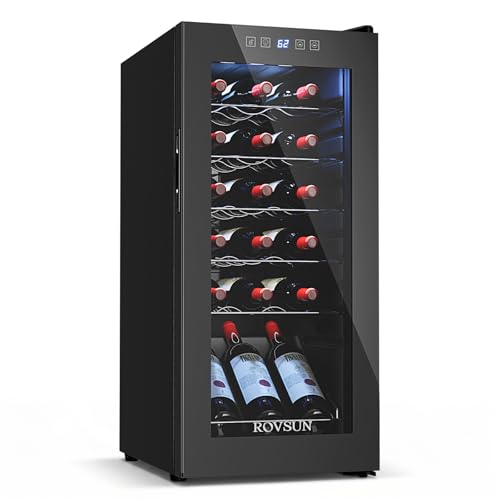
For most households that keep wine for a few months at a time, a dual-zone freestanding compressor unit in the 30 to 40 bottle range is the safest pick, while small apartments suit a 12-bottle thermoelectric cooler and serious collectors should look at a single-zone cellar-style unit built for long-term aging. Reviewers who rank wine fridges in 2026 keep returning to a short list of names: Wine Enthusiast, Kalamera, NewAir, Vinotemp, Danby and GE, with EuroCave at the luxury end. This guide explains what each type is good at, how to size one, and which buyer each option fits.
Our top picks



As an Amazon Associate we earn from qualifying purchases at no extra cost to you.
At a Glance: Wine Cooler Options by Buyer
| Option | Best for | Reported capacity | Main limit |
|---|---|---|---|
| Wine Enthusiast 32-Bottle Dual Zone MAX | Most home users wanting separate red and white zones | 32 bottles (name) | Premium-leaning cost for the size |
| Kalamera 24-inch 37-Bottle Dual Zone | Built-in or freestanding kitchen installs | 37 bottles (name) | Needs a 24-inch opening if built in |
| Kalamera 12-Bottle | Small spaces, counters, dorm or studio | 12 bottles (name) | Outgrown quickly by regular buyers |
| Kalamera 50-Bottle | Larger collections without a cellar | 50 bottles (name) | Bigger footprint and noise from the compressor |
| NewAir 24-inch 46-Bottle Dual Zone | Large capacity at a mid-range tier | 46 bottles (name) | Reviewed.com found the similar AWR-460DB ran a little warm |
| NewAir NWC029SS01 | Budget buyers wanting 29 bottles | 29 bottles (name) | Single-zone simplicity, plainer finish |
| Danby 36-Bottle | Value pick per Food Network | 36 bottles (name) | Fewer extras |
| GE 31-Bottle | Buyers who want a major appliance brand | 31 bottles (name) | Cost relative to capacity |
| EuroCave La Premiere S | Long-term aging of a serious collection | Varies by model | Luxury tier |
Capacity figures above come from the model names used in roundups by Food Network, Reviewed.com, 12×75 and others. Always read the maker’s spec sheet for the real bottle count, because manufacturers usually quote capacity for standard Bordeaux-style bottles with the shelves in a specific arrangement. Wide-shouldered Burgundy, sparkling and magnum bottles often take more room.
Wine Cooler vs Wine Fridge vs Beverage Center
The terms overlap, and shopping pages use them loosely. A wine cooler or wine fridge is built to hold wine at serving or cellaring temperatures, typically warmer than a kitchen refrigerator and with less temperature swing. A beverage center is a general drinks fridge that may reach colder settings for beer, soda and sparkling water, with shelves that suit cans. Some roundups, such as The Consumers Guide, put both in the same list, so read the temperature range before assuming a unit is right for wine.
Many people confuse the product with the drink called a wine cooler, which is a wine and juice mix. This guide covers the appliance only.
Cooling Technology: Thermoelectric or Compressor
Thermoelectric units use a solid-state cooling plate and a fan. They are quiet and have no vibration from a compressor, which is why they are common in small countertop models. Their limitation is that they cool relative to the room: in a warm room or a hot garage they may struggle to reach the set temperature. Most makers state an operating ambient range, so confirm that range matches your space.
Compressor units work like a miniature refrigerator. They hold temperature more reliably in a warm kitchen and are the usual choice above about 20 bottles. They produce more sound and some vibration, though reviewers generally describe modern models as acceptable in an open-plan room. If the unit will live in a bedroom or a quiet study, compare the decibel figure when the maker lists one.
Single Zone or Dual Zone
A single-zone cooler holds the whole interior at one temperature. This suits buyers who mostly drink one style, or who want a simple cellaring unit set to a steady cool point. A dual-zone model splits the cabinet so one section can run cooler for whites and sparkling and the other warmer for reds. Dual-zone is the format that most 2026 roundups favor for general households, which is why the Wine Enthusiast 32-bottle and the Kalamera 37-bottle lead many lists. The trade-off is that the zones are separated by a divider that reduces usable space, and the zone settings can influence each other slightly. Kalamera is credited by The Consumers Guide with tight zone accuracy of about one degree Fahrenheit, but that figure comes from the reviewer, so treat it as a claim to compare against the maker’s own stated range.
What Reviewers Say About Specific Models
Wine Enthusiast 32-Bottle Dual Zone MAX
Food Network names this its best overall wine fridge, and Reviewed.com ranks a Wine Enthusiast dual-zone model first among those it evaluated for temperature performance, capacity and build. It is a freestanding unit and the usual recommendation for a general buyer who wants reds and whites ready at once.
Kalamera 12, 37 and 50 Bottle Models
Kalamera shows up across the size range. The Consumers Guide calls the 24-inch 37-bottle its best dual-zone pick for most buyers and notes that it can be installed freestanding or built in. Food Network lists the 12-bottle as best small and the 50-bottle as best large. Flight Wine Bar rates the brand well for budget built-ins. A built-in installation depends on front-venting design, so confirm that the model you choose is rated for undercounter use rather than assuming any freestanding unit can be boxed in.
NewAir
NewAir appears as a value and large-capacity brand. The 24-inch 46-bottle dual-zone is described as a best large-capacity pick, and the 29-bottle NWC029SS01 is described as an approachable budget unit. Reviewed.com was more mixed on the NewAir AWR-460DB, praising wood shelves and LED lighting but noting the exterior build was not impressive and that it ran slightly warm. That is a useful reminder that a larger bottle count does not guarantee tighter temperature control.
Vinotemp, Danby, GE and EuroCave
Vinotemp is described by Reviewed.com as a top performer alongside Wine Enthusiast, and by Flight Wine Bar as strong for custom solutions. Food Network calls the Danby 36-bottle a best-value option and the GE 31-bottle a splurge. For long-term aging, 12×75 points to the EuroCave La Premiere S, a luxury cellar-style unit.
Sizing: How Many Bottles Do You Need?
A common mistake is buying for today’s collection. Wine buyers usually fill a new cooler quickly, and several outlets suggest choosing a model a size above the current count. A rough guide:
- Up to 12 bottles: a countertop or compact unit for a few bottles on rotation.
- 24 to 40 bottles: the sweet spot for dual-zone freestanding units and undercounter models.
- 45 bottles and up: a collector tier, where compressor quality, shelf strength and vibration matter more.
Also look at shelf design. Slide-out wood or metal shelves make it easier to read labels, while fixed wire racks are cheaper but can scratch labels. Check whether the maker states a bottle count that assumes removing shelves, since the practical number is often lower.
Placement, Clearance and Care
- Ventilation: freestanding models usually need clearance at the back and sides. Built-in models vent from the front. Follow the manual, because blocked vents shorten compressor life.
- Room temperature: avoid placing a thermoelectric unit near an oven or in a hot, unconditioned garage.
- Level and stable: an unlevel unit can cause noise and uneven cooling.
- Cleaning: unplug the unit, remove bottles, wipe the interior with a mild solution and leave the door ajar to dry. Strong cleaners can leave odors that cork can absorb.
- Door glass: UV-protective glass is a common feature, and many makers describe it as reducing light exposure. Wine kept in direct sunlight is a poor idea regardless.
- Electrical: use a properly grounded outlet and avoid daisy-chained extension cords. If a built-in install needs new wiring, consult a licensed electrician.
Budget Tiers
| Tier | What to expect | Typical choices from reviews |
|---|---|---|
| Budget | Single zone, 12 to 30 bottles, basic shelves, thermoelectric or small compressor | Kalamera 12-bottle, NewAir 29-bottle |
| Mid-range | Dual zone, 30 to 50 bottles, better shelves and glass, compressor cooling | Danby 36, Kalamera 37, NewAir 46 |
| Premium | Tighter control, quieter, sturdy wood shelving, refined finish | Wine Enthusiast MAX, GE 31, Vinotemp |
| Luxury | Cellar-grade humidity and temperature stability, built for aging | EuroCave La Premiere S |
Pick X If… Decision Table
| Pick this | If you |
|---|---|
| Wine Enthusiast 32-bottle dual zone | want a reviewer-favored general-purpose cabinet for reds and whites |
| Kalamera 37-bottle | want a built-in look under a counter and care about zone accuracy |
| Kalamera 12-bottle | have limited space and drink a few bottles a month |
| Kalamera 50-bottle or NewAir 46 | already own dozens of bottles and want one large cabinet |
| NewAir 29-bottle or Danby 36 | need the lowest practical entry cost |
| GE 31-bottle | prefer a major appliance brand and service network |
| EuroCave | age wine for years and accept a luxury cost |
Alternatives to Consider
- A kitchen refrigerator door shelf for short-term chilling: fine for a bottle you plan to open within days, but vibration and cold temperatures make it unsuitable for longer storage.
- A wine cabinet or cellar rack in a cool interior closet: a rack costs little and works if the room stays cool and stable. It offers no temperature control.
- A beverage center: suits households that want canned drinks and a few bottles in one appliance, though temperatures are less wine-specific.
Frequently Asked Questions
What temperature should a wine cooler be set to?
Many sources describe a cellar temperature around the mid-50s Fahrenheit for long-term storage, with reds served slightly warmer and whites and sparkling cooler. Follow the range printed on your cooler and the guidance on the bottle or from the winemaker. Steady temperature matters more than hitting one exact number.
Is a dual-zone cooler worth it?
It is worthwhile if you regularly keep both reds and whites ready to serve. If you mostly store one style or plan to cellar bottles, a single zone is simpler and may leave more usable space. Reviewers still favor dual zone for general households.
Can I build a freestanding wine cooler into a cabinet?
Only if the maker states it is suitable for built-in use. Freestanding units normally vent out the back and sides, and enclosing them can cause overheating. Look for a front-venting design and follow the clearance dimensions in the manual.
How loud are wine coolers?
Thermoelectric units are generally quieter but cool less in warm rooms. Compressor models cycle on and off and are audible in a silent room. If sound matters, look for a decibel rating from the maker and place the unit away from a bedroom.
How long do wine coolers last?
Lifespan depends on the model, ventilation and room conditions, and makers usually describe it through their warranty terms. Keeping vents clear, cleaning dust from the condenser area and avoiding overloading the door help. If the unit stops cooling, consult the maker or a qualified technician.
Do wine coolers control humidity?
Most consumer cabinets do not actively manage humidity, and some luxury cellar units do. Corks can dry out if bottles are stored for many years in very dry air, so collectors planning long aging often look at units that state humidity features.








Write Your Review
No reviews yet. Be the first to share your experience!