

Key takeaways
- Bowl capacity: a red wine glass often holds 20 ounces or more, but you pour only a third. Check the maker’s stated capacity, since a larger bowl does not mean a larger pour.
- Height: tall stems may not fit under cabinet shelves or in some dishwasher top racks. Measure shelf clearance.
- Storage: hang glasses by the bowl in a rack or store upright. Storing upside down on a shelf liner can trap odors from wood.
- Dishwasher: many makers label their lines dishwasher safe, but hand washing extends life for thin crystal. Follow the care guide for the specific line.
- Rim: a thin cut rim feels more refined; a rolled rim is sturdier but heavier on the lip.
If you want one glass for everything, a thin universal glass such as the Zalto Universal or a mid-priced Riedel or Schott Zwiesel all-purpose stem is the best fit; if you drink mostly red and want shape-specific benefits, the Riedel Vinum Cabernet/Merlot is a strong value; and if the glasses will go through a dishwasher and a busy household, Schott Zwiesel Pure with its Tritan crystal is the practical choice. This guide compares the brands reviewers keep naming in 2026 and explains the trade-offs between shape, thinness, durability and cost.
Our top picks

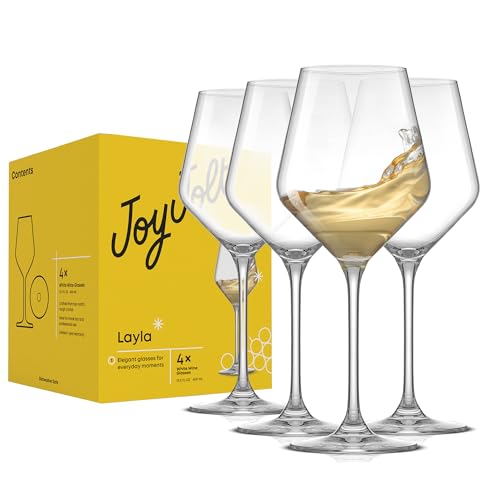


As an Amazon Associate we earn from qualifying purchases at no extra cost to you.
At a Glance: Wine Glass Options
| Glass | Best for | Reported strengths | Limits |
|---|---|---|---|
| Riedel Vinum Cabernet/Merlot | Red wine drinkers wanting a proven shape | 12×75 names it best overall for balance of price, thinness and shape | Machine-blown versions are less delicate than hand-made luxury glass |
| Riedel Ouverture Red | Budget buyers | Palate Express calls it best value, sold as a pair | Thicker rim than premium lines |
| Zalto Denk’Art Bordeaux | Luxury red wine glass | 12×75 calls it ridiculously light | Cost and fragility; hand washing is the norm |
| Zalto Universal | One glass for all wine types | Palate Express notes many sommeliers prize it | High cost per glass |
| Schott Zwiesel Pure | Everyday use and dishwashers | 12×75 calls it the best everyday glass; Tritan crystal resists breakage | Less delicate feel than Zalto |
| Libbey Signature Kentfield Estate All-Purpose | Budget multi-use glass | Described by reviewers as similar in quality to Schott Zwiesel but more minimalist | Source reviews are older |
How Glass Shape Affects Wine
The glass is a delivery system for aroma. A wide bowl lets a wine breathe and gives more surface area for aromas to gather, while a narrower opening concentrates them toward the nose. Red glasses are generally larger and rounder, white wine glasses are smaller and narrower to preserve cooler temperatures and highlight freshness, and sparkling glasses are tall or tulip-shaped to hold bubbles. Many makers publish shape-specific lines, and Riedel in particular built its range on that idea. Whether differences are dramatic is debated, but reviewers who compare glasses side by side often report a noticeable difference between a thin, well-shaped glass and a thick, small-bowled one.
Rather than buying one glass per grape, most households do well with two sets: a larger stem for reds and full-bodied whites, and a smaller one for crisp whites and rose. Or choose a single universal stem and accept a small compromise.
Thin Crystal vs Durable Tritan
Traditional lead-free crystal can be spun very thin, which makes a glass feel light and the rim almost disappear. The cost is fragility. Schott Zwiesel uses a titanium-reinforced Tritan crystal in its Pure line, which Palate Express and a sommelier quoted by Forbes describe as more resistant to chips and breakage than standard crystal. That is the reason it appears again and again as the pick for everyday glassware and dishwasher use.
Zalto is at the other end. Reviewers describe it as extremely light and elegant, but also expensive and easy to break. 12×75’s advice to buy two and guard them reflects that. If you entertain often or have young children or large dinner parties, the economics favor a sturdier glass.
Reviewer Notes by Brand
Riedel
Riedel is the all-rounder in most roundups. The Vinum line is machine-made and mid-priced, with specific shapes for Cabernet/Merlot, Pinot Noir, Chardonnay and others. 12×75 names the Vinum Cabernet/Merlot its best red wine glass overall. The Ouverture line is simpler and cheaper, which Palate Express recommends as a value pair. Riedel also makes more expensive hand-made lines such as Superleggero for buyers who want the thin-rim effect.
Zalto
Zalto’s Denk’Art glasses are mouth-blown, very thin and angular in shape. 12×75 names the Bordeaux style as its luxury pick, and Palate Express lists the Universal at a high price per glass. They are best for people who drink wine seriously, hand wash and accept the risk of loss.
Schott Zwiesel
The Pure line is the popular option for people who want a clean design that survives the dishwasher. Wine Affection reports that Bon Appetit’s 2026 comparison selected a Schott Zwiesel all-purpose glass as its best budget universal pick. Sets of six are reported at a moderate price tier.
Libbey
Libbey Signature Kentfield Estate is the budget universal pick in several lists. One source for this recommendation is older, so check that the line remains available. A Substack reviewer finds it affordable and classic in look and similar in quality to Schott Zwiesel but simpler in design.
Stemmed or Stemless?
Stemmed glasses keep your hand away from the bowl, so the wine stays at its serving temperature and the bowl stays free of fingerprints. Stemless glasses are easier to store, less likely to tip and more forgiving in a crowded dishwasher, but they warm faster and show smudges. For casual dinners and outdoor use, stemless is practical. For tasting wine seriously, reviewers favor stems.
Size, Capacity and Fit
- Bowl capacity: a red wine glass often holds 20 ounces or more, but you pour only a third. Check the maker’s stated capacity, since a larger bowl does not mean a larger pour.
- Height: tall stems may not fit under cabinet shelves or in some dishwasher top racks. Measure shelf clearance.
- Storage: hang glasses by the bowl in a rack or store upright. Storing upside down on a shelf liner can trap odors from wood.
- Dishwasher: many makers label their lines dishwasher safe, but hand washing extends life for thin crystal. Follow the care guide for the specific line.
- Rim: a thin cut rim feels more refined; a rolled rim is sturdier but heavier on the lip.
Care and Cleaning
Wash with warm water and a small amount of mild, unscented detergent, rinse well and dry with a lint-free microfiber cloth. Hold the bowl rather than twisting the stem against the base, which is where many break. Avoid putting a cold glass into very hot water, since sudden changes can crack thin glass. If the dishwasher is used, space glasses so they do not touch, skip heavy rinse aids and use a gentle cycle. Cloudiness that does not wipe off may be etching from hard water or harsh detergent, which is permanent.
Budget Tiers
| Tier | What you get | Examples from reviews |
|---|---|---|
| Budget | Machine-made, thicker rims, solid shapes | Libbey Kentfield Estate, Riedel Ouverture |
| Mid-range | Thinner, better shaped, often dishwasher safe | Schott Zwiesel Pure, Riedel Vinum |
| Premium | Mouth-blown or very thin, collector feel | Zalto Denk’Art, Riedel hand-made lines |
Pick X If… Decision Table
| Pick | If you |
|---|---|
| Riedel Vinum Cabernet/Merlot | drink mostly red and want a balanced mid-range upgrade |
| Riedel Ouverture | want a first step above basic glasses at a low cost |
| Schott Zwiesel Pure | use a dishwasher and need durability for a busy home |
| Zalto Universal or Denk’Art | treat wine as a hobby and will hand wash carefully |
| Libbey Kentfield Estate | need a multipurpose glass for a large number of guests |
| Stemless tumblers | want casual, space-saving storage |
Alternatives to Consider
- Other universal stems from established makers: Spiegelau, Stolzle and Eisch all make well-regarded thin machine-made glasses. Compare capacity and rim thickness before buying.
- Decanter plus plain glasses: aerating a young red in a decanter can matter as much as stemware shape.
- Vintage or secondhand crystal: may be thin and beautiful but can contain lead, so avoid regular long-term storage of wine in it and treat it as occasional.
Matching Glasses to Your Habits
A household that drinks wine a few times a week and washes everything in the dishwasher is best served by a sturdy mid-range set. Someone who opens a special bottle monthly may enjoy a pair of premium glasses used only for that occasion. Hosts with large gatherings need quantity and durability, which is why reviewers keep pointing to Tritan crystal and budget universal stems.
Gifting Notes
Glasses make a dependable gift, and the safest choice is a boxed set of a mid-priced universal glass such as a Riedel or Schott Zwiesel line, which suits most wines and most dishwashers. For a wine enthusiast, a pair of premium glasses with a note about hand washing is more personal. Avoid very specialized shapes unless you know what the recipient drinks.
Frequently Asked Questions
Do expensive wine glasses really improve taste?
Shape and thinness influence aroma delivery and how the wine feels on the lip, so many tasters notice a difference. The effect varies by person and by wine. A mid-priced thin glass often gives most of the improvement.
Should I buy red and white glasses separately?
You do not need to. A universal glass works for most wines. Separate shapes are a refinement for people who drink one style often and want to emphasize its aromas.
Are lead-free crystal glasses safe?
Modern lines such as Tritan crystal are marketed as lead-free, and makers state this on the product pages. Older crystal may contain lead, so avoid long storage of wine or spirits in it and follow health guidance if you have concerns.
Can wine glasses go in the dishwasher?
Many sturdy lines can, and Schott Zwiesel Pure is the one reviewers cite most often. Thin hand-blown glasses are better washed by hand. The maker’s care instructions are the final word.
How many glasses should I buy?
Sets of four or six are typical. Buy a few more than the number of regular guests, since breakage is common, particularly with thin glass. Many buyers choose a sturdy everyday set and a small premium set for special dinners.
How do I prevent cloudy glasses?
Use soft water or a rinse with white vinegar and water for mineral buildup, then dry immediately with microfiber. If the cloudiness is etching from the dishwasher, it cannot be removed, so switch to hand washing or a gentler detergent.






Write Your Review
No reviews yet. Be the first to share your experience!