

Key takeaways
- 8 to 10 oz: small cups for espresso drinks, cappuccino and tea.
- 12 to 14 oz: the standard for drip coffee and the range of the YETI and Le Creuset models named above.
- 16 oz and up: large mugs and travel tumblers. The Fellow Carter 16 oz is described as an all-rounder, but check that it fits your car’s cup holder.
For a mug that keeps coffee hot through a long morning, the YETI Rambler 14 oz is the most frequently named insulated choice; for taste and a leak-resistant lid on the commute, the Fellow Carter is the one reviewers praise; and for a traditional ceramic feel at a desk or kitchen table, the Le Creuset Stoneware mug is the usual pick. This guide compares those three styles, explains how material, size and lid design change daily use, and covers care and safety notes.
Our top picks


As an Amazon Associate we earn from qualifying purchases at no extra cost to you.
At a Glance: Coffee Mug Options
| Mug | Type | Best for | Reviewer notes | Limits |
|---|---|---|---|---|
| YETI Rambler 14 oz Mug | Insulated stainless, ceramic-lined per reviewer | Durable desk or camp mug | Top pick on several lists for insulation and toughness | MagSlider lid is not leakproof, so it suits a desk, not a bag |
| Fellow Carter Everywhere / Travel Mug | Vacuum-insulated with ceramic-coated interior | Commuting and flavor | Named best for coffee taste; the 16 oz is called a best all-rounder with a leakproof slide lid | Lid has more parts to clean |
| Le Creuset Stoneware Vancouver 14 oz | Glazed stoneware | Home and office, traditional feel | Thick walls hold heat longer than thin ceramic, per Talk of the House | Cannot match insulated steel for heat retention; can chip |
| Basic 12 oz ceramic mug | Thin ceramic | Low-cost everyday use | Used as the baseline in comparisons | Loses heat faster |
Specifications such as heat-retention hours are quoted by reviewers or makers and depend on room temperature, pre-warming and how full the mug is. Treat them as guides, not guarantees.
Choosing the Material
Ceramic and stoneware
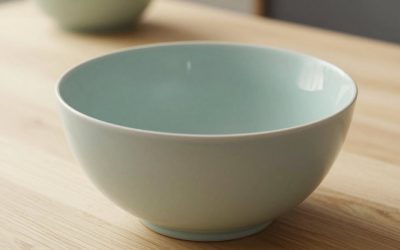
Ceramic gives the most traditional drinking experience. It does not add any taste, feels warm in the hand and is easy to find in any shape. The trade-offs are heat retention and breakage. A thin mug cools quickly, and a chipped rim is unpleasant to drink from. Stoneware, such as the Le Creuset Vancouver, is thicker and denser. Talk of the House reports that in a side-by-side comparison with a basic 12 oz mug, the Le Creuset kept drinks warm about 20 percent longer. Weekend Kitchen notes the interior is easy to clean after tea and milky drinks.
Insulated stainless steel
Double-wall vacuum construction slows heat transfer in both directions. The outside stays comfortable to touch and the contents stay hot for hours. Many makers add a ceramic coating or lining on the inside to reduce the metallic taste that bare steel can carry. The Fellow Carter and YETI both fall into this group. The downside is that stainless mugs are heavier, can dent if dropped, and are not usually microwave safe. Always follow the maker’s guidance on dishwashers and microwaves.
Glass and double-wall glass
Glass shows off layered drinks and carries no flavor, but breakage is a concern and single-wall glass becomes hot to hold. Double-wall borosilicate keeps your hand cooler. These suit lattes and tea more than a rugged commuter use.
Enamel and plastic travel options
Enamelware is light and tough for camping but heats up on the outside. Plastic travel mugs are inexpensive but can retain odors and are not recommended for very hot liquids unless the maker states they are rated for that use.
Size and Shape
- 8 to 10 oz: small cups for espresso drinks, cappuccino and tea.
- 12 to 14 oz: the standard for drip coffee and the range of the YETI and Le Creuset models named above.
- 16 oz and up: large mugs and travel tumblers. The Fellow Carter 16 oz is described as an all-rounder, but check that it fits your car’s cup holder.
Shape matters too. A wide opening cools coffee faster and is easier to clean, while a narrow mouth keeps heat in. A handle makes the YETI and Le Creuset easier to hold when full. A tapered base fits cup holders better. Look at the base diameter in the maker’s specification if you plan to use it in a vehicle.
Lid Design and Leak Resistance
A lid changes how a mug works. A sliding lid such as YETI’s MagSlider keeps heat in and splashes out at a desk, but reviewers report that it is not leakproof, so it should stay upright. A fully sealing screw or push lid, as on the Fellow Carter, is better for bags. Check the number of parts, because lids with gaskets need to be disassembled and cleaned or they can hold coffee residue. If you want a mug for a hot-sipping experience, some drinkers prefer an open top that lets aroma reach the nose.
Reviewer Notes in More Detail
YETI Rambler
Weekend Kitchen picked the YETI as its top mug for the combination of insulation and durability, and One Hundred Coffee calls the 14 oz a rugged everyday insulated mug with a handle. The reported weak point is the lid: since the MagSlider is not leakproof, it works better as a desk cup. Makers usually state dishwasher-safe status, so confirm the model you buy.
Fellow Carter
One Hundred Coffee names the Carter best for coffee taste, noting its ceramic-coated interior. Coffee Nerds UK calls the 16 oz the best all-rounder and reports a leakproof slide lid and heat retention of about six hours. That figure is a reviewer claim and will vary with conditions.
Le Creuset Stoneware
Choose this when you want a classic mug. It is heavy compared with thin ceramic, which is part of why it holds heat. It comes in many colors, and stoneware glazes are typically designed to resist staining. Stoneware can chip if knocked against a faucet, so rinse gently.
Safety, Care and Materials
- Microwave: ceramic and stoneware are often microwave safe, but check the maker’s label. Metal and metal-lined mugs must never go in a microwave.
- Dishwasher: most stoneware is dishwasher safe. Insulated steel mugs vary; hand washing can protect the exterior finish and the lid seals.
- Glazes and coatings: reputable makers state that their products meet food-contact standards. If you buy handmade or decorative mugs, confirm with the seller that the glaze is food safe, particularly for acidic drinks.
- Hot liquids: carry hot drinks carefully, especially with a lid that is not leakproof. Do not fill past the maker’s line.
- Stains: baking soda and warm water usually lift coffee stains from ceramic. Avoid abrasive scrubbers on coated interiors.
- Cracks and chips: retire mugs with cracks or a chipped rim, since they can harbor bacteria and cut lips.
Budget Tiers
| Tier | What you get | Examples |
|---|---|---|
| Budget | Standard ceramic, simple shapes | Plain 12 oz ceramic mugs |
| Mid-range | Thick stoneware or basic insulated models | Le Creuset Stoneware, basic stainless mugs |
| Premium | Heavy-duty insulation, coated interiors, better lids | YETI Rambler, Fellow Carter |
Pick X If… Decision Table
| Pick | If you |
|---|---|
| YETI Rambler 14 oz | want a rugged insulated mug for a desk, worksite or camp |
| Fellow Carter | commute and care about flavor and a sealed lid |
| Le Creuset Stoneware | prefer a classic ceramic feel and drink at home |
| Basic ceramic mug | need many inexpensive mugs for a household |
| Double-wall glass | enjoy lattes and want to see the layers |
Alternatives to Consider
- Pour-over or drip carafe with a thermal lid: for sharing a pot at the table.
- Insulated tumblers from other makers: Stanley, Zojirushi, Contigo and Hydro Flask all produce well-known insulated drinkware. Compare lid design and base size.
- Handmade pottery mugs: unique and tactile, but confirm that the glaze is food safe and that the mug is microwave and dishwasher compatible.
Matching the Mug to Your Routine
Desk workers who let coffee sit for an hour benefit from insulation, which makes a YETI-style mug appealing. Commuters need a sealed lid, so a Fellow Carter or another leakproof travel mug is the practical choice. At-home drinkers who finish a cup in twenty minutes usually need nothing more than a well-made stoneware mug, where handle comfort and weight matter more than insulation. Tea drinkers may prefer a mug with a wider mouth, and latte fans may want a larger capacity to leave room for milk.
Frequently Asked Questions
Do insulated mugs change the taste of coffee?
Bare stainless steel can add a faint metallic note for some drinkers, which is why many makers use a ceramic coating inside. Reviewers credit the Fellow Carter for good flavor. Wash thoroughly, because old oils in any mug can affect taste.
Is a heavier mug better?
Weight is a rough proxy for wall thickness. Thicker stoneware retains heat longer than thin ceramic, but extra weight is tiring if you carry it often. Choose based on how you use it.
Can I put an insulated mug in the dishwasher?
Some can, but the maker’s instructions decide. High heat can affect lid seals and some exterior finishes. Hand washing is the safer default.
How do I keep coffee hot longer?
Pre-warm the mug with hot water, fill it close to the top, keep the lid closed and choose an insulated model if hours of heat matter. Ceramic works for the first 20 to 30 minutes.
What size mug is best?
Twelve to fourteen ounces suits most drip coffee drinkers. Smaller mugs match espresso and tea, and sixteen ounces or more is better for travel or when you want a refill-free morning.
Are old or colorful mugs safe?
Some vintage or decorative ceramics used glazes that may contain lead or cadmium. If you are unsure, use them for display rather than hot or acidic drinks. Contact a local health authority or the maker for guidance if concerned.





Write Your Review
No reviews yet. Be the first to share your experience!