

Key takeaways
- Butter or cream: Choose Sauvignon Blanc, unoaked Chardonnay, or dry Riesling. High acidity prevents the sauce from tasting heavy.
- Tomato-based sauces: Use a crisp Sauvignon Blanc, Pinot Grigio, or dry Vermentino. Avoid strongly aromatic wines that compete with tomato and garlic.
- Seafood broths: Albariño, Muscadet, Pinot Grigio, and dry Chenin Blanc add freshness without excessive oak.
- Mushroom sauces: Unoaked Chardonnay, dry Chenin Blanc, or a lightly oaked Chardonnay can provide enough body for earthy ingredients.
- Pan sauces for chicken: Sauvignon Blanc gives a sharp, lemony result; Chardonnay creates a rounder, softer sauce.
- Sweet vegetables: Dry Riesling or Vermentino provides contrast, especially with roasted squash, fennel, corn, or caramelized onions.
The best dry white wines for cooking are affordable, unoaked Sauvignon Blanc, Pinot Grigio, Albariño, dry Riesling, or unoaked Chardonnay, chosen according to the sauce, protein, and acidity you want to bring to the dish.
Our top picks



As an Amazon Associate we earn from qualifying purchases at no extra cost to you. Ratings are shown as listed on Amazon.
Quick picks by cooking situation
| Cooking need | Best wine style | Flavor and acidity | Typical affordable range |
|---|---|---|---|
| All-purpose pan sauces | Unoaked Sauvignon Blanc | Bright, herbal, high acidity | $8–$15 per 750 mL |
| Fish, shrimp, and light seafood | Pinot Grigio or Albariño | Crisp, citrusy, clean finish | $8–$18 per 750 mL |
| Cream sauces and poultry | Unoaked Chardonnay | Medium-bodied, apple-like, moderate acidity | $9–$16 per 750 mL |
| Sweet vegetables or spicy dishes | Dry Riesling | Very high acidity, aromatic, sometimes slightly fruity | $10–$18 per 750 mL |
| Rich seafood, pork, and mushroom dishes | Vermentino or dry Chenin Blanc | Textured, mineral, medium to high acidity | $10–$20 per 750 mL |
| Long braises or recipes needing only a splash | Small-format dry white wine | Freshness without an open bottle to store | $4–$8 per 375 mL |
What makes a white wine good for cooking?
Look for a wine that is dry, fresh, and pleasant enough to drink. “Dry” means it contains little residual sugar; it does not mean the wine lacks flavor. Acidity matters more than prestige because wine is often used to deglaze a pan, loosen browned bits, balance butter or cream, and add lift to seafood and poultry.
A wine with roughly 5.5–7.5 g/L of acidity will usually provide useful brightness, although labels do not always list the number. Wines from cool climates, including many Sauvignon Blanc, Riesling, Albariño, and Muscadet bottlings, tend to taste more acidic. An unoaked wine is generally safer than a heavily oaked one because oak can become bitter or woody when reduced.
Alcohol also concentrates as liquid reduces. A standard 750 mL bottle at 12% alcohol contains about 90 mL of alcohol before cooking. Most recipes use only 60–120 mL, and simmering removes some but not necessarily all of it. If alcohol avoidance is important, use a suitable nonalcoholic substitute and follow the recipe’s intended reduction method.
The best dry white wine styles, compared
Unoaked Sauvignon Blanc: the most versatile choice
Sauvignon Blanc is a strong default for pan sauces, chicken piccata-style dishes, steamed mussels, vegetables, and risotto. Its acidity cuts through butter and cream, while citrus, herb, and mineral notes complement parsley, tarragon, lemon, asparagus, and green beans.
Choose a straightforward, unoaked bottle rather than an expensive reserve wine. New Zealand Sauvignon Blanc can be intensely aromatic, while French Sauvignon Blanc from the Loire Valley is often leaner and more mineral. Either can work, but very grassy examples may dominate delicate dishes.
Pinot Grigio: clean and restrained
Pinot Grigio is useful when you want acidity without a strongly distinctive flavor. It suits shrimp, clams, white fish, chicken cutlets, light soups, and simple pasta sauces. Italian Pinot Grigio is commonly crisp and neutral, making it practical for recipes where the other ingredients should remain prominent.
Avoid inexpensive Pinot Grigio that tastes flat, sweet, or noticeably oxidized. A dull wine will not become more expressive in the pan; reduction can make its flaws more concentrated.
Albariño: bright enough for seafood
Albariño brings citrus, green apple, and saline or mineral character to shellfish, fish stews, and seafood pasta. Its firm acidity is particularly useful with mussels, scallops, and creamy seafood sauces. It is often more aromatic than Pinot Grigio but less aggressively herbal than some Sauvignon Blanc.
Unoaked Chardonnay: the choice for creamy poultry dishes
Unoaked Chardonnay works well with chicken, turkey, pork, mushrooms, cream sauces, and butter-based preparations. It usually has a rounder texture and softer fruit than Sauvignon Blanc while retaining enough acidity for cooking.
Check the description or back label for “unoaked,” “stainless steel,” or “unoaked fermentation.” Heavily oaked Chardonnay can add vanilla, toast, and tannin-like bitterness to a reduced sauce. Lightly oaked Chardonnay may still work with roasted poultry or mushrooms, but it is less adaptable for delicate seafood.
Dry Riesling: the high-acid option
Dry Riesling is excellent when a recipe needs aromatic lift and sharp acidity. Use it with pork, chicken, spicy food, cabbage, apples, carrots, squash, and dishes containing ginger or chile. Its floral and citrus notes can make a simple braising liquid more interesting.
Read the label carefully because Riesling may range from bone-dry to sweet. Terms such as “dry” or “trocken” are helpful, though sweetness levels vary by region. A slightly off-dry Riesling can work with spicy food, but it may make a savory reduction sweeter than intended.
Match the wine to the sauce
- Butter or cream: Choose Sauvignon Blanc, unoaked Chardonnay, or dry Riesling. High acidity prevents the sauce from tasting heavy.
- Tomato-based sauces: Use a crisp Sauvignon Blanc, Pinot Grigio, or dry Vermentino. Avoid strongly aromatic wines that compete with tomato and garlic.
- Seafood broths: Albariño, Muscadet, Pinot Grigio, and dry Chenin Blanc add freshness without excessive oak.
- Mushroom sauces: Unoaked Chardonnay, dry Chenin Blanc, or a lightly oaked Chardonnay can provide enough body for earthy ingredients.
- Pan sauces for chicken: Sauvignon Blanc gives a sharp, lemony result; Chardonnay creates a rounder, softer sauce.
- Sweet vegetables: Dry Riesling or Vermentino provides contrast, especially with roasted squash, fennel, corn, or caramelized onions.
How much wine should you buy?
For most recipes, 60–120 mL—about ¼ to ½ cup—is enough. A 750 mL bottle therefore provides approximately six to twelve recipe portions:
750 mL ÷ 120 mL = 6.25 uses, while 750 mL ÷ 60 mL = 12.5 uses.
If a $12 bottle supplies eight average cooking portions, the wine costs about $1.50 per use. A 375 mL bottle costing $6 may provide three 120 mL portions, or about $2 per use. The smaller bottle costs more per milliliter but can be cheaper overall if you cook with wine only occasionally and would otherwise discard the remainder.
Buying by budget and storage needs
For frequent cooks
Buy a $9–$15 bottle of unoaked Sauvignon Blanc, Pinot Grigio, or Chardonnay. Choose the style you use most often and keep the bottle refrigerated after opening. A resealable screw cap is convenient because it reduces fuss and makes measured cooking portions easier to pour.
For occasional cooks
Choose a 375 mL bottle, a boxed wine with an airtight tap, or a wine sold in small cans. Once opened, refrigerate the wine and use it within about 3–5 days for the freshest flavor. Cooking can tolerate slight loss of freshness, but heavily oxidized wine can give a flat, bruised-apple character to a sauce.
For recipes that need only a splash
Freeze leftover wine in tablespoon-sized portions, then transfer the frozen pieces to a labeled freezer container. One tablespoon equals approximately 15 mL, so a 120 mL recipe portion requires eight tablespoons. Frozen wine is best used in cooked preparations rather than drinking, since freezing changes its texture and aroma.
Common mistakes to avoid
- Using sweet wine by accident: Check the label, particularly with Riesling, Moscato, and some inexpensive white blends.
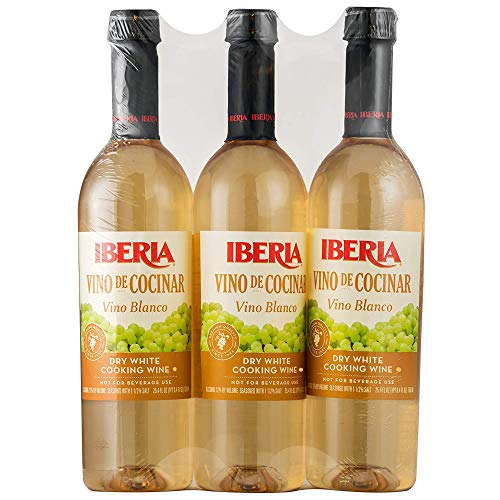
- Choosing cooking wine: Products labeled “cooking wine” may contain added salt and preservatives. Regular dry table wine gives you control over seasoning.
- Adding wine too late: Add it after sautéing and deglaze the pan, then simmer until the harsh alcoholic smell softens before adding cream or stock.
- Reducing too far: Acidity, salt, and bitterness intensify as liquid evaporates. Taste after reduction before adding lemon juice or more salt.
- Using a flawed bottle: Vinegar-like aromas, mustiness, or strong oxidation will not disappear completely through cooking.
- Pairing oak with delicate food: Vanilla and toast can overwhelm cod, shrimp, or a simple vegetable sauce.
Bottom line
For one bottle that handles the widest range of recipes, choose an affordable unoaked Sauvignon Blanc. Select Pinot Grigio for neutral seafood sauces, Albariño for briny shellfish, unoaked Chardonnay for creamy poultry and mushroom dishes, and dry Riesling when you want the highest acidity or an aromatic match for spicy and sweet-savory food. Buy a 375 mL format or freeze measured leftovers if you cook with wine infrequently, and avoid any bottle you would not be comfortable tasting before it goes into the pan.



Write Your Review
No reviews yet. Be the first to share your experience!