

Key takeaways
- 3 oz (90 ml) dry white wine or rosé
- 3 oz (90 ml) sparkling water
- ½ oz (15 ml) fresh lemon juice
- Ice and a lemon slice
The best cocktail for someone who doesn’t like strong drinks is a wine-based spritz: it stays light when poured over plenty of ice, balanced with citrus, and topped with sparkling water. For an even gentler option, choose a shandy made with beer and lemonade—or make any recipe below with a lower-alcohol base and measure the pour rather than relying on taste.
“Strong” can mean a high alcohol percentage, a drink that tastes boozy, or both. These recipes aim to keep the alcohol portion modest while using acidity, bubbles, and dilution to make each sip refreshing instead of syrupy. They aren’t alcohol-free: the actual alcohol in a serving depends on the ingredients and pour.
Our top picks

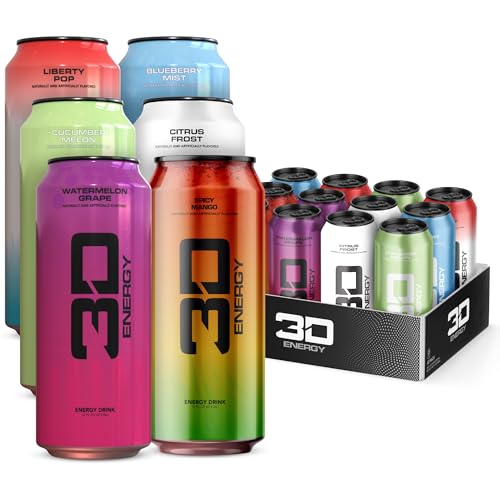


As an Amazon Associate we earn from qualifying purchases at no extra cost to you. Ratings are shown as listed on Amazon.
Choose by the kind of drink you enjoy
| Situation | Good starting pick | Measured alcoholic base | Why it works |
|---|---|---|---|
| You like wine and crisp bubbles | Wine spritz | 3 oz (90 ml) wine | Sparkling water lengthens the drink without adding more alcohol. |
| You like tart, citrusy flavors | Low-proof citrus cooler | 1 oz (30 ml) aperitif | Citrus supplies brightness, while soda water keeps sweetness in check. |
| You prefer beer or lemonade | Shandy | 4 oz (120 ml) beer | Lemonade softens beer’s bitterness; a larger nonalcoholic portion makes it gentler. |
| You want a familiar spirit-based flavor | Long, light highball | ¾ oz (22 ml) spirit | A small measured pour, lots of ice, and plenty of mixer dilute each sip. |
These are starting proportions, not guarantees of how a drink will affect you. Alcohol content varies by product, and a large glass can hide a larger-than-intended serving.
Three approachable recipes
1. Light wine spritz
- 3 oz (90 ml) dry white wine or rosé
- 3 oz (90 ml) sparkling water
- ½ oz (15 ml) fresh lemon juice
- Ice and a lemon slice
Fill a wineglass with ice. Add the wine and lemon juice, top with sparkling water, and stir once or twice. Start with the equal-parts wine-and-soda ratio; if it still tastes too wine-forward, add more soda rather than extra juice or sweetener. A crisp, dry wine keeps the drink from turning cloying.
Substitution: Use chilled, unsweetened dealcoholized wine for a lower-alcohol version. Check the bottle label: dealcoholized products can still contain some alcohol.
2. Citrus aperitif cooler
- 1 oz (30 ml) bitter or citrus aperitif
- ½ oz (15 ml) fresh lime juice
- 4 oz (120 ml) sparkling water
- ¼ oz (7 ml) simple syrup, optional
- Ice and a lime wheel
Pour the aperitif and lime juice over ice, add sparkling water, and taste before adding syrup. Aperitifs vary in sweetness and bitterness, so that small taste is useful: add syrup a little at a time only if the drink is too sharp. For a less bitter result, replace half the lime juice with orange juice.
Substitution: Use a nonalcoholic bitter aperitif-style drink, or combine orange juice, lime, and soda for a no-alcohol citrus cooler.
3. Easy shandy
- 4 oz (120 ml) light lager or wheat beer
- 4 oz (120 ml) lemonade
- 1 oz (30 ml) sparkling water, optional
- Ice and a lemon wedge
Pour the lemonade into a glass, add the beer slowly, then add sparkling water if you want a drier, more diluted finish. Beer and lemonade both vary in sweetness, so choose a less-sweet lemonade if available. A 1:1 ratio is an easy baseline; use more lemonade or soda to make the beer flavor milder, knowing the drink’s total alcohol will depend on the beer.
Substitution: Swap in nonalcoholic beer for a version with little or no alcohol, depending on the product label.
Make a drink taste lighter without making it sugary
- Measure the alcoholic ingredient. A jigger or small measuring cup makes the recipe repeatable. Free-pouring can turn a light drink into a stronger one quickly.
- Use a tall glass and fresh ice. More mixer and a well-filled glass stretch the drink. Ice also melts into it, gradually diluting the flavor and alcohol concentration.
- Adjust one thing at a time. If it tastes too strong, add soda or juice. If it tastes too sweet, add citrus or sparkling water—not another sweet mixer.
- Choose lower-alcohol ingredients thoughtfully. Wine, beer, and aperitifs can differ substantially in alcohol content. Check the label, and remember that replacing a spirit with a different ingredient does not make a drink alcohol-free.
- Keep sweetness modest. A small amount of syrup can round off sharp citrus, but adding several sweet mixers may make the drink easy to sip without reducing the alcohol in it.
A quick dilution calculation
Suppose a recipe uses 3 oz of wine at 12% alcohol by volume (ABV), plus 3 oz of sparkling water and ½ oz of lemon juice. The wine contributes about 0.36 fluid ounces of pure alcohol: 3 × 0.12 = 0.36. Before the ice melts, the 6½ oz drink is approximately 5.5% ABV: 0.36 ÷ 6.5 ≈ 0.055. That estimate assumes the stated wine strength and measured volumes; it changes with the bottle, added mixer, and meltwater. Dilution lowers concentration, but it doesn’t remove the alcohol already in the glass.
How to pick your first one
For a dry, sparkling flavor, start with the wine spritz. For tart citrus with a touch of bitterness, choose the aperitif cooler and omit the syrup at first. If you like lemonade, a shandy is familiar and simple to adjust. If none sounds appealing, try a spirit-free citrus-and-soda drink rather than adding more alcohol to chase a flavor you enjoy.
If you’re avoiding alcohol entirely, choose ingredients labeled nonalcoholic and check their stated alcohol content; “low-proof” and “lighter tasting” do not mean alcohol-free. Follow local age laws, avoid alcohol when driving or when it conflicts with medication or personal guidance, and ask a qualified professional if you have questions about alcohol and your health.

Write Your Review
No reviews yet. Be the first to share your experience!