

Key takeaways
- The best marble wine chiller for tabletop use is a thick, 5-inch-wide natural-marble sleeve with a 7-inch interior height, a non-slip base, and enough clearance for the bottle you actually serve—not simply the heaviest or most decorative model. Marble chillers…
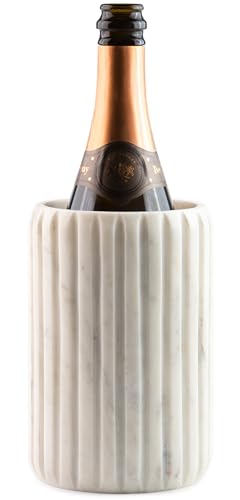
The best marble wine chiller for tabletop use is a thick, 5-inch-wide natural-marble sleeve with a 7-inch interior height, a non-slip base, and enough clearance for the bottle you actually serve—not simply the heaviest or most decorative model.
Marble chillers work by absorbing heat from a cold bottle and slowing warming at the table. They are not refrigerators: pre-chilling the wine remains essential. The buying decision comes down to five practical questions—will the bottle fit, how long will it stay suitably cool, how much marble protects it, where will condensation go, and how much table space can it occupy?
Our top picks



As an Amazon Associate we earn from qualifying purchases at no extra cost to you. Ratings are shown as listed on Amazon.
Quick picks by dining situation
| Situation | Best choice | Specifications to target | Why it suits the situation |
|---|---|---|---|
| Small dining table | Compact marble sleeve | 4.5–5 inches wide; 6.5–7 inches tall; 5–7 lb | Uses less place-setting space while fitting standard 750 ml bottles |
| Frequent dinner parties | Heavy, thick-walled cooler | 0.75–1.25-inch walls; 7–10 lb; felt or silicone base | Retains cold longer and is less likely to slide or tip |
| Mixed wine service | Wide-mouth universal chiller | 5.25–6 inches internal diameter; at least 8 inches internal height | Accommodates sparkling, Burgundy-shaped, and larger white-wine bottles |
| Occasional entertaining | Single-bottle marble holder | 0.5–0.75-inch walls; 4–6 lb; removable base pad | Lower cost and easier to store than oversized solid-stone designs |
| Warm or humid room | Sealed marble with drip protection | Polished interior; sealed exterior; silicone ring or tray | Reduces staining, damp rings, and cleanup around the centerpiece |
What to compare before buying
1. Bottle compatibility is more than “fits a wine bottle”
A standard Bordeaux-style 750 ml bottle is approximately 3 inches in diameter and 12 inches tall, but the portion inside a tabletop chiller is usually only the lower 6–8 inches. A narrow chiller with a 3.25–3.5-inch internal diameter will generally suit Bordeaux and many Italian and Spanish bottles.
Compatibility becomes less predictable with sparkling wine, Burgundy-shaped bottles, and large-format bottles. A Champagne bottle is often wider at the shoulder, while Pinot Noir and Chardonnay bottles can have a fuller, sloping profile. For mixed entertaining, look for an internal diameter of at least 5 inches and an internal height of 7.5–8 inches. That extra width is more useful than a tall exterior that still has a narrow opening.
Most marble tabletop chillers are intended for one 750 ml bottle. A 1.5-liter magnum normally requires a purpose-built oversized cooler, not a standard wine sleeve. Do not force a bottle into a close-fitting opening: the glass can chip against stone, and a wet bottle is difficult to remove safely.
2. Marble thickness affects cold retention and stability
Stone thickness is one of the few specifications that predicts performance. Walls around 0.5 inch provide the lighter, more affordable option, but they warm faster in a hot room and may be easier to knock over. Walls between 0.75 and 1.25 inches add thermal mass and create a more stable base.
For a dinner lasting two to three hours, a 0.75-inch wall is usually the sensible balance. Choose a thicker model for outdoor dining, warm kitchens, or repeated use during a long gathering. More marble also means more weight: a cooler can become awkward to lift when it weighs 8–10 pounds before adding the bottle.
Thickness is not the same as insulation. Marble conducts heat more slowly than metal, but it does not contain a vacuum or foam insulating layer. A thick chiller delays warming; it does not maintain refrigerator temperature indefinitely.
3. Condensation control separates useful designs from messy ones
Cold glass in warm air will normally collect water. The important question is where that water goes. A polished stone base without a recess can leave a wet circle on wood or a cloth napkin. Better designs include a silicone foot, removable drip tray, recessed base, or a broad felt pad that can be removed for drying.
Sealing helps prevent wine drips and condensation from penetrating porous marble, but it does not make the holder waterproof. Avoid leaving standing water inside after service. White marble can show yellow or gray marks from wine, cork dust, or metal contact; darker marble hides stains better but can show mineral deposits after repeated air-drying.
4. Footprint matters more than exterior height
A compact 5-inch-wide cooler occupies about 20 square inches of table area. A 6-inch-wide model occupies about 28 square inches—roughly 40 percent more—before allowing room to pour. On a small four-person table, that difference can compete with a bread plate or serving dish.
Measure the intended position with a paper circle before buying. Leave at least 2 inches of clear space around the cooler so a hand can grip the bottle and the server can pour without reaching across another guest. A lower, wider model may be safer than a narrow, tall one if the table is busy with plates and glassware.
Head-to-head: the main marble chiller types
| Type | Typical dimensions | Approximate weight | Cold-holding behavior | Best for | Main drawback |
|---|---|---|---|---|---|
| Thin marble sleeve | 4.5–5 inches wide × 6.5–7.5 inches tall | 3–5 lb | About 45–90 minutes of useful table cooling after pre-chilling | Small tables and occasional use | Less stable; limited bottle clearance |
| Thick solid-marble cooler | 5–6 inches wide × 7–8.5 inches tall | 6–10 lb | About 1.5–3 hours, depending on room temperature and bottle temperature | Long dinners and frequent entertaining | Heavy and takes more storage space |
| Marble-and-metal lined cooler | 5–6 inches wide × 7–9 inches tall | 4–8 lb | Often steadier than thin stone, but depends on the liner | People wanting easier cleaning and broad bottle fit | Less all-marble appearance; liner may scratch |
| Oversized marble bucket | 7–9 inches wide × 7–10 inches tall | 10–20 lb | Suitable for ice-assisted service or multiple bottles | Buffets, patios, and large gatherings | Consumes substantial tabletop area and is difficult to move |
How to get the best performance from marble
- Chill the wine first. Refrigerate a still white or rosé to the desired serving temperature. A room-temperature bottle will overwhelm the stone’s cooling capacity.
- Pre-cool the marble if the manufacturer permits it. Place a dry cooler in the refrigerator for roughly 30–60 minutes. Keep it dry and allow room for air circulation; do not put a stone vessel in the freezer unless its instructions specifically allow freezing.
- Dry the bottle before inserting it. Removing surface water reduces the initial condensation load and makes the holder easier to lift.
- Use a coaster or drip tray underneath. This protects wood and lacquered surfaces even when the cooler has a built-in foot.
- Refill with a second chilled bottle rather than adding loose ice. Ice can melt into porous stone, obscure the label, and create an unstable bottle position. Use an ice-compatible bucket when active chilling is required.
For a simple planning estimate, assume a thick marble cooler keeps a pre-chilled bottle acceptably cool for two hours indoors. If a gathering lasts four hours and guests drink two bottles, one cooler can still work if the second bottle remains in the refrigerator until needed. Buying a second chiller is mainly worthwhile when two bottles must be displayed and ready at the same time.
Ownership realities: what wears out first
The marble itself can last for decades, but the accessories usually do not. Felt pads compress, silicone feet loosen, and removable liners can develop scratches or odors. Check that replacement pads are available or that the base can safely rest on a separate coaster.
Clean the holder with warm water, a soft cloth, and a small amount of mild dish soap. Dry it upright with the opening uncovered. Avoid vinegar, lemon juice, bleach, abrasive powders, and acidic stone cleaners: acids can dull or etch calcium-based marble. Wipe wine promptly, especially red wine and fortified wine. Do not put a solid marble cooler in a dishwasher, and do not carry it by a loose liner or decorative rim.
Sealer is a maintenance item rather than a permanent guarantee. If water darkens the surface unevenly or spills stop beading, follow the maker’s resealing guidance. Never apply an unknown stone treatment to a food-contact area without checking that it is intended for marble.
Final buying recommendation
For most dining rooms, choose a 5-inch-wide solid marble cooler with a 7–8-inch internal height, walls close to 0.75 inch thick, a polished interior, and a silicone or felt base. That combination balances standard-bottle compatibility, roughly two hours of table service, manageable weight, and a footprint small enough for ordinary place settings.
Choose a wider 5.25–6-inch opening if sparkling or Burgundy-shaped bottles will be served. Choose a lighter sleeve if storage and budget matter more than long cold retention. If the table is outdoors, the dinner is lengthy, or condensation would damage the surface, prioritize a thick sealed model with a proper drip solution over decorative details such as carved patterns or unusual color.





Write Your Review
No reviews yet. Be the first to share your experience!